





 Finance
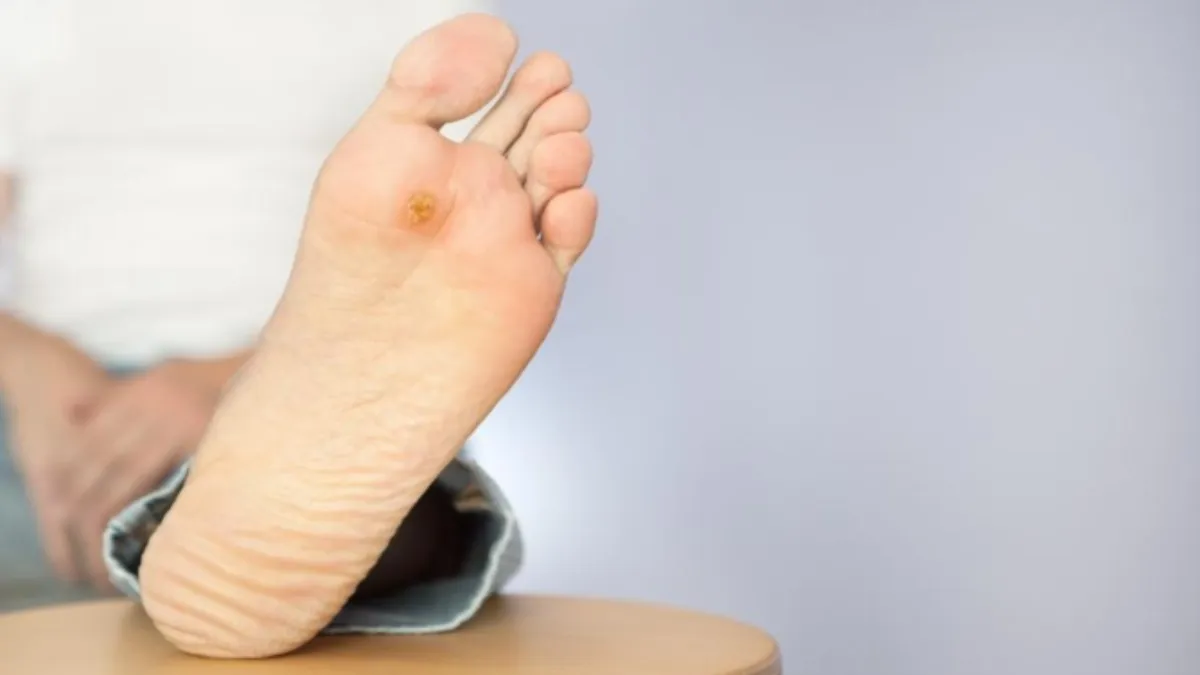
Unmanaged foot ulcers can be harmful during the monsoon season due to infection risks and slow wound healing. As a result, it is critical to be aware of these warning signals and practice good foot hygiene. Here, the expert shares some reliable ways for preventing foot ulcers during the monsoon.
Monsoon is frequently regarded nice, but it can also give you a terrible time. People with foot ulcers may find it difficult. Did you know? Foot ulcers are open sores or wounds that typically appear on the lower legs or feet. Poor circulation, diabetes, and prolonged skin pressure are all possible reasons. If left untreated during the monsoon season, these ulcers can be painful, sluggish to heal, and prone to infection. According to Doctor, the rainy season, with its high humidity and constant exposure to moisture, makes managing foot ulcers even more difficult and can raise the chances of infections.
Warning signs that worsen during the rainy season:
During the monsoon, the skin remains moist for longer periods, which can soften tissues and slow healing. So, pay attention to these signs:
- Persistent redness and swelling: Is one of the concerning signs of developing infection, especially when combined with warmth around the ulcer.
- Foul-smelling discharge: This will indicate worsening of the wound.
- Increased pain: Means there is deeper tissue involvement or spreading infection.
Dark or purplish skin will point out poor blood supply and tissue damage. It is better to take note of these signs and consult an expert without any further delay. These symptoms tend to worsen during monsoon as wet footwear, walking in puddles, and high humidity create an ideal environment for bacteria and fungi to thrive and induce further problems.
The diagnosis: Foot ulcers can be diagnosed via clinical examination, and wound swabs or blood tests may be done to check for infection. X-rays or ultrasounds might be required if bone or deep tissue involvement is suspected by the expert.
The treatment:
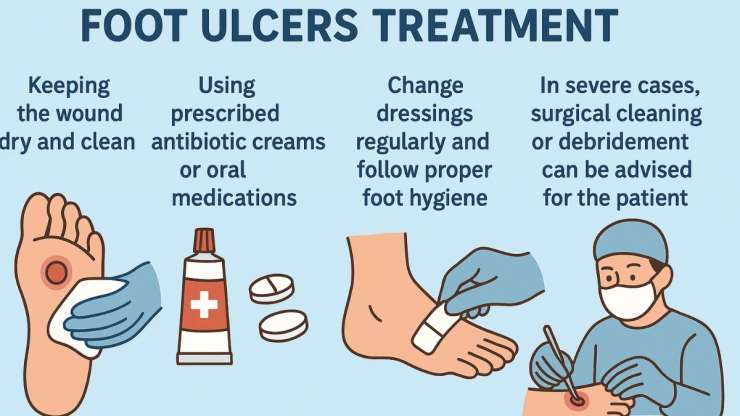
Keeping the wound dry and clean
Using prescribed antibiotic creams or oral medications
Change dressings regularly and follow proper foot hygiene
In severe cases, surgical cleaning or debridement can be advised for the patient
Prevention tips during monsoon:
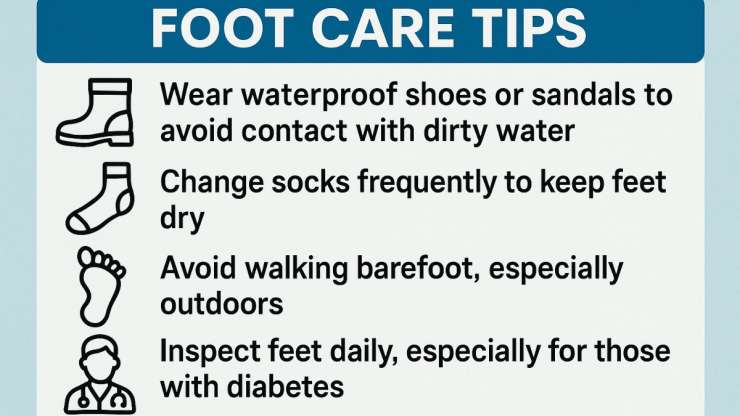
Wear waterproof shoes or sandals to avoid contact with dirty water
Change socks frequently to keep feet dry
Avoid walking barefoot, especially outdoors
Inspect feet daily, especially for those with diabetes
See a doctor regularly
The last word: Remember to prioritise foot hygiene, stay dry, and stay in touch with the doctor.
Disclaimer: (The tips and suggestions in this post are intended for general information only and should not be considered professional medical advice. Always with your doctor or a dietician before beginning any exercise program or making any dietary adjustments.)
Source: InTv