







 Finance
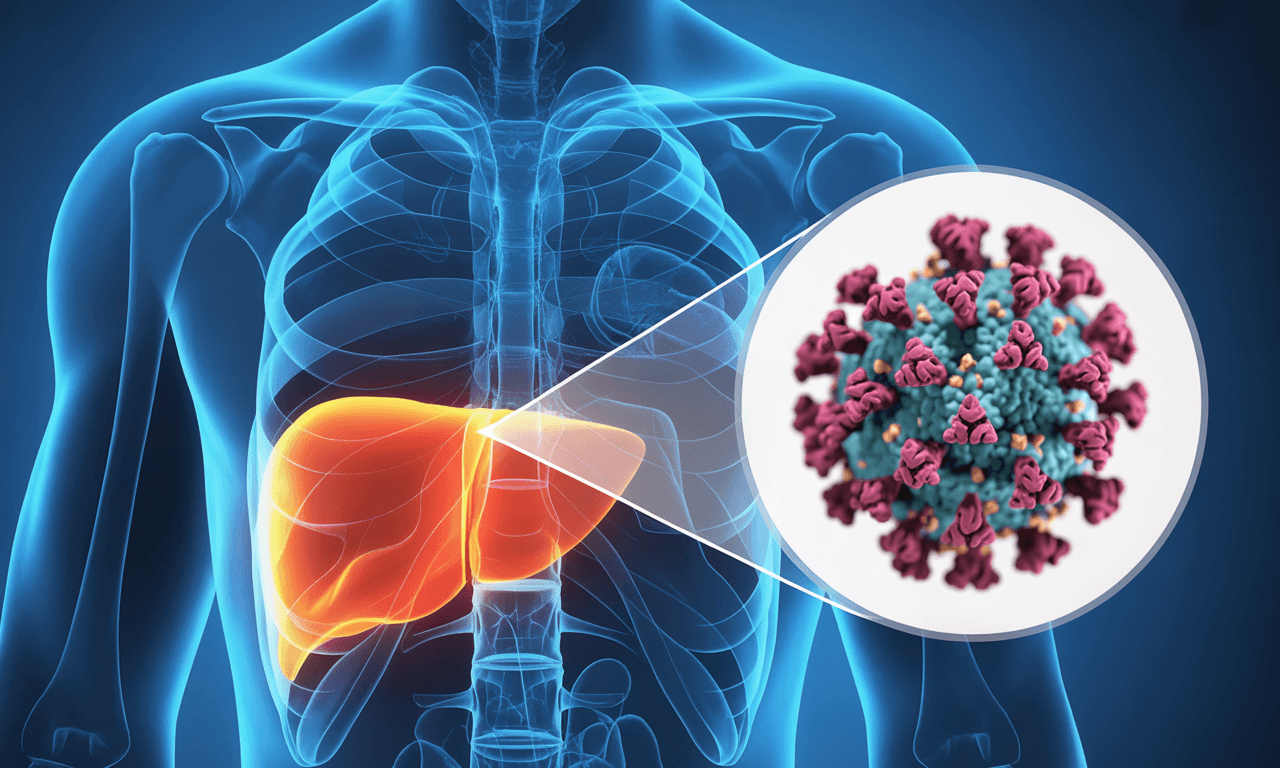
The increased rainfall has exacerbated the rise of hepatitis A incidence. Doctors further claim that not only has the number of instances increased, but so has their severity. Doctor said, “The proportion of severe cases of hepatitis A is relatively more this year compared to the last several years. Severe and fulminant hepatitis is typically associated with hepatitis E, but this year, hepatitis A cases are presenting with more severe symptoms.”
What is hepatitis A?
Hepatitis A virus causes a very contagious liver infection. This is one of numerous forms of hepatitis viruses that cause liver inflammation and impair its capacity to function.
Most people contract hepatitis A from contaminated food or water, or by coming into close contact with an infected person or object. According to the Mayo Clinic, most infected persons recover entirely and have no chronic liver impairment.
Symptoms of hepatitis A
Here are some of the symptoms of hepatitis A.
- Unusual tiredness and weakness
- Sudden nausea and vomiting and diarrhea
- Abdominal pain or discomfort, especially on the upper right side beneath your lower ribs, which is over your liver
- Clay- or gray-colored stool
- Loss of appetite
- Low-grade fever
- Dark urine
- Joint pain
- Yellowing of the skin and the whites of your eyes (jaundice)
- Intense itching.
Causes of hepatitis A
Hepatitis A is often caused by a virus that infects liver cells, causing inflammation. This inflammation can impair the liver’s function and induce additional hepatitis-A symptoms. The virus spreads when infected excrement, even in little amounts, enters another person’s mouth (fecal-oral transmission). Here are some ways the virus spreads.
- Eating food handled by someone with the virus who doesn’t thoroughly wash hands after using the toilet
- Drinking contaminated water
- Eating food washed in contaminated water
- Eating raw shellfish from water polluted with sewage
- Being in close contact with a person who has the virus — even if that person has no symptoms
- Having sexual contact with someone who has the virus.
Prevention of hepatitis A
The hepatitis A vaccine can prevent the infection. It is administered in two shots. The first shot is followed by a booster shot six months later. The vaccination can also be administered in combination with the hepatitis B vaccine, which requires three shots over six months.
(Disclaimer: The tips and suggestions in this post are for general information only and should not be considered professional medical advice. Always with your doctor or a dietician before beginning a fitness program or making dietary adjustments.)
Source: InTv