





 Finance
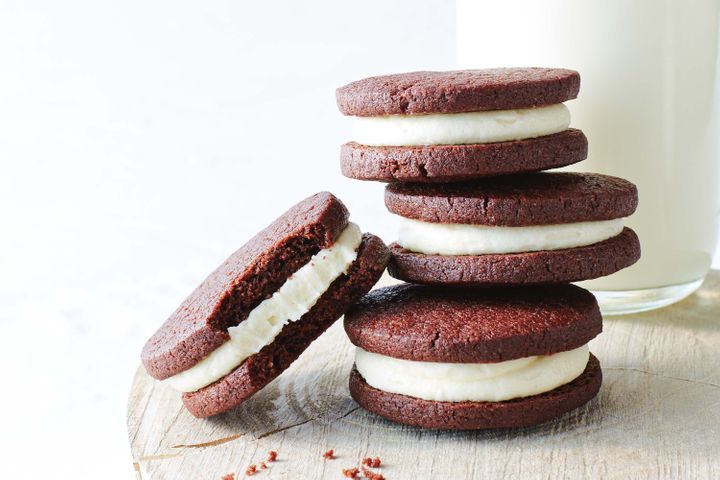
Sandwiched between two biscuits, the sweet, creamy center appears more alluring than innocuous. However, the majority of Indians eat these biscuits with their evening tea or coffee or as a dessert after meals, but they are subtly damaging their health, especially for small children who are frequently addicted to them.
Why? First, let’s talk about the cream. A cream biscuit’s filling isn’t actually cream. It’s a blend of non-dairy ingredients.
Nutritionist says that the cream is actually a processed blend of hydrogenated vegetable fats like vanaspati or dalda, along with sugar syrup, artificial flavours, colouring agents, emulsifiers, and preservatives.
“These ingredients are designed to mimic the texture and taste of cream while keeping costs low and shelf life long — but their nutritional value is close to zero,” says the expert.
In fact, it is anything but real cream, and “these substances are far from healthy,” says a Dietician.
TRANS FATS AND LONG-TERM HARM
One of the most harmful ingredients in cream biscuits is trans fat, commonly found in vanaspati or dalda.
“Hydrogenated fats raise LDL or ‘bad’ cholesterol and lower HDL or ‘good’ cholesterol, which increases the risk of heart disease,” warns nutritionist. They can also cause chronic inflammation, insulin resistance, and even type 2 diabetes over time.
Dietitian notes that trans fats are especially dangerous for children. “They contribute to central obesity, fatty liver disease, and developmental delays. They even disrupt gut health and microbiota, leading to digestion issues and poor immunity,” she says.
THE HIDDEN DANGERS OF ADDITIVES
Cream biscuits aren’t just fattening — they’re loaded with chemical additives that may quietly accumulate in the body.
“While food agencies allow small amounts of preservatives and flavouring agents, regular exposure, especially in childrencan have adverse effects,” nutritionist explains. These include allergic reactions, behavioural changes like hyperactivity, and even liver or gut damage over time.
Some additives like butylated hydroxyanisole (BHA) are carcinogenic, while others like sodium benzoate and artificial dyes have been linked to mental disorders and hyperactivity in children. “Certain emulsifiers can also damage gut flora and trigger mood disorders or autoimmune conditions,” dietitian says.
THE LINK TO OBESITY AND METABOLIC DISORDERS
Regularly indulging in cream biscuits isn’t just a harmless habit, it’s a potential gateway to serious metabolic issues.
“These biscuits are high in sugar, refined flour, and unhealthy fats, but low in fibre and nutrients. This makes them addictive and easy to overeat,” says nutritionist. Over time, this can lead to obesity, insulin resistance, and fatty liver, even in teenagers.
Processed foods like these are high in energy but low in nutrients, according to dietitians. “Their excessive calories, refined sugar, and synthetic additives can lead to metabolic syndrome, cardiovascular problems, and autoimmune conditions,” according to her.
In addition, by altering hormones, these meals cause havoc within the body. Teens who overindulge in junk food and poor nutrition start to develop thyroid problems and hormonal imbalances.
WHAT CAN YOU EAT INSTEAD?
Thankfully, there are healthier snack options available. Choose date-and-nut bars, nut butter-based snacks, or whole-grain or millet cookies in place of cream biscuits. According to a dietician, “homemade oat cookies made from banana, coconut oil, and dried fruits are great.”
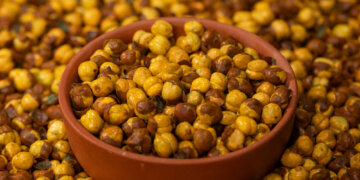
Healthy Indian snacks like moong khakhra, roasted chana, makhana, and seed or nut crackers are recommended by dietitians. Even classic dishes like kurmura chikki or rajgira can be improved by using fewer ingredients.
Despite their sweetness, cream biscuits are not good for your health. To satisfy sweet cravings, experts advise parents and consumers to check ingredient labels and choose natural, minimally processed snacks.
Source: IT