






 Finance
Many people today suffer from vitamin and mineral deficiencies. Doctors recommend taking multivitamins to assist treat this deficiency. However, the effects of these multivitamins vary depending on the individual.
These multivitamins can help some persons with their deficiencies. In others, it may affect specific organs of the body. Taking multivitamins can harm the liver in certain individuals. Here are several indicators that a multivitamin is hurting your liver.
Signs your multivitamin is affecting your liver
- Fatigue or Weakness: Unexplained tiredness could be a sign of liver stress. When the liver is overworked, which happens due to excess vitamin A, iron or niacin, it affects energy metabolism.
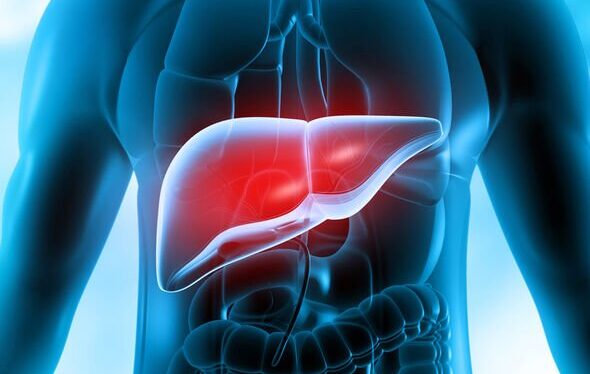
- Abdominal Pain or Discomfort: The liver is located in the upper right abdomen. Pain or a feeling of fullness in that area could be a sign of liver inflammation.
- Nausea and Digestive Issues: Excessive intake of certain vitamins can irritate the liver and gastrointestinal tract, thereby, causing nausea, bloating or indigestion. If these symptoms appear after starting a multivitamin, the liver might be under strain.
- Jaundice: One of the clearest signs of liver damage is jaundice, which is caused by a buildup of bilirubin in the blood. Some multivitamins, particularly those high in vitamin A, iron or herbal extracts, can lead to liver toxicity.
- Dark Urine and Pale Stools: A change in urine color to dark brown and stools becoming pale may indicate disruption in bile flow, which is related to liver problems. It could be caused by liver inflammation due to vitamin overload.
- Itchy Skin (Pruritus): Liver dysfunction can lead the bile salts to build up under the skin. This leads to persistent itching and might occur with long-term use of liver-stressing supplements like high-dose niacin, vitamin A or iron.
- Unexplained Bruising or Bleeding: The liver helps in the production of blood clotting factors. If it’s damaged, you might have bruises easily or experience nosebleeds or gum bleeding. High doses of vitamin E or interactions with other nutrients can impair liver function and clotting.
(Disclaimer: The article’s advice and recommendations are meant primarily as general information and should not be interpreted as expert medical advice. Before beginning any exercise program or making any dietary changes, always get advice from your doctor or a dietitian.)