







 Finance
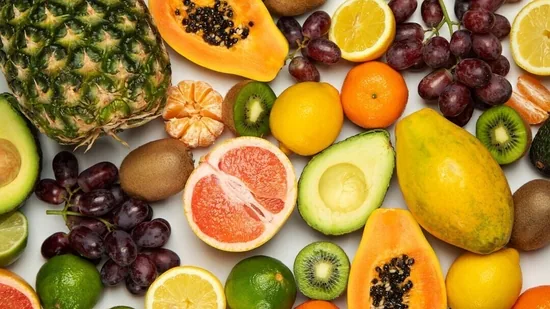
Fruit is sometimes referred to as nature’s sweet, containing vitamins, fiber, minerals, and antioxidants. However, a recent warning from Interventional Cardiologist Dr Pradip Jamnadas warns that even healthful meals, when consumed in excess, can backfire. He warns that excessive fruit eating might lead to fatty liver, coronary artery disease, and diabetes.
Believe it or not, eating too many fruits might have an impact on your heart! Let’s look at what’s going on scientifically, what the limitations are, and how to enjoy fruit sensibly, because you can still consume it and be healthy. Take a peek.
Why too much fruit might hurt
Fructose overload
Fruits contain fructose, a type of sugar. Small amounts in whole fruit get processed more safely, but in excess, they can overload liver metabolism and contribute to non-alcoholic fatty liver disease (NAFLD). In a segment from The Diary Of A CEO podcast, Doctor warns that when people eat fruit all day, every day, the repeated fructose load becomes a metabolic stress.
Metabolic impact
High fruit intake elevates blood sugar and insulin levels over time, especially in those predisposed to diabetes or insulin resistance. That strain on your metabolic system is one route to coronary artery disease and other complications.
Real-world example
Doctor recalls a patient who ate fruit for every meal (morning, lunch, dinner). When he cut back on quantity, the patient’s metabolic markers improved significantly.
What the research says about too much fruit consumption
- A number of studies show that moderate fruit intake (2–3 servings a day) is beneficial, as fibre, phytonutrients, and antioxidants help reduce cardiovascular risk.
- But fewer large studies have looked at very high fruit consumption. The arguments presented by Dr Jamnadas are more physiological rationale and clinical experience than big cohort trials.
- You have to balance caution with context: individuals with healthy livers, kidneys, and no metabolic disorder might be able to handle greater fruit consumption better.
How to eat fruit without excess
- Eat seasonally: when the fruit is natural, ripe, and not so sugar-heavy.
- Restrict portion sizes: exceeding 2–3 servings (1 serving = one small piece of fruit or one cup) can be too much for some.
- Choose whole fruit rather than juice or dried fruit: fibre retards absorption of sugar.
- Pair with protein, healthy fat, and veggies: these blunt sugar rises.
- Monitor for symptoms or changes in labs: if your liver enzymes, HbA1c, or lipid profile are worsening, re-evaluate fruit consumption.
Fruit is not the problem. However, as with so many wonderful things, it may go bad when we overdo it and use it as an excuse to indulge in sweet desires. Dr. Jamnadas’ advice is a timely reminder that moderation is key.
Eat fruit in moderation as part of a well-balanced, nutrient-dense diet.
(Disclaimer: The tips and suggestions in this post are for general information only and should not be considered professional medical advice. Always with your doctor or a dietician before beginning a fitness program or making dietary adjustments.)
Source: InTv