







 Finance
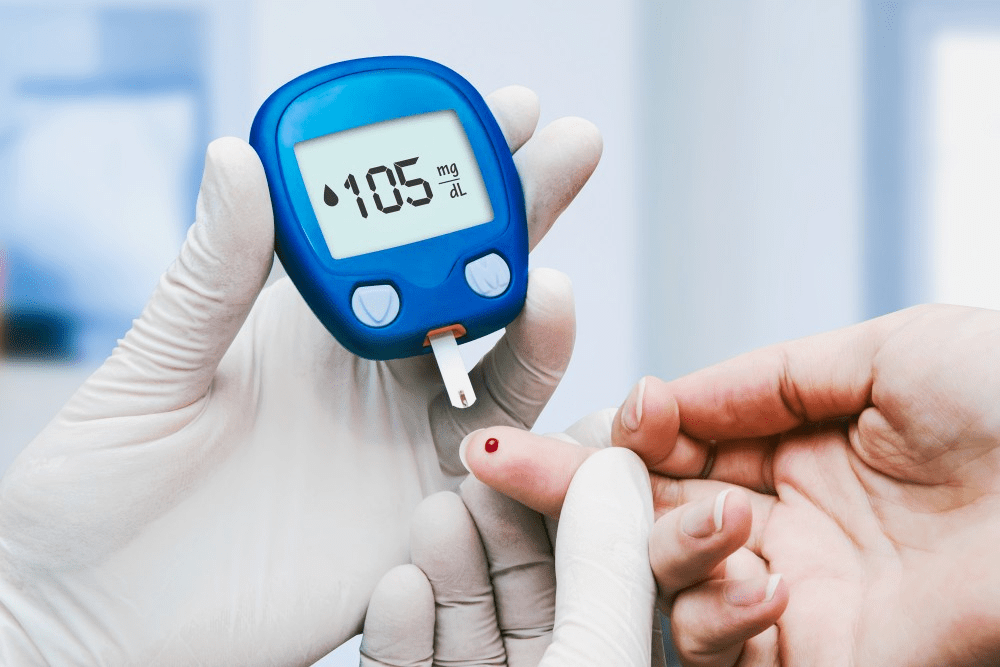
Prediabetes is a disorder that frequently goes undiagnosed since it does not usually generate obvious or dramatic symptoms. Nevertheless, it discreetly raises the risk of developing type 2 diabetes, heart disease, and other major health issues.
According to a Senior Consultant – Department of Endocrinology and Diabetes, understanding your body’s signals can help you take control early, when the problem is still treatable with lifestyle adjustments. Here are six indicators that you may have prediabetes without realizing it.
Constant fatigue: Feeling unusually tired even after a good night’s sleep could be a sign your body isn’t using glucose efficiently. When cells become resistant to insulin, glucose remains in the blood instead of being converted into energy. This leaves you feeling drained, sluggish, and less motivated throughout the day.
Increased thirst and frequent urination: High blood sugar levels can make your kidneys work overtime to remove excess glucose. This can lead to dehydration and a constant need to drink water or use the restroom more often than usual — even at night.
Persistent hunger: When your body can’t effectively use sugar for fuel, you may feel hungry soon after eating. This is because your cells are still signalling for energy, leading to overeating and, over time, weight gain around the belly — another red flag for insulin resistance.
Blurred vision: Changes in fluid levels caused by high blood sugar can make the lenses in your eyes swell, temporarily affecting your ability to focus. Many people dismiss this as eye strain, but if it happens frequently, it’s worth checking your blood sugar.
Dark patches on the skin: A common early warning sign of insulin resistance is acanthosis nigricans — dark, velvety skin around the neck, armpits, or groin. These patches are not harmful but are often one of the first visible clues of prediabetes.
Slow healing and frequent infections: When blood sugar stays elevated, it interferes with circulation and weakens the immune system. As a result, cuts or bruises may take longer to heal, and you might experience frequent skin infections, gum problems, or yeast infections.
Prediabetes can develop gradually over time, which is why regular blood sugar checks are critical, especially if you are overweight, have a family history of diabetes, or live a sedentary lifestyle. The good news is that prediabetes isn’t a permanent condition. Regular exercise, a well-balanced diet rich in fiber and whole foods, adequate sleep, and stress management can all help your body’s insulin sensitivity.
Listening to your body and responding early can make all the difference. Small everyday choices, such as replacing sugary drinks with water, walking after meals, and eating balanced breakfasts, can help you maintain control.
Awareness is the first step toward prevention, and recognizing these subtle indications may provide you with an opportunity to improve your health before diabetes develops.