






 Finance
No matter how far medical breakthroughs have progressed as a result of the relentless scientific and technical push, the most powerful treatments can occasionally be found in the most simple domestic hacks!
Ajwain is one such secret treasure of the household closet; for millennia, individuals in Indian households have quietly swore by a simple ritual: soak a small amount of ajwain in water overnight and drink it the next morning.
What is ajwain?
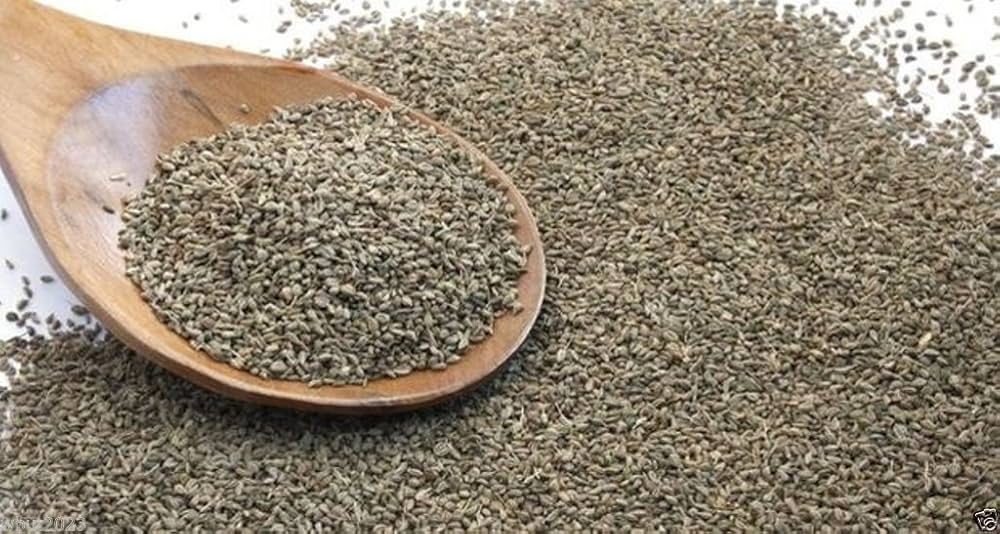
Ajwain (Carom seeds)—small, gray-brown seeds with a pleasant, thyme-like aroma—are a staple in Indian kitchens. Based on the basic method of “home remedies,” South Asians, particularly Indians, have soaked ajwain seeds overnight and sipped the filtered water first thing in the morning as a home remedy. This peaceful routine, known as “ajwain water,” is lauded for soothing the stomach, relieving coughs, and providing a subtle, natural boost to overall health.
What was once considered traditional wisdom is now supported by science, and a growing number of specialists are promoting the health benefits of these small, bitter seeds. Many of ajwain’s traditional applications have been confirmed by modern research: the seeds are high in active chemicals like thymol, which have antioxidant, anti-inflammatory, and carminative (gas-relief) effects.
Here, we look at seven health benefits of eating or drinking soaked ajwain seeds every day, delving into the science behind how they work, the best way to utilize them, and who should be cautious.
Eases digestion and reduces gas
First things first — ajwain is best known as a digestive aid. Its active compounds encourage the flow of stomach acid and digestive enzymes, which can help food pass more smoothly and reduce bloating, belching, and discomfort after meals. Many use a small cup of ajwain water for a quick relief from indigestion after heavy meals.
Speeds gastric emptying (may ease indigestion)
Laboratory and animal studies show ajwain extracts can speed up stomach emptying and reduce the feeling of fullness. That effect — thanks in part to thymol and related compounds — may explain why ajwain water often helps people feel lighter after heavy meals. Although human studies are limited and not sufficient, early evidence supports the long-standing folk use.
Natural anti-inflammatory (helps with mild joint and muscle pain)
Thymol, a major component in ajwain, has measurable anti-inflammatory activity in lab studies. This means regular, moderate intake of ajwain (as food or soaked water) could help reduce mild inflammation that contributes to joint stiffness, muscle soreness, or everyday aches. It’s advisable to keep in mind that it’s not a replacement for medical treatment for serious arthritis. However, it’s one reason people use ajwain as a gentle, food-based support.
Antioxidant and liver-supporting properties
Ajwain seeds contain antioxidants that protect cells from oxidative stress. Recent research and reviews reveal that ajwain’s antioxidant and hepatoprotective (liver-protecting) activities are among its promising effects, especially when the seeds are used as part of a balanced diet. Antioxidants are undeniably important for long-term health because they help neutralize harmful free radicals.
May support weight management and metabolism
Although we need more evidence still, anecdotally and in some small studies, ajwain water has been linked to improved digestion and a modest metabolic lift — helping people feel less bloated and potentially supporting gradual weight management, especially when combined with a healthy diet and exercise. While it’s not a magic potion, regular use can be a low-calorie ritual that supports appetite control and digestion.
Antimicrobial and oral-health benefits
Ajwain’s essential oils show antimicrobial activity against certain bacteria and fungi in laboratory tests. That’s why ajwain has been used traditionally for bad breath and minor mouth infections. Chewing a few soaked seeds after meals or rinsing with ajwain water is a common folk tip for fresher breath and oral comfort. However, it’s important to note that despite promising lab results, it’s not recommended to replace dental care with this practice.
Eases mild respiratory symptoms
Ajwain is used in many cultures to relieve coughs, congestion, and mild bronchial irritation. Its bronchial-relaxing and antitussive (cough-suppressing) actions appear in traditional medicine reports and experimental studies, and many people find ajwain steam inhalation or ajwain-infused drinks soothing during colds. Again, this is simple supportive care — one should consult a healthcare provider in case they’re facing serious breathing problems, as there could be underlying health issues at play.
Although ajwain packs a punch with all of its promising benefits, there are other factors to consider as well:
Moderation is essential while using any beneficial chemical. Most adults can safely consume little amounts (½-1 tsp soaking) as a spice or occasional drink. Large doses may cause gastric upset in certain persons.
Second, pregnant and breastfeeding women should be cautious about ingesting too much ajwain. It is best to consult with a competent healthcare expert before integrating ajwain into their daily diet.
Furthermore, it is critical to check for prescription interactions – if you take blood thinners, diabetes medications, or other regular medications, you should inform your doctor about ajwain, since plant chemicals can occasionally mix with drugs.
Finally, keep in mind that ajwain water is a supportive home remedy rather than a medical solution. It can alleviate mild symptoms and enhance daily comfort, but it is not a substitute for professional medical diagnosis or treatment.