





 Finance
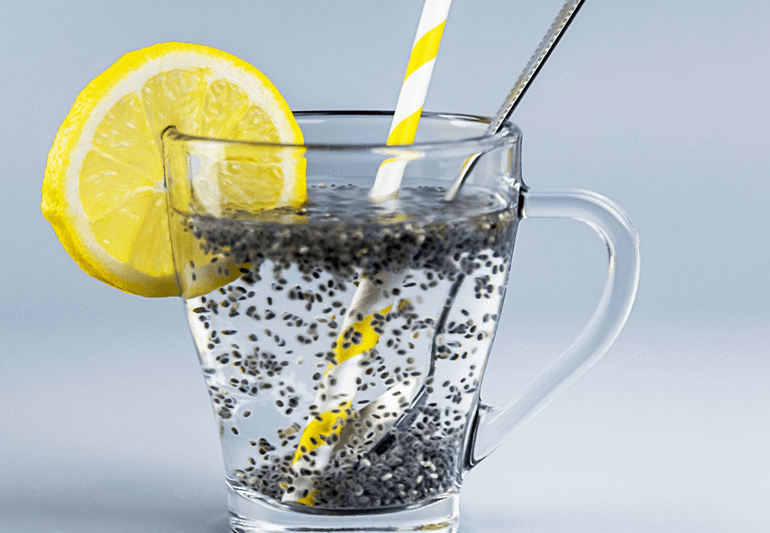
Chia seeds are a superfood with numerous advantages. These tiny seeds are high in fiber, protein, and omega-3 fatty acids (ALA). They also include a variety of critical elements, including calcium, magnesium, and phosphorus, as well as antioxidants, B vitamins, zinc, and others. Chia seeds have grown in popularity and are now included in many diets. Chia seeds can be added to your diet in a variety of ways, including pudding and smoothies.
It is also widely believed that chia seeds can aid with weight loss. Read on to find out if chia seeds truly help you lose weight.
Weight loss is influenced by a variety of factors, including your food, sleep, physical activity, and stress. However, your diet has a significant impact on how much weight you lose. Eating the correct foods at the appropriate times and in the right ways can help you lose weight dramatically. Chia seeds are one of the foods that can help you lose weight. Chia seeds can help you lose weight when combined with good habits because of its unique nutritional profile and effects on satiety, metabolism, and digestion.
How Chia Seeds Help With Weight Loss?
Read on to know chia seeds may help with weight loss.
-
Keeps You Full For Longer
Chia seeds expand and form a gel when soaked in water or digestive fluids. This takes up space in your stomach and keeps you feeling full for longer periods. This physical effect, and their high fibre content, can help curb cravings and reduce the urge to eat between meals, making it easier to stick to your calorie goals and avoid overeating.
-
Low in Calories, High in Nutrients
These tiny seeds are high in nutrients; fibre, protein, omega-3 fats, and minerals, without adding much to your daily calorie count. This means you can eat them as part of meals or snacks to nourish your body while maintaining a calorie deficit, which is required for weight loss.
-
Source of Fibre
Chia seeds are loaded with fibre, which is important for healthy digestion, steady energy, and weight loss. This happens because it slows down digestion, helps control blood sugar levels, and promotes satiety. A fibre-rich diet can help reduce hunger spikes, prevent mindless snacking, and support balanced eating patterns.
-
Maintains Blood Sugar and Reduces Cravings
Eating chia seeds regularly can help stabilise blood sugar levels, which reduces your craving to reach out for unhealthy snacks. Chia’s fibre and gel-forming ability slows the absorption of sugar from other foods, making you less likely to experience sudden drops in energy or cravings after eating.
-
Supports Metabolism
Chia seeds have healthy omega-3 fatty acids, especially alpha-linolenic acid (ALA), which can be beneficial for metabolism. This means your body has a better ability to use calories efficiently. A healthy metabolism can help in fat burning, especially when paired with regular exercise and a balanced diet.
-
Fat Loss
Several studies have found that people who add chia seeds to their meals, especially as part of a calorie-restricted diet, have better weight loss compared to control groups. Results include measurable reductions in body weight and waist circumference. The best effects can be seen when chia seeds are included in a healthy eating plan rather than simply added to any diet.
-
Easy and Versatile to Use
Chia seeds can be added to many foods; water, smoothies, yoghurt, salads, or baked goods. Experts recommend starting with 1-2 tablespoons daily, which is enough to get benefits. You don’t have to worry about special preparation, and most people tolerate chia seeds well. Their versatility makes it easier to include them in meals, helping in long-term weight management.
It is critical to recognize that chia seeds do not have the magical capacity to aid in weight loss and do not directly target stubborn abdominal fat. However, their ability to suppress hunger, aid digestion, and improve nutritional quality makes them an excellent complement to a weight loss diet.
(Disclaimer: The article’s advice and recommendations are meant primarily as general information and should not be interpreted as expert medical advice. Before beginning any exercise program or making any dietary changes, always get advice from your doctor or a dietitian.)