







 Finance
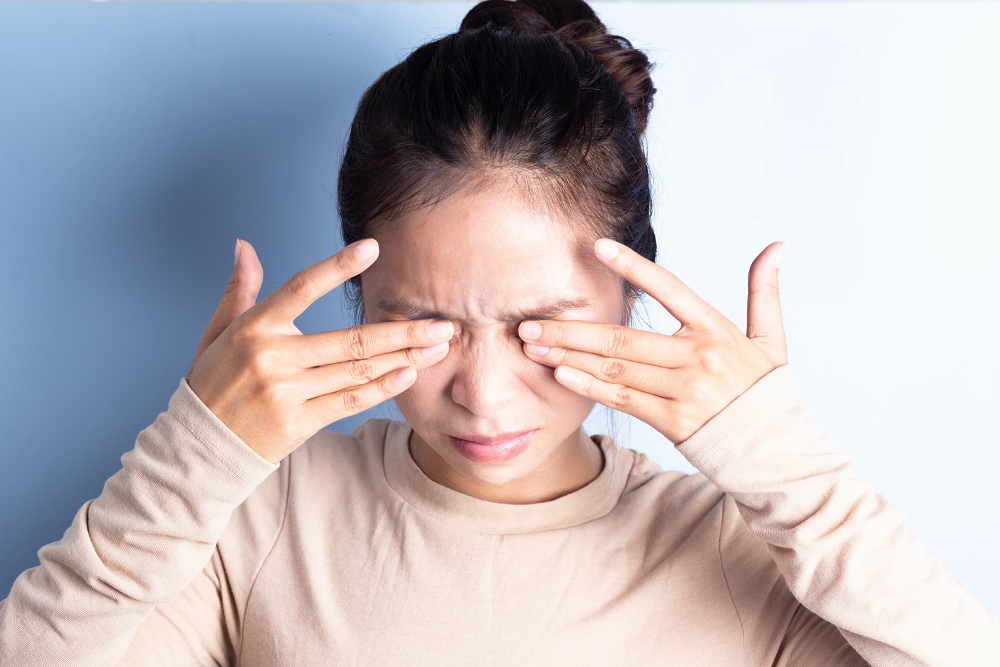
For the majority of people, the monsoon season provides much-needed relief from the terrible heat of summer. However, as the weather cools, your body undergoes various changes, some of which are not positive. If your eyes have been watery, inflamed, itching, or simply uncomfortable during the rainy season, you are not alone.
While dry eye syndrome is commonly associated with hot temperatures, it can also develop during a monsoon. Seasonal changes, varying humidity levels, transitioning from humid outdoor circumstances to air-conditioned interior situations, increased allergy exposure, and prolonged screen time can all have an impact on your eyes’ tear film.
What is dry eye disease?
According to eye specialists, the eye’s surface is covered by a thin tear film composed of three layers: oily, aqueous, and mucous. These layers work together to keep the eyes lubricated, clear, and protected from infections.
Dry eye illness develops when the tear film becomes unstable, either due to insufficient tear production or excessive tear evaporation. One of the most prevalent causes is a malfunction of the meibomian glands, which create the oily layer that inhibits excessive tear evaporation.
“Although higher outdoor humidity during the monsoon may seem beneficial, frequent environmental changes, indoor air-conditioning, allergens, dust and pollution can destabilise the tear film and aggravate symptoms, particularly in individuals with pre-existing dry eye disease,” explains Doctor.
Signs your eyes may be dry
Dry eye symptoms aren’t always limited to dryness. In fact, excessive watering can also be a sign that your eyes are struggling to stay lubricated.
According to Doctor, common symptoms include:
- A dry, gritty or sandy sensation
- Burning or stinging eyes
- Redness and irritation
- Excessive watering
- Blurred vision that improves after blinking
- Eye fatigue after reading or using digital devices
- Increased sensitivity to light
These symptoms often become more noticeable after prolonged screen time or spending hours in air-conditioned environments.
Tips to keep your eyes safe during the monsoon season
The good news is that a few simple steps can help keep your eyes healthy and comfortable.
Practice proper eye hygiene
Avoid rubbing your eyes, since this can aggravate discomfort and raise the risk of infection. It is especially crucial to wash your hands before touching your eyes during the monsoon season, when eye infections are more common.
Follow the 20-20-20 rule
Looking at screens reduces your blinking rate, causing tears to evaporate more quickly. Doctor advises following the 20-20-20 rule: every 20 minutes, look at something 20 feet away for 20 seconds. This helps relax your eyes and encourages regular blinking.
Drink enough water
Proper hydration helps your body produce adequate tears, although it may not be enough to manage chronic dry eye disease.
Keep your eyes safe outdoors
Using an umbrella or protective glasses can reduce exposure to dust, dirt and other environmental irritants during the monsoon.
How to use lubricating eye drops properly
Lubricating eye drops may provide relief for dry eyes. If you use them frequently, Dr. Nayak suggests that you visit an ophthalmologist before using them. He also cautions against self-medicating with redness-relieving eye medications, which may exacerbate the disease.
Contact lens users should take extra care
Individuals who wear contact lenses should follow proper cleaning and replacement schedules during the monsoon to reduce the risk of eye infections.
Dry eyes or eye allergy? Know the difference
Both dry eye illness and allergic conjunctivitis can cause redness and watery eyes, making them difficult to distinguish.
The doctor explains that severe itching is more typically related with allergies. Because therapy varies, persistent symptoms should always be assessed by an eye care specialist rather than using over-the-counter medicines.
When should you see a doctor?
Mild irritation during seasonal changes is common, but persistent symptoms should never be ignored.
“Persistent dryness, prominent redness, eye pain, eye discharge, increasing sensitivity to light or blurred vision should be evaluated promptly. Early diagnosis enables better management of dry eye disease and helps prevent long-term damage to the ocular surface,” says Doctor
(Disclaimer: The article’s advice and recommendations are meant primarily as general information and should not be interpreted as expert medical advice. Before beginning any exercise program or making any dietary changes, always get advice from your doctor or a dietitian.).