





 Finance
Most people do not worry about their gut health until they experience symptoms such as bloating or pain. However, gut health has a significant impact on digestion, energy levels, and immune function. While you seek quick cures and supplements to address your gut issues, the key to a healthy digestive tract lies in ordinary foods.
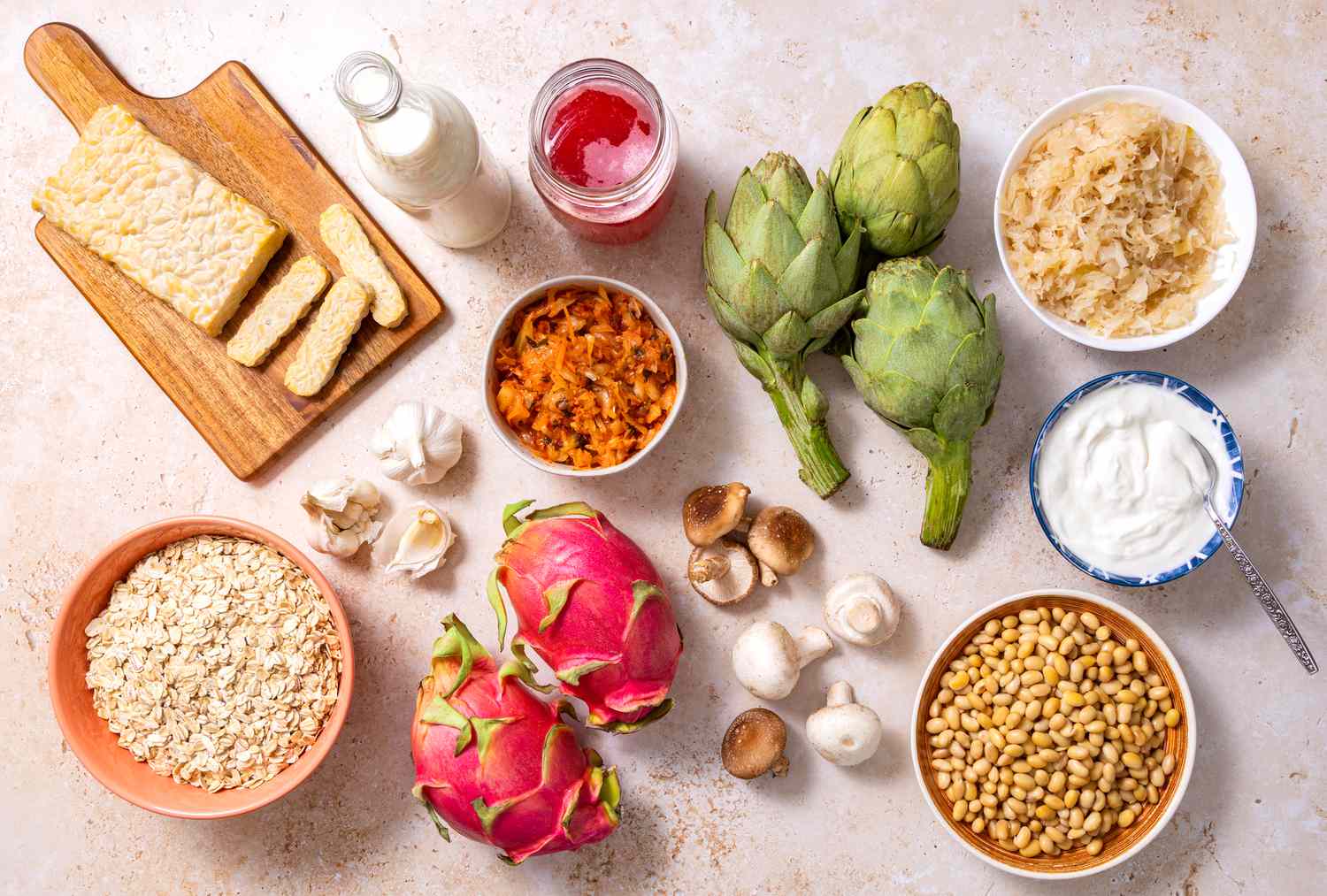
Dr. Saurabh Sethi advises the top five meals to help heal your gut. The appropriate combination of fiber-rich, probiotic, and prebiotic foods will help maintain gut balance and alleviate symptoms such as bloating and constipation.
5 Must-Eat Foods For Better Digestion
1. Fermented dairy
The examples include kefir, yoghurt, or dahi. The doctor recommends looking for live and active cultures and skipping the flavoured versions.
2. Fermented veggies
Kimchi or sauerkraut are one of the most underused gut tools. These must be refrigerated, and that’s how you know it is truly fermented.
3. Fibre-rich foods
Foods like berries and seeds are what most people miss. “Probiotics don’t work well without fiber to feed them. Consume chia seeds, flax seeds and berries, daily and not occasionally,” Saurabh Sethi shares.
4. High-quality protein
High-quality generally refers to complete proteins, which contain all nine essential amino acids your body can’t make on its own. Some examples include eggs, tofu, lentils, Greek yoghurt, chicken and salmon. Integrating them into your diet is essential for muscle repair, hormone production and overall satiety. Your gut lining also depends on adequate protein.
5. Healthy fats
Healthy fats such as nuts, avocado and extra virgin olive oil are vital for absorbing vitamins A, D, E and K. They keep your digestion moving smoothly by lubricating the digestive tract. They also support the absorption of nutrients and reduce gut inflammation signals.
A gut-friendly diet is balanced. Combining the aforementioned critical nutrients results in a meal that is easy to digest, keeps you full, and fuels your microbiome.
(Disclaimer: The article’s advice and recommendations are meant primarily as general information and should not be interpreted as expert medical advice. Before beginning any exercise program or making any dietary changes, always get advice from your doctor or a dietitian.)