





 Finance
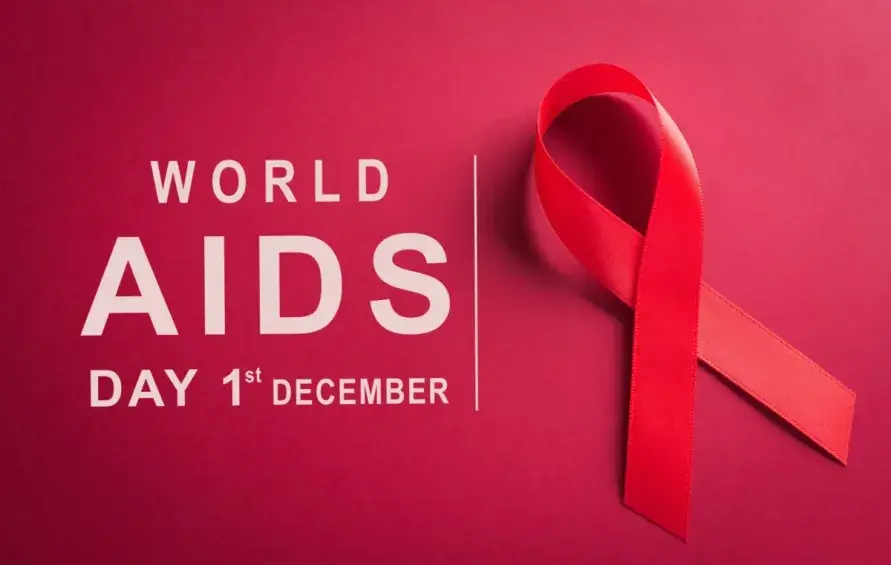
Every year on December 1st, World AIDS Day is commemorated to increase awareness of HIV and AIDS, provide support to individuals living with the infection, and honor the memory of those who have perished because of such illnesses. Started in 1988 by the World Health Organization (WHO), it was the first-ever global health day.
The aim of this day is to educate people about HIV prevention, promote testing and treatment, and fight the stigma and discrimination associated with the disease. Each year, World AIDS Day has a special theme that focuses on a key issue related to HIV, encouraging people and communities worldwide to come together and strengthen efforts toward ending AIDS as a public health threat by 2030.
Importance of World AIDS Day
World AIDS Day, commemorated on December 1st each year, is crucial for boosting HIV and AIDS awareness. It reminds people all throughout the world that the fight against HIV is far from over, and that knowledge, education, and compassion remain critical in preventing the disease. The day strives to minimize the stigma and discrimination that HIV patients frequently suffer by asking everyone to treat them with dignity and compassion. It also underlines the significance of early detection, safe behaviors, and availability to antiretroviral medication (ART) in enhancing the quality of life for individuals affected.
World AIDS Day is more than just an awareness campaign; it’s also a call to action. It brings together governments, health organizations, and communities to renew their commitment to eliminating the AIDS epidemic. The day is an opportunity to evaluate worldwide progress, enhance healthcare systems, and guarantee that no one falls behind in terms of prevention, treatment, and care. Every year, World AIDS Day inspires optimism and reminds the world that with persistent commitment and compassion, an AIDS-free generation is possible.
History of World AIDS Day
Every year on December 1st, we mark World AIDS Day. It began in 1988 when the World Health Organization (WHO) and the United Nations (UN) established it. The goal was to raise knowledge of HIV/AIDS, dispel myths, and foster empathy for those living with HIV. This day serves as a reminder to people all over the world that AIDS is not only a health problem, but also a social and humanitarian one that must be addressed collaboratively.
World AIDS Day evolved into a global movement, with governments, non-governmental organizations, health institutions, and ordinary citizens banding together to show unity against AIDS. Every year, a new theme is decided on this day, which focuses on the current challenges associated with AIDS. It aims to promote HIV prevention, access to treatment, and the protection of patients’ rights to end AIDS as a public health threat by 2030.
World AIDS Day Theme 2025
By choosing the theme “Rethink, Rebuild, and Rise” for both World AIDS Day 2025 and AIDS 2026, the International AIDS Society (IAS) wants to create a single, powerful message that connects everyone working against HIV, from local activists and scientists to governments and global organizations.
Today, the world’s fight against HIV is at a turning point. Years of progress are at risk because of political tensions and a lack of funding. The theme “Rethink. Rebuild. Rise.” is a strong call for action, reminding the global community to stay united, strong, and innovative to overcome these new challenges.
- Rethink means focusing on long-term financial strength by encouraging countries to invest more of their own resources instead of depending only on foreign aid.
- Rebuild means renewing efforts to protect healthcare systems, research freedom, and civil society groups, and ensuring that all decisions are based on real evidence, not misinformation.
- Rise means moving forward with a fully funded, people-centered approach that protects past achievements and pushes us closer to ending AIDS as a public health threat by 2030.
How Can We Prevent AIDS?
AIDS prevention starts with stopping the spread of HIV (Human Immunodeficiency Virus). This is the virus that causes AIDS. While there is no vaccine or permanent cure yet, simple preventive measures can effectively reduce the risk of infection:
-
Practice Safe Sex
Always use a condom during sexual activity. Avoid multiple sexual partners and get regularly tested for HIV and other sexually transmitted infections (STIs).
-
Avoid Sharing Needles
Never share needles, syringes, or other injecting equipment. Use only sterilized or disposable ones. Get Tested and Know Your Status. Regular HIV testing helps detect infection early and prevents unknowingly transmitting it to others.
-
Prevent Mother-to-Child Transmission
HIV-positive pregnant women should take antiretroviral therapy (ART) as prescribed to protect their babies during pregnancy, delivery, and breastfeeding.
-
Ensure Safe Blood Transfusions
Always receive blood or blood products from screened and certified sources. Use HIV Prevention Medicines. Pre-Exposure Prophylaxis (PrEP) and Post-Exposure Prophylaxis (PEP) are medications that reduce HIV risk for people at higher exposure.