







 Finance
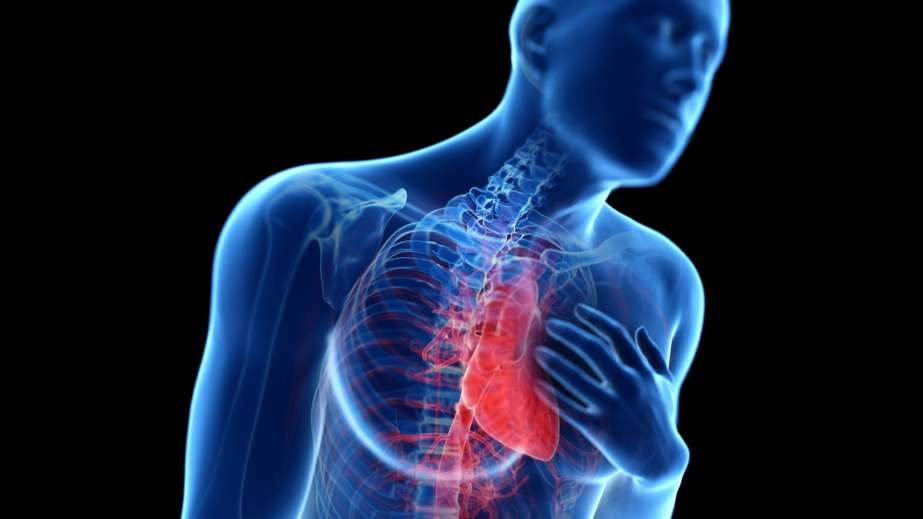
There’s a reason why doctors insist that a sore throat should not be disregarded. What begins as a straightforward, untreated throat illness caused by Group A Streptococcus can develop into something even more harmful if left untreated. Rheumatic fever, which can occur after multiple or severe strep throat infections, can eventually destroy the heart valves, resulting in rheumatic heart disease, or RHD.
RHD remains a serious global health concern, particularly in underdeveloped nations, affecting children, adolescents, and young adults. It gradually increases over time, with no warning indications; by the time symptoms arise, the damage is irreparable. Understanding what causes it and identifying symptoms early on can make all the difference.
What is rheumatic heart disease?
Rheumatic heart disease is a chronic heart disorder characterized by persistent damage to the heart valves following an attack of rheumatic fever. Rheumatic fever is an inflammatory condition that can occur when strep throat or scarlet fever are not appropriately treated.
The inflammation affects the heart, joints, brain, and skin, but the heart valves are the most vulnerable, becoming constricted or leaky, making it difficult for the heart to pump blood properly.
What are the symptoms of rheumatic heart disease?
Symptoms may take several years after the original infection, thus making their early detection problematic. Certain warning signs are:
- Shortness of breath, particularly with exertion or when lying down
- Chest pain or discomfort
- Palpitations or erratic heartbeats
- Swelling in legs, ankles or abdomen
- Fatigue and diminished exercise tolerance
- Persistent dry cough
- Dizziness or fainting
Children with active rheumatic fever may also have fever, painful and swollen joints, skin rashes, or uncontrollable jerky movements (chorea).
What complications can rheumatic heart disease lead to?
If left untreated, RHD may become life-threatening. Possible complications of the condition include:
- Heart failure caused by weakness in heart’s pumping
- Valve stenosis or regurgitation
- Atrial fibrillation raising stroke risk
- Endocarditis-infection of the heart lining or valves
- Pulmonary hypertension
- Stroke or blood clots
How is rheumatic heart disease diagnosed?
Doctors usually use:
- Echocardiogram (ECHO) – Key test to check valve damage
- Electrocardiogram (ECG)
- Chest X-ray
- Blood tests such as ESR, CRP and ASO titre
Diagnosis in this setting relies on the combination of clinical and imaging features to assess disease severity.
What are the treatment options for rheumatic heart disease?
Treatment depends on how advanced the condition is and may include the following:
- Penicillin prophylaxis against further infections
- Anti-inflammatory medications
- Medications to regulate heart rhythm or fluid retention
- Surgery or valve replacement/repair in cases of severe damage
- Lifelong follow-up with a cardiologist
Recognizing that a throat infection is not always “just viral” is the first step toward prevention. Early intervention today avoids lifetime issues tomorrow.