






 Finance
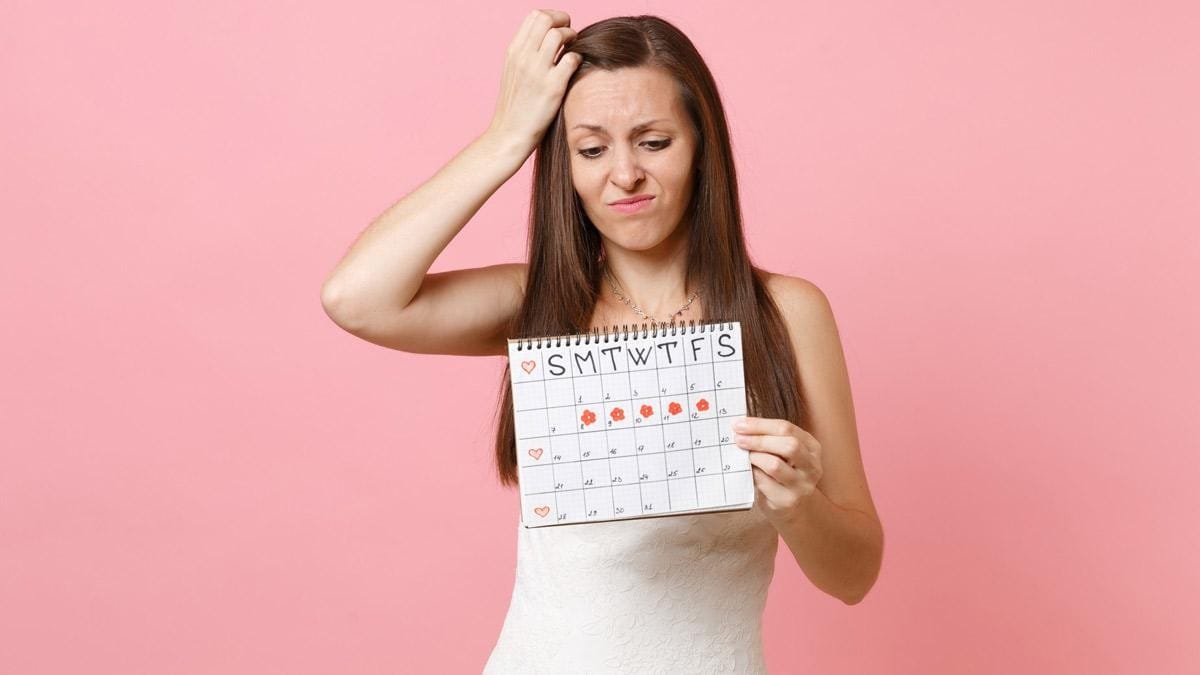
Teenagers’ irregular periods are sometimes written off as “normal,” even though they are frequently a typical aspect of puberty. However, according to medical professionals, more teenagers are dealing with long-term irregular cycles rather than simply brief variations. Hormonal immaturity, contemporary lifestyle pressures, nutritional problems, and underlying medical illnesses that are increasingly prevalent in young females are all contributing factors.
Because “the hormonal system of the body is still developing” in the initial years following menarche, early irregular menstruation is expected, according to the doctor. However, she points out that a number of contemporary circumstances are increasing the frequency and difficulty of managing irregular periods.
Stress is a major disruptor of menstrual regularity
Teen girls today deal with academic pressure, social anxiety, hormonal shifts and emotional highs, often without adequate coping strategies.
Doctor explains that stress increases cortisol, which “interferes with the production of reproductive hormones and the brain-ovary communication pathway,” leading to skipped or delayed periods.
This is why teens with anxiety, exam stress or emotional instability may suddenly begin experiencing irregular cycles.
Weight fluctuations and poor eating patterns affect hormones
Rapid weight gain or loss, common in adolescence, can disrupt estrogen production.
According to Dr, both extremes “drastically affect the production of estrogen and the general hormonal balance necessary for regular menstruation.”
Overweight girls are also at higher risk of PCOS, which can cause persistent irregularity. Dietary issues play a role too. Restrictive diets, junk-heavy meals and nutritional deficiencies interfere with hormone regulation and may lead to irregular or absent periods.
Extreme exercise can shut down menstrual cycles
While moderate activity is beneficial, excessive training, especially in athletes with low body fat, can trigger exercise-induced amenorrhea.
Dr notes that extremely long or intense workouts “may result in hormonal imbalances as well as the cessation of menstrual cycles.”
This pattern is increasingly recognised among student athletes, dancers and teens pursuing competitive fitness.
Underlying medical conditions are being diagnosed more often
Irregular cycles can also indicate underlying health problems, and physicians say awareness and diagnosis are on the rise.
PCOS
PCOS causes excess androgens that disrupt ovulation, leading to skipped periods.
Thyroid disorders
Both hyperthyroidism and hypothyroidism affect reproductive hormones and cycle timing.
Diabetes and insulin resistance
High blood sugar can disturb menstrual patterns and worsen PCOS.
Lifestyle changes and digital habits are making it worse
Late nights, screen addiction, poor sleep, and hectic routines disrupt overall health and hormonal balance.
Doctor notes that these lifestyle factors “may be some of the contributors to health problems in general and hormonal disturbances as well.”
How to manage irregular periods in teens
Balanced, nutritious diet
Prioritise whole foods, fibre, proteins and healthy fats.
Moderate exercise
Stay active, but avoid extremes.
Stress management
Yoga, hobbies, and relaxation regulate hormones.
Adequate sleep
Adequate, restful sleep promotes hormonal balance.
Track the cycle
Apps or diaries can help identify patterns and inform care.
When to see a doctor
Doctor advises a medical consultation if:
- Cycles were regular and then suddenly changed
- Periods happen less than every 21 days or more than every 45 days
- Bleeding is unusually heavy or lasts longer than seven days
- Severe pain disrupts daily life
- Spotting occurs between periods
- Symptoms like excess hair growth or sudden weight changes appear
- Menstruation hasn’t started by age 15
Modern stress, food, lifestyle, and underlying medical issues are making irregular periods more typical in today’s youth, even if puberty-related irregularities eventually go away.
Long-term hormonal and reproductive health can be safeguarded by recognizing the symptoms early and forming supportive behaviors.