





 Finance
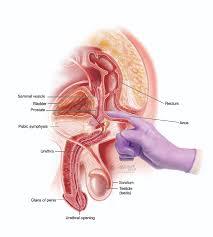
Healthy living, heart disease, and stress are often what dominate discussions about men’s overall health, but prostate cancer is a little-known problem that exists behind the scenes. Prostate cancer is one of the most common diseases diagnosed in males around the world, but often receives little attention until it has progressed to a more severe stage.
Prostate cancer typically develops without any symptoms, and in many cases, if detected early enough, it is easily treatable. The most important thing is to learn about this disease, schedule regular doctor visits, and have a simple blood test.
The Prostate: Small gland, Big role
Before delving into the condition, it’s helpful to understand what the prostate truly performs. The prostate gland is about the size of a walnut and is located directly below the bladder. It generates seminal fluid, which nourishes and transports sperm. The prostate enlarges naturally as we age, which is usually safe. However, this development can occasionally become aberrant and even malignant. Prostate cancer develops when cells in the gland expand uncontrolled, resulting in a tumor.
Why prostate cancer deserves attention
According to a Uro Oncologist and Robotic Surgeon, prostate cancer behaves differently than many other cancers. In some men, it grows slowly and remains localized to the prostate. In others, it can rapidly spread to surrounding bones or lymph nodes. Genetics, age, and lifestyle factors all have a role in determining its behavior. It is most frequent in males over 50, but younger men with a family history of prostate or breast cancer may also be at higher risk. Diets high in red meat, sedentary lifestyles, and obesity have all been related to an elevated risk.
But here’s the good news: when diagnosed early, prostate cancer can be possibly cured, frequently without serious problems.
Early warning signs men often ignore
Let us recall that early prostate cancer may not cause any symptoms at all. But, if it’s present, what should men look for? The symptoms are frequently modest and readily misunderstood for normal aging or urinary problems. However, paying attention to these minor adjustments might make all the difference:
- Frequent urination, especially at night
- Difficulty starting or stopping urine flow
- A weak or interrupted urine stream
- Pain or burning during urination
- Blood in urine or semen
- Persistent pain in the lower back, hips, or thighs
While these signs don’t always mean cancer, they can indicate prostate enlargement or infection – they’re signals worth checking out. Ignoring them can lead to late diagnosis, which limits treatment options.
PSA test and digital rectal exam explained
PSA (Prostate-Specific Antigen) Test: A simple blood test that measures PSA levels, which tend to rise when there’s prostate abnormality.
Digital Rectal Exam (DRE): A quick physical examination that helps doctors feel for irregularities in the gland.
Neither test confirms cancer by itself, but together they guide doctors toward the right diagnosis. If something seems unusual, further imaging or a biopsy may be advised.
How early detection changes treatment outcomes
When prostate cancer is detected in its early stages, before it has spread to other parts of the body, the prognosis for treatment is favorable. Depending on the stage and type of prostate cancer you have, your treatment options may include “active surveillance” (closely monitoring your cancer), surgery, radiation therapy, or “targeted hormone therapy.”
Many men, especially those with slow-growing tumors, will not require immediate and aggressive treatments; instead, doctors will monitor the cancer to see how it changes over time, allowing men to avoid unnecessary side effects while also maintaining their quality of life.
This demonstrates the idea that knowing early in the process creates the opportunity for someone to have the greatest amount of power.
Why men need to talk about prostate health
The most significant transformation required is cultural rather than medical in nature. Men are typically hesitant to discuss urinary difficulties or sexual health because they perceive them as symptoms of weakness or aging. However, silence can be hazardous. Encourage open interactions, whether with family, friends, or doctors, to break down that barrier and lead to early discovery.
(Disclaimer: The article’s advice and recommendations are meant primarily as general information and should not be interpreted as expert medical advice. Before beginning any exercise program or making any dietary changes, always get advice from your doctor or a dietitian.)