





 Finance
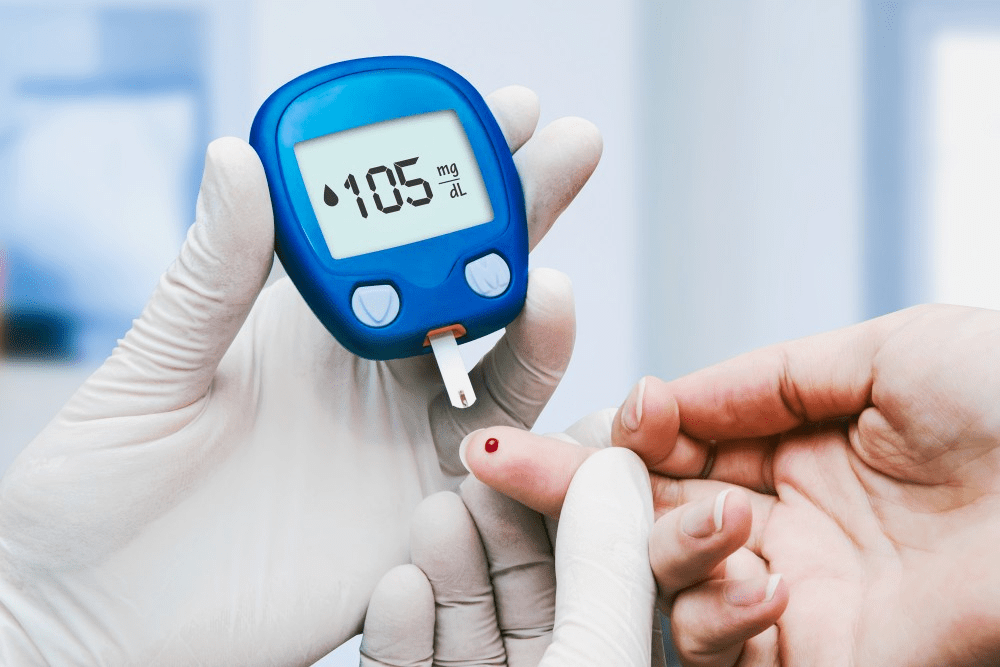
For years, diabetes has been managed through nutrition, which includes decreasing sugar intake, calculating eaten carbohydrates, and monitoring calorie intake. Community doctors are finally putting light on two other equally crucial aspects that have long been overlooked: when to eat and how to sleep.
According to a lifestyle medicine specialist and metabolic health expert, diabetes management, and in some cases reversal, is about aligning daily routines with the body’s natural rhythm. “Your body has rhythm,” he explains. “When eating and sleeping happen in sync with that rhythm, insulin works better, and blood sugar control improves.”
Why meal timing matters for diabetes management
The body processes food differently throughout the day. Insulin sensitivity is strongest in the morning and gradually falls during the day. Late-night eating puts extra strain on the pancreas, resulting in bigger blood sugar increases.
“Eating late in the evening or constantly grazing throughout the day keeps insulin levels elevated,” Dr. explains. “Over time, this worsens insulin resistance, which lies at the heart of type 2 diabetes.”
Time-restricted eating, in which meals are consumed within a set timeframe, usually 8-10 hours, allows the body to rest from constant digestion. This resting period reduces insulin levels and promotes metabolic flexibility.
The overlooked role of sleep in diabetes control
Sleep deprivation does more than only make you weary; it also alters glucose metabolism. Poor or insufficient sleep changes hormones that regulate appetite and fullness, leading to increased cravings for sugary and refined meals the following day.
“When sleep is compromised, cortisol levels rise,” Doctor explains. “This stress hormone pushes blood sugar up and reduces insulin sensitivity, even in people who otherwise eat well.”
Chronic sleep disruption can eventually erase the benefits of a healthy diet, making blood sugar control more difficult and raising the risk of diabetes progression.
How sleep and food timing work together
Food time and sleep are inextricably linked. Eating late can cause sleep deprivation, and lack of sleep frequently results in erratic eating patterns the next day. This results in a vicious cycle of insulin resistance, weight gain, and elevated blood sugar levels.
“Fixing one without addressing the other gives only partial results,” according to the doctor. “When patients improve both their eating window and sleep routine, we often see better glucose readings within weeks.”
Can lifestyle changes help reverse type 2 diabetes?
While not all cases of diabetes can be reversed, particularly in the latter stages, many people with early or moderate type 2 diabetes can considerably improve their condition by making lifestyle changes.
“Reversal doesn’t mean ignoring medical advice,” Doctor says. “It means supporting treatment with habits that reduce insulin resistance, proper meal timing, consistent sleep, physical activity and stress management.”
Patients who eat earlier dinners, avoid late-night snacking, sleep seven to eight hours each night, and stick to a steady pattern frequently have lower HbA1c readings and less medication dependence when under medical supervision.
Simple habits that improve blood sugar control
Small changes, practised consistently, can have a meaningful impact:
- Finish dinner at least 2–3 hours before bedtime
- Maintain a fixed eating window instead of constant snacking
- Prioritise 7–8 hours of quality sleep
- Avoid screens close to bedtime
- Keep meal and sleep timings consistent, even on weekends
Diabetes treatment extends beyond calorie counting and dietary restrictions. Many people are unfamiliar with the body clock and, as a result, the need of following it when eating or sleeping. As Dr. says, “It’s not just what you eat.” When you eat and how well you sleep can often decide whether diabetes advances or reverses.
In many situations, the journey to better blood sugar control begins not in the kitchen alone, but with the clock and the pillow.
(Disclaimer: The article’s advice and recommendations are meant primarily as general information and should not be interpreted as expert medical advice. Before beginning any exercise program or making any dietary changes, always get advice from your doctor or a dietitian.)