


 Finance
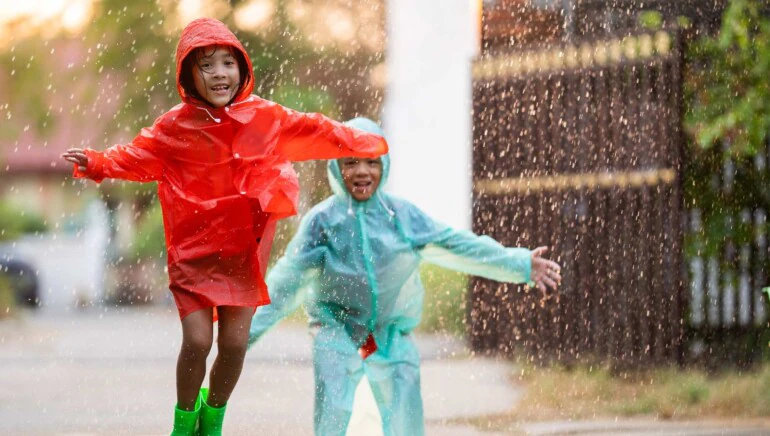
The approach of the monsoon provides lower temperatures and much-needed reprieve from the summer heat, but it also ushers in a period when youngsters are especially vulnerable to diseases. Increased humidity, stagnant water, tainted food and drinking water, and more time spent indoors provide excellent circumstances for viruses, bacteria, fungus, and mosquitos to thrive. As a result, pediatric clinics across India frequently see an increase in instances of viral fever, respiratory infections, diarrhea, dengue, chikungunya, conjunctivitis, and skin infections during the rainy season.
Young children are especially vulnerable since their immune systems are still developing, and they are constantly exposed to infections through shared toys, classrooms, and outdoor play. According to the Ministry of Health and Family Welfare (MoHFW), preventing common monsoon illnesses is mostly dependent on excellent cleanliness, safe food and water practices, mosquito control, and ensuring that children obtain all age-appropriate vaccines.
The good news is that the majority of monsoon illnesses are avoidable. By implementing a few basic daily routines, parents can greatly lower their child’s risk of illness while still allowing them to enjoy the rainy season.
Why Children Fall Sick More Often During The Monsoon
The rainy season alters the environment in various ways that promote disease spread. Many viruses and bacteria can survive on surfaces and in the air for prolonged periods of time due to high humidity. Rainwater collects in flowerpots, tires, building sites, and exposed containers, providing breeding grounds for mosquitos that transmit dengue and chikungunya. Heavy rainfall and flooding can contaminate drinking water with sewage, raising the risk of diarrhoeal illnesses and hepatitis A. Meanwhile, damp garments and prolonged contact with moisture promote fungal skin diseases.
According to the National Centre for Vector Borne Diseases Control (NCVBDC), the incidence of dengue and other mosquito-borne illnesses normally increases during and immediately following the monsoon season due to increased mosquito reproduction. The Integrated Disease Surveillance Programme (IDSP) also reports seasonal spikes in acute diarrhoeal diseases during periods of heavy rainfall.
Common Monsoon Infections In Children
Parents should be aware of the illnesses that become more common during the rainy season.
- Respiratory Viral Infections: Colds, influenza and other viral respiratory illnesses spread rapidly when children spend more time indoors in schools, daycare centres and crowded homes. Symptoms usually include fever, cough, sore throat, runny nose and fatigue.
- Diarrhea And Gastrointestinal Infections: Unsafe drinking water and contaminated food increase the risk of diarrhoea, gastroenteritis, typhoid and hepatitis A. Young children are particularly vulnerable to dehydration, making prompt fluid replacement essential.
- Mosquito-Borne Diseases: Dengue and chikungunya are among the most important viral illnesses during the monsoon. Symptoms include high fever, severe body pain, headache, rash and extreme fatigue. Dengue can occasionally progress to severe disease requiring hospitalisation.
- Skin And Fungal Infections: Wet shoes, damp clothing and prolonged skin moisture can lead to fungal infections, athlete’s foot, rashes and bacterial skin infections, especially in active children.
- Eye Infections: Conjunctivitis spreads easily among school-going children through direct contact and contaminated hands.
Simple Ways To Protect Your Child During The Monsoon
- Encourage Frequent Handwashing: Hand hygiene remains one of the simplest and most effective ways to prevent infections. According to UNICEF India, washing hands with soap at critical times can reduce diarrhoeal diseases by nearly 47% and respiratory infections by 23%, making it one of the most cost-effective public health interventions. Parents should ensure children wash their hands before eating, after using the toilet, after outdoor play and after coughing or sneezing.
- Ensure Safe Drinking Water: Always provide boiled, filtered or properly treated drinking water. Water storage containers should remain clean and covered to prevent contamination. Oral rehydration solution (ORS) should be used promptly if diarrhoea develops to prevent dehydration, in line with Government of India recommendations.
- Serve Fresh, Home-Cooked Meals: The Food Safety and Standards Authority of India (FSSAI) advises avoiding uncovered street food, cut fruits and improperly stored leftovers during the rainy season, as warm and humid conditions encourage microbial growth. Freshly prepared meals and thoroughly washed fruits and vegetables remain the safest choices.
- Prevent Mosquito Breeding: Empty stagnant water from coolers, flowerpots, buckets, tyres and terraces every week. Children should wear full-sleeved clothing when possible, particularly during the day when Aedes mosquitoes that transmit dengue are most active. Mosquito nets and child-safe repellents provide additional protection.
- Keep Children Dry: Wet clothes and shoes should be changed immediately after coming home. Dry feet thoroughly, especially between the toes, to reduce fungal infections. Children should avoid walking barefoot through puddles or floodwater.
- Keep Vaccinations Up To Date: Routine childhood immunisation remains one of the most effective ways to prevent several serious infectious diseases. Depending on age and medical history, doctors may also recommend seasonal influenza vaccination for eligible children, particularly those with chronic medical conditions.
Foods That Support A Healthy Immune System
Although no food can completely prevent infections, a balanced diet helps support normal immune function.
Parents should include:
- Seasonal fruits rich in vitamin C such as guava, oranges and amla
- Protein-rich foods including eggs, pulses, dairy products and lean meats
- Green vegetables prepared hygienically
- Nuts and seeds for healthy fats and micronutrients
- Plenty of fluids to maintain hydration
Breastfeeding should continue for infants, as recommended by the World Health Organization and the Indian Academy of Pediatrics, because breast milk provides antibodies that help protect against infections.
Warning Signs That Need Medical Attention
Parents should consult a doctor immediately if a child develops:
- Fever lasting longer than 48-72 hours
- Difficulty breathing
- Persistent vomiting
- Severe diarrhea or blood in stools
- Reduced urination or signs of dehydration
- Unusual drowsiness or confusion
- Rash accompanied by high fever
- Bleeding from the gums or nose
- Severe abdominal pain
Early detection is especially important for diseases like dengue, where prompt monitoring can help prevent serious complications.
The monsoon season may be one of the most pleasurable for children, but it also increases the risk of respiratory, mosquito-borne, water-borne, and fungal diseases. Fortunately, the majority of these illnesses may be avoided with basic precautions such as frequent handwashing, safe drinking water, nutritious diet, mosquito control, maintaining personal hygiene, and seeking fast medical attention when warning symptoms occur. By incorporating these behaviors into the family’s daily routine, parents may help their children stay healthy and enjoy the rainy season safely.
(Disclaimer: The article’s advice and recommendations are meant primarily as general information and should not be interpreted as expert medical advice. Before beginning any exercise program or making any dietary changes, always get advice from your doctor or a dietitian.)