






 Finance
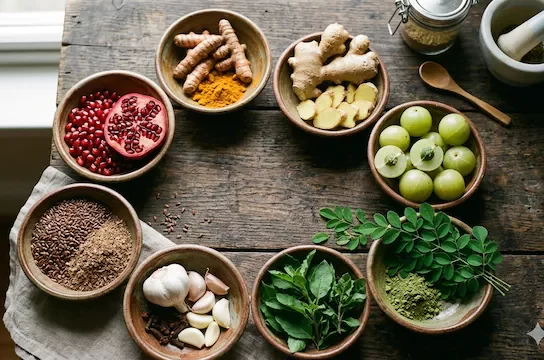
Inflammation is the immune system’s natural response to injury or infection. However, chronic inflammation can increase the risk of serious health problems. When the body continues in a state of high inflammation, it can trigger an overactive immune response that attacks healthy cells and tissues, causing pain, swelling, and other health problems. Chronic inflammation, when uncontrolled, has been related to a variety of illnesses, including heart disease, diabetes, cancer, and autoimmune disorders. However, certain foods have anti-inflammatory qualities that can aid in the management and reduction of inflammation in the body. Recently, a respected cardiologist provided a list of superfoods that can effectively reduce inflammation.
“Simple foods like turmeric, ginger, garlic, amla, flax seeds, and pomegranate can help support a healthy inflammatory response, one meal at a time. Food may not be medicine on its own, but it can certainly be part of the treatment plan,” Dr. wrote in the caption of the post.
Top anti-inflammatory foods
1. Turmeric
Turmeric or haldi contains curcumin, a powerful bioactive compound that supports healthy inflammatory pathways and neutralises free radicals in the body. It can effectively alleviate symptoms of arthritis and other inflammatory conditions. According to Dr. Chopra, one should have half to one teaspoon of turmeric daily. However, those on blood thinners should avoid high doses.
2. Ginger
Known for its warming and soothing properties, ginger has anti-inflammatory compounds called gingerols. These compounds can help reduce muscle pain, soreness, joint pain, swelling and digestive issues. Drinking ginger tea or incorporating fresh ginger in cooking can be a great way to harness its benefits.
3. Amla
Amla is an exceptionally rich source of vitamin C and polyphenols, making it rich in antioxidants. Its anti-inflammatory properties can support heart health and boost the immune system. Consuming fresh amla, amla juice, or powder can provide significant health benefits.
4. Moringa leaves
Moringa is packed with vitamins, minerals, and antioxidants. It is rich in antioxidants and phytonutrients that fight oxidative stress and inflammation. While moringa is highly nutritious, Dr. Chopra advises that pregnant women should seek medical advice before consuming it regularly.
5. Tulsi
Tulsi is revered in traditional medicine for its adaptogenic and anti-inflammatory properties. It can help reduce stress and inflammation in the body. Drinking tulsi tea or using fresh tulsi leaves can be beneficial.
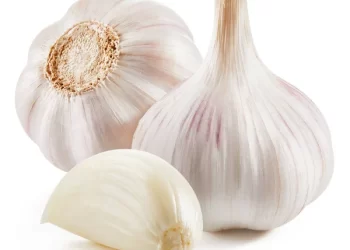
6. Garlic
It contains active compounds like allicin, which supports heart health and boosts the immune system. It can also effectively help manage inflammation. However, those with acid reflux should avoid garlic as it can worsen heartburn symptoms.
7. Flaxseeds
Flaxseeds are an excellent plant-based source of omega-3 fatty acids, which are essential for reducing systemic inflammation and supporting heart health. Ground flaxseeds can be easily added to smoothies, yogurt, or baked goods for an extra nutrient boost.
8. Pomegranate
Pomegranates are rich in antioxidants, particularly punicalagins and anthocyanins, which have been shown to lower inflammation and oxidative stress. Regular consumption of pomegranate juice or seeds can support heart health and help reduce inflammation throughout the body.
While including these foods in your diet can help manage and reduce inflammation, it is critical to seek medical attention to decrease inflammation and overall disease risk.
(Disclaimer: The article’s advice and recommendations are meant primarily as general information and should not be interpreted as expert medical advice. Before beginning any exercise program or making any dietary changes, always get advice from your doctor or a dietitian.)