






 Finance
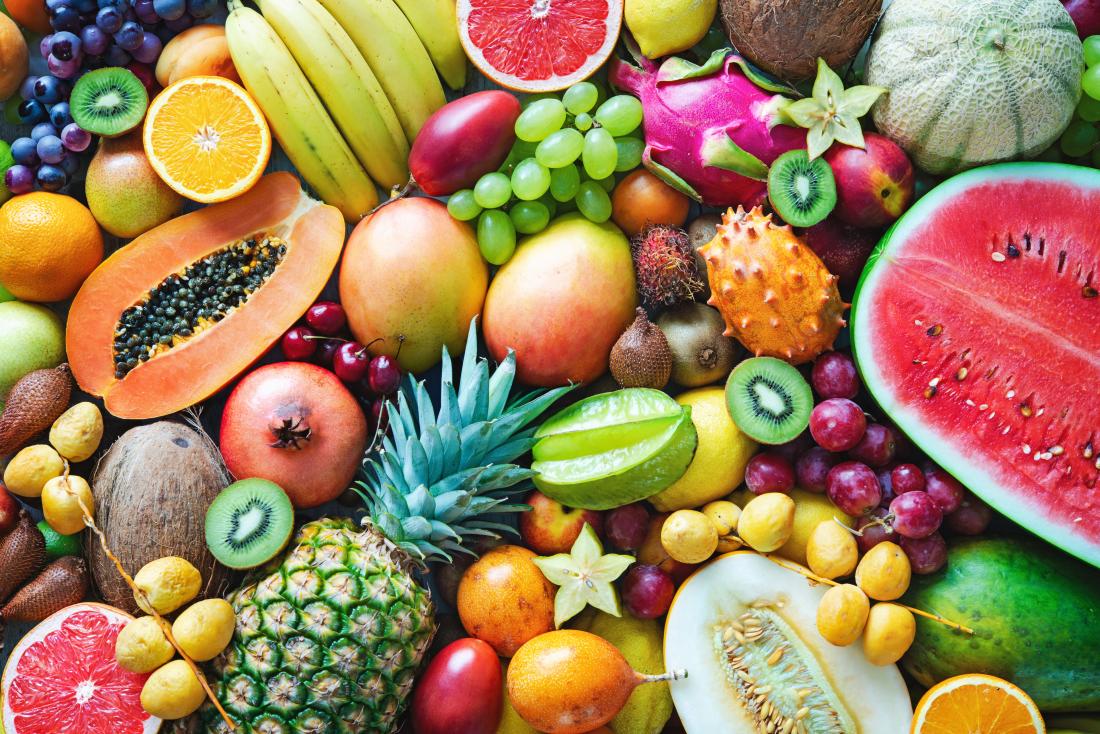
It is usual in Indian households to end a large lunch or dinner with a bowl of sliced mangoes, apples, or papaya as a healthier alternative to traditional sweets. While replacing refined sugary treats with nutrient-dense fruits is indisputably beneficial, time is frequently the source of heated discussion. A common misconception on the internet is that eating fruit immediately after a meal causes it to “rot” or ferment in the stomach, resulting in gas, bloating, and decreased digestion. But is there scientific proof to support this claim, or is it just another piece of wellness misinformation?
Debunking The “Fermentation” Myth
The concept that eating fruit immediately after a heavy meal causes fermentation is a misinterpretation of basic human digestive physiology. The human stomach secretes hydrochloric acid with a pH range of 1.5 to 3.5, which is far too acidic for bacterial fermentation to occur. When fruit is ingested with a meal high in complex carbs, proteins, and lipids, the stomach empties more slowly. However, this delay is a normal part of digestion, not a fault.
According to clinical data reported by nutritionists, the stomach is designed to easily handle mixed meals. “The idea that fruit rots in the gut if eaten after food is completely unfounded,” she says. “While the soluble fiber in fruit does slow down stomach emptying, this actually aids satiety and helps regulate nutrient absorption rather than causing gut putrefaction.”
According to a study published in the European Journal of Clinical Nutrition, soluble fibers like pectin found in apples and citrus fruits can naturally slow down gastric emptying. This mechanical slowdown is good to health because it reduces sudden surges in blood glucose levels.
What Happens When You Eat Fruit With Or After Meals?
While consuming fruit after meals is not harmful to most people, timing can affect digestion and metabolic health depending on individual physiology.
1. Slower Digestion, Better Satiety
When eaten on an empty stomach, simple sugars
in fruit are processed and emptied into the small intestine quickly. When eaten right after a meal, the fibre, protein, and fat from the main meal slow down this passage. This extended transit time keeps you full for longer, reducing late-afternoon snacking.
2. Blood Sugar Management
For individuals with Type 2 diabetes or insulin resistance, eating fruit immediately after a meal can have mixed effects. Pairing fruit with a meal containing healthy fats and protein moderates the glycaemic response, preventing sharp glucose spikes.
Research published in the Journal of Nutritional Science demonstrates that co-ingesting fruit fibre with meals improves overall postprandial glycaemic control compared to consuming isolated fast-acting sugars.
3. Potential For Bloating In Sensitive Individuals
Although fruit does not “rot”, consuming a large bowl of high-fructose fruit—such as watermelons, pears, or grapes that re on top of a full meal can cause abdominal discomfort in individuals with Irritable Bowel Syndrome (IBS) or sensitive digestive systems. The sudden volume overload combined with slow-digesting fructose can lead to temporary gas and distension.
When Is The Best Time To Eat Fruits?
Nutritionists recommend customizing fruit diet to personal digestive health and lifestyle goals in order to maximize nutrient absorption and avoid gut discomfort.
The Iron-Absorption Advantage
One significant advantage of combining fruits with main meals is increased vitamin absorption. Citrus, guava, and kiwi fruits are high in vitamin C, which increases the bioavailability of non-heme (plant-based) iron found in lentils, spinach, and whole grains.
Recommendations For Healthy Fruit Consumption
Nutritionists emphasise that overall daily intake matters more than strict timing windows.
- Listen to your body: If eating fruit immediately after lunch leaves you feeling heavy or bloated, shift your fruit bowl to a standalone mid-morning (11:00 AM) or mid-evening (4:00 PM) snack window.
- Control portions: Avoid consuming massive portions of fruit right after a calorie-dense meal. A small portion of berries or a single small apple is sufficient.
- Choose whole fruit over juices: Whole fruits preserve essential dietary fibre that regulates gut motility. Straining fruits into fruit juices strips away fibre, accelerating blood sugar spikes.
- Be mindful of gastro-oesophageal reflux (GERD): Citrus fruits like oranges and lemons consumed late at night can trigger acid reflux in susceptible individuals.
For the vast majority of healthy people, eating fruit right after a meal is completely safe, healthful, and far preferable to indulging in processed treats. Although it may slow stomach emptying, it does not cause intestinal fermentation or nutritional loss.
If you have a sensitive stomach or experience bloating, separating your fruit consumption by 1 to 2 hours after meals will help keep your digestion operating normally.
(Disclaimer: The article’s advice and recommendations are meant primarily as general information and should not be interpreted as expert medical advice. Before beginning any exercise program or making any dietary changes, always get advice from your doctor or a dietitian.)