







 Finance
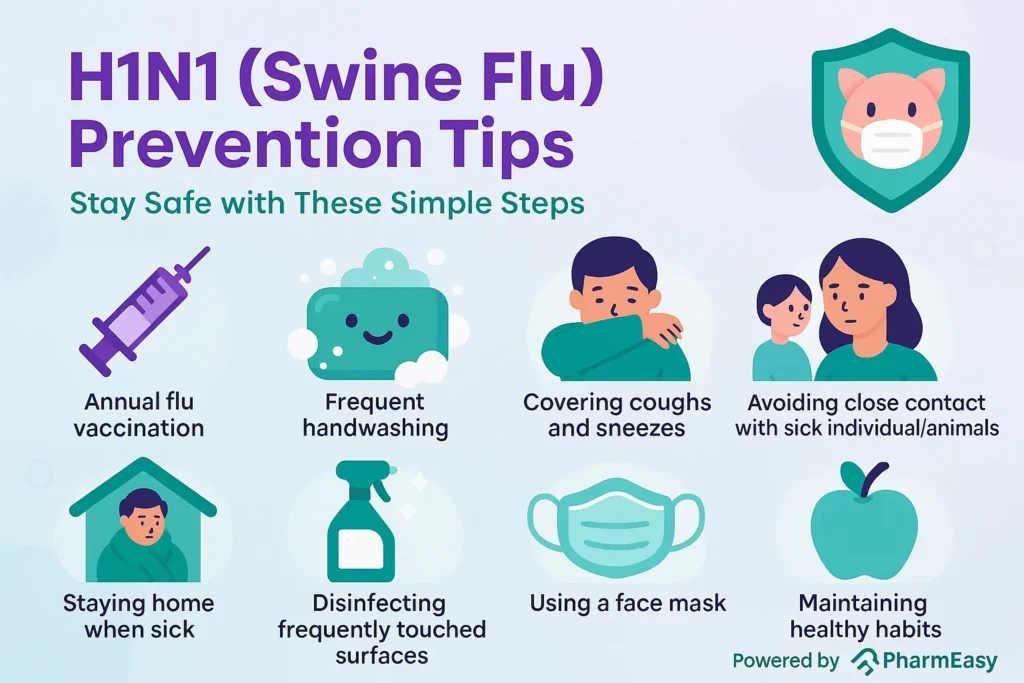
This season, the number of H1N1 influenza cases has increased dramatically. The nearly six-fold increase has brought seasonal flu back into the spotlight, especially since influenza is frequently dismissed as something that just has to run its course. While most people recover without medical assistance, the World Health Organization reports that influenza can sometimes cause severe illness, hospitalization, and death.
So, what precisely is H1N1, how does it spread, what symptoms should you look for, and when does flu require medical attention? Here’s what the World Health Organization says about seasonal influenza, including who is most vulnerable, how to prevent it, and what treatments may be required.
What is H1N1 influenza?
H1N1 is a subtype of influenza A. WHO says the influenza A viruses currently circulating in humans include A(H1N1) and A(H3N2). The A(H1N1) virus is also written as A(H1N1)pdm09 because it caused the 2009 pandemic and subsequently replaced the earlier A(H1N1) virus that had circulated before 2009.
Influenza itself is an acute respiratory infection caused by influenza viruses. There are four types, A, B, C and D, although influenza A and B are the types that circulate and cause seasonal epidemics in humans.
What are the symptoms of H1N1?
According to WHO, influenza usually appears suddenly rather than gradually. Common symptoms include fever, a dry cough, headache, muscular and joint discomfort, extreme fatigue or malaise, sore throat, and a runny nose. The cough can be fairly acute and last for two weeks or more.
Symptoms often appear two days after infection, however the incubation period can last from one to four days. Most patients recover from their fevers and other symptoms within a week.
How does H1N1 spread?
Influenza is easily transmitted from person to person. When someone with the flu coughs or sneezes, infectious droplets can enter the air and infect those close. The virus can also be transmitted thru hands infected with influenza viruses. Transmission can be faster in crowded environments.
When coughing or sneezing, the WHO suggests covering the mouth and nose with a tissue and washing your hands frequently. Staying at home while ill and avoiding direct contact with sick people can also assist prevent transmission.
Who is most at risk?
Influenza can affect people of all ages, but some groups are more likely to develop severe illness or complications. Pregnant women, children under the age of five, older adults, and people with chronic medical issues are all at a higher risk, according to WHO.
This includes persons who have chronic heart, lung, renal, liver, metabolic, neurological, or blood disorders, as well as those who have impaired immune systems or are undergoing therapies such as chemotherapy or steroids. Health and care personnel are also at a higher risk of infection due to their contact with patients.
Influenza can also exacerbate existing chronic conditions. In severe circumstances, it might result in consequences like pneumonia and sepsis.
When should you see a doctor?
Most people recover from moderate influenza at home. WHO suggests rest, plenty of water, and medication to alleviate symptoms such as fever. People should stay at home when sick to avoid spreading the infection to others, and seek medical attention if their symptoms worsen.
People who are at a higher risk of problems or experience severe symptoms should seek medical assistance. The World Health Organization recommends that high-risk individuals and those with severe influenza be treated with antiviral medications as soon as feasible.
According to WHO’s India advice, antiviral therapy administered within 48 hours of the onset of symptoms may decrease serious consequences and mortality.
Can antibiotics treat H1N1?
Antibiotics do not treat H1N1, which is caused by an influenza virus. According to the World Health Organization, antibiotics cannot treat influenza, although severe cases may necessitate the use of antiviral medications under medical supervision.
That distinction is important since taking antibiotics needlessly does not address viral infections.
How can you prevent H1N1?
The World Health Organization believes vaccination to be the most effective strategy to prevent seasonal influenza and lower the risk of severe illness. Influenza vaccines have been used for nearly 60 years, and the World Health Organization recommends annual immunization because immunity declines over time and influenza viruses evolve.
Annual vaccination is especially critical for pregnant women, children aged six months to five years, persons over the age of 65, those with chronic medical issues, and healthcare workers.
Simple safeguards also important. Wash and dry your hands frequently, cover your mouth and nose when coughing or sneezing, properly dispose of tissues, and refrain from touching your eyes, nose, or mouth. Staying at home when sick and avoiding contact with sick people can also help to limit the risk of transmission.
How is influenza diagnosed?
The majority of influenza cases are diagnosed clinically. Other respiratory diseases, such as SARS-CoV-2, respiratory syncytial virus, and rhinovirus, can elicit comparable flu-like symptoms, making it difficult to identify influenza from these illnesses based solely on symptoms.
Appropriate breath samples and laboratory testing can help to determine a clear diagnosis. According to the World Health Organization, RT-PCR is one approach for detecting influenza-specific RNA, although fast diagnostic procedures are also available but have lesser sensitivity.
How is H1N1 treated?
Most patients who are not at high risk receive treatment aimed at controlling symptoms while the body recovers. Rest, drinks, and treatment for symptoms like as fever are often recommended.
WHO recommends that patients at higher risk or with severe disease start antiviral medication as soon as feasible. Pregnant women, children under the age of five, persons over the age of 65, those suffering from chronic illnesses, and those with weakened immune systems are all at risk.
The main point is straightforward: H1N1 is a seasonal influenza virus that, for most otherwise healthy people, will not cause serious illness. However, it should not be taken lightly, especially if the infected person is in a high-risk group or develops severe symptoms.