







 Finance
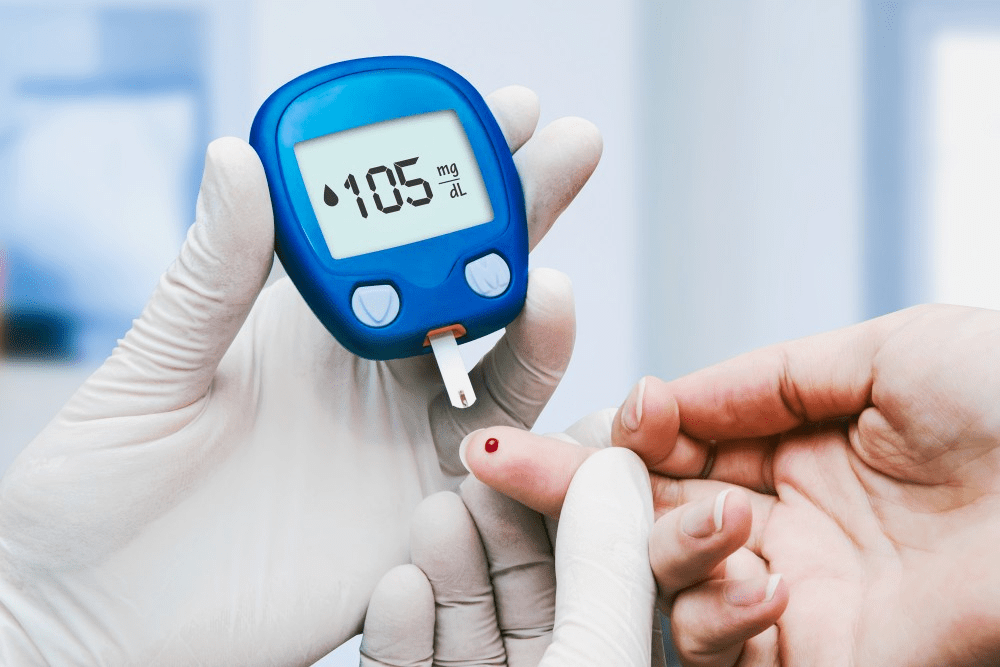
Maintaining stable blood sugar levels is critical for overall health, particularly for people who have diabetes or prediabetes. Healthy blood sugar levels help to prevent problems from the illness and increase mental clarity. Furthermore, stable blood sugar levels assist preserve energy throughout the day, minimizing weariness and enhancing overall quality of life. Various factors can influence blood sugar levels throughout the day. These include your food, meal timing, physical activity, stress, sleep quality, hydration, hormones, and health issues.
How to maintain healthy blood sugars throughout the day
Stable blood sugar requires a combination of smart nutrition, strategic meal scheduling, and regular lifestyle routines. Maintaining consistent glucose levels minimizes energy crashes, reduces cravings, and promotes long-term metabolic health.
1. Balance your meals
- Incorporate protein
Include lean proteins such as chicken, fish, beans, or tofu in your meals to slow down the absorption of carbohydrates.
- Healthy fats
Avocados, nuts, and olive oil can help stabilise blood sugar by slowing digestion.
- Fibre-rich foods
Vegetables, whole grains, and legumes are excellent sources of fibre that can help regulate blood sugar levels.
- Whole grains
Choose wheat, oats, quinoa, and brown rice over refined grains.
- Limit added sugars
Avoid sugary beverages, pastries, and processed snacks.
2. Choose low glycemic index foods
Opt for foods with a low glycemic index (GI), which are digested more slowly and cause a gradual rise in blood sugar. Examples include whole grains, legumes, and most non-starchy vegetables.
3. Focus on meal timings and sequencing
- Never skip breakfast
Eat within two hours of waking up to set your baseline.
- Sequence your plate
Eat vegetables first, protein and fats second, and carbohydrates last.
- Space meals evenly
Aim to eat every three to four hours to avoid dips.
- Control portion sizes
Use smaller plates to manage carbohydrate intake naturally.
- Smart snacking
Pair any fruit or carb snack with a handful of almonds or cheese.
4. Adjust your daily lifestyle habits
- Move after eating
Take a 10-minute walk immediately after eating to prevent spikes.
- Build muscle mass
Engage in resistance training three times a week to improve insulin sensitivity. Also, engage in physical activity for at least 150 minutes a week. Exercise helps improve insulin sensitivity and can lower blood sugar levels.
- Prioritise quality sleep
Aim for 7-9 hours of quality sleep per night. Poor sleep can disrupt insulin sensitivity and lead to fluctuations in blood sugar levels.
- Manage stress levels
Practice deep breathing or meditation to prevent stress-induced glucose spikes.
- Stay hydrated
Drink water consistently throughout the day to help the kidneys flush excess glucose.
5. Portion control
Monitor portion sizes to avoid overeating. Using smaller plates can help manage portions visually.
6. Monitor your blood sugar
Regularly check your blood sugar levels to understand how different foods and activities affect you, and adjust your habits accordingly.
Keeping your blood sugar constant requires a combination of healthy eating, regular physical activity, and deliberate lifestyle choices. It is critical to be aware of the factors that influence blood sugar levels and take actions to keep them under control. This not only helps with diabetic management, but it also benefits long-term health. If you have diabetes, please speak with your doctor for personalised advice.
(Disclaimer: The article’s advice and recommendations are meant primarily as general information and should not be interpreted as expert medical advice. Before beginning any exercise program or making any dietary changes, always get advice from your doctor or a dietitian.)