




 Finance
When people think of calcium, milk is typically the first meal that springs to mind. While milk is an excellent source of this bone-building mineral, it is not the sole alternative. Many traditional Indian cuisine have more calcium than a glass of milk. Incorporating a variety of these items into your meals will assist maintain healthy bones, muscles, and teeth, especially if you are lactose intolerant, vegan, or simply want to change up your diet.
Nutritionist recently shared an Instagram picture showing seven Indian dishes that contain more calcium than milk. According to her, making minor changes to your daily meals will help you get more calcium.
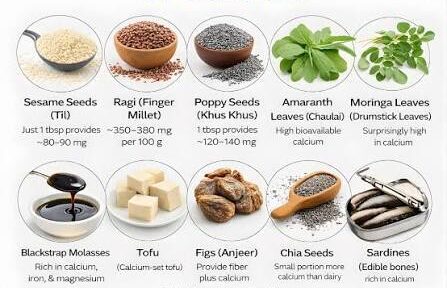
For comparison, milk contains around 125mg of calcium per 100g. Here are the foods Batra recommends:
- Sesame seeds (Til): 975mg per 100g
- Ragi (Nachni): 344mg per 100g
- Rajgira (Amaranth): 215mg per 100g
- Drumstick leaves (Moringa): 185mg per 100g
- Dried figs (Anjeer): 162mg per 100g
- Rajma (Kidney beans): 143mg per 100g
These foods not only provide calcium but also offer fibre, protein, vitamins and minerals that contribute to overall health.
Simple Ways To Add Them To Your Diet
Batra also shares easy tips to include these calcium-rich foods in your everyday meals:
- Til: Add it to chutneys, laddoos or sprinkle it over salads.
- Ragi: Replace wheat with ragi two times a week through rotis, dosa or porridge.
- Curry leaves: Instead of removing them from your food, eat them as they also contribute nutrients.
- Moringa leaves: Mix them into dal, soups or even smoothies.
- Rajgira: Use it not only during fasting but as a regular grain too.
- Rajma: Your favourite Sunday rajma meal provides more than just protein.
- Anjeer: Soak two dried figs overnight and enjoy them the next morning.
The conclusion from nutritionist’s article is simple: you don’t have to rely solely on milk to achieve your calcium requirements. Traditional Indian meals provide numerous healthful options. By incorporating a variety of nuts, grains, leafy greens, beans, and dried fruits into your diet, you may naturally increase your calcium consumption while eating healthy, everyday meals.
(Disclaimer: The article’s advice and recommendations are meant primarily as general information and should not be interpreted as expert medical advice. Before beginning any exercise program or making any dietary changes, always get advice from your doctor or a dietitian.)