







 Finance
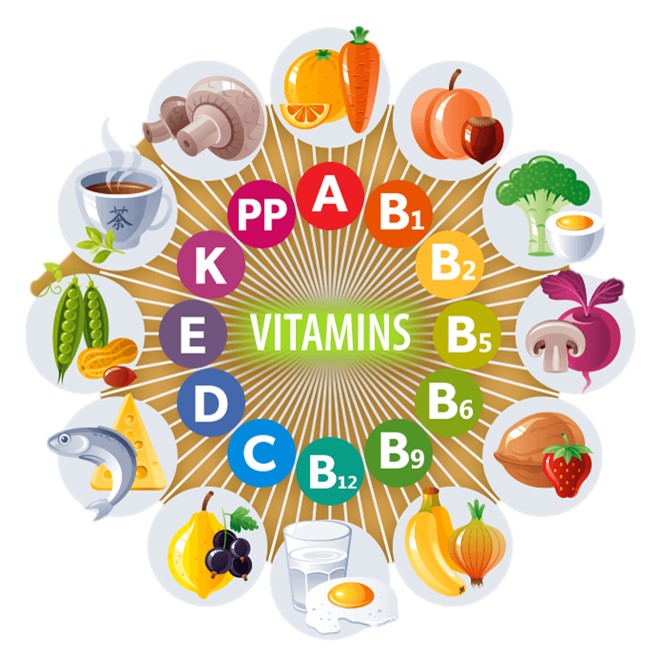
A regular vitamin consumption is critical for the internal health of the human body, but few people realize how different organs rely on specific nutritional intake. To function properly, the body’s organs require a variety of vitamins. A vitamin map of the body can help you understand how each organ requires vitamins to maintain long-term health and prevent nutrient shortages. According to research published in the Nutrients journal, vitamins are vital for the cellular health of your organs. A shortage of certain nutrients can increase your risk of disease, resulting in lower health outcomes. It is important to highlight that vitamin deficiencies do not cause obvious symptoms but instead have a long-term impact on organ function.
Why Vitamins Matter For Organ Health
The body requires a constant supply of different vitamins to support organ activities. According to research published in Nutrition Research, vitamins are a class of chemical molecules that are required by the body for physiological function. Each has a specific role, and its presence in your body effects your total nutrition. These vitamins help organs function by providing energy, mending cells, boosting immunological defense, and promoting cellular regeneration.
What Happens During Vitamin Deficiency?
When you are deficient in these vitamins, your body can suffer from side effects such as the following:
- Fatigue
- Poor immunity
- Brain fog
- Organ dysfunction over time
Brain – Needs Vitamin B12, Vitamin D And Omega-3
According to research published in The Journal of Alzheimer’s Disease Prevention, the brain requires vitamin B12, vitamin D, and an abundance of omega-3 fatty acids (3, 6, and 9) to function properly. These nutrients work together to sustain neuronal transmission inside the brain. These nutrients also aid memory and focus because the brain is able to obtain the resources it need to function properly. Another lesser-known benefit of these nutrients is their ability to regulate mood, which can be severely impacted by external influences.
You can get your daily source of vitamin B12, vitamin D, and omega-3 from these food sources:
- Eggs
- Dairy products
- Fatty fish
- Fortified foods
Note: Each individual has a different foundation baseline that influences how much of these nutrients their body can extract from the food sources. Consult a nutritionist or a dietician for the right approach that can work for you.
Eyes – Need Vitamin A, Vitamin C And Vitamin E
Research published in the Clinical Ophthalmology journal points to consuming enough vitamin A, vitamin C, and vitamin E for your eye health. These vitamins play a role in keeping your vision functioning optimally. Your eye health may deteriorate over time due to oxidative stress, and to support it, your dietary sources matter.
Role in Vision Health
Vitamin A is crucial for your eye health, as it creates rhodopsin, which is a light-sensitive pigment in the retina that allows people to see in low-light conditions. Furthermore, it protects from damage that can happen due to oxidative stress, which damages the outermost layer of the retina over time. If you happen to be deficient in these essential eye-health-determining vitamins, then you can suffer from the following:
- Night blindness (nyctalopia)
- Dry eyes
- Conjunctival dryness (xerosis)
- Corneal damage
- Progressive vision loss in severe cases
Best Foods Sources Of Eye-Healthy Vitamins
Natural food sources of vitamins A, C, and E can be present in the following:
- Carrots
- Sweet potatoes
- Spinach
- Citrus fruits
Note: These vitamins need to be first checked in your body by performing a medical blood work panel. Only after a medical test that shows the exact vitamin levels can you consult a doctor for the right approach to increase the level of the vitamins needed by your body.
Heart – Needs Vitamin D, B Vitamins And Magnesium
Research published in the International Journal of Molecular Sciences highlights that the heart needs an adequate dose of vitamins D and B and magnesium for it to be healthy. The different heart markers need a constant supply of vitamins that can lower any potential inflammation, which may affect the heart arteries.
How They Support Heart Health
Vitamin D is responsible for the absorption of other nutrients in the body, and most of the Indian population is deficient in it. The overall deficiency of this vitamin affects heart health as well as other organs. B-group vitamins and magnesium also serve a similar purpose as their level in the body strengthen different types of hearts. Mainly, these vitamins support:
- Blood vessels function as the heart needs to pump blood throughout the body.
- Energy metabolism that influences the entire level of energy throughout the day.
- Blood pressure regulation, as your blood pressure levels need to be balanced for optimal health.
Heart-Healthy Foods To Include In Your Diet
A natural dose of vitamins D and B and magnesium can be extracted from these food sources:
- Nuts
- Seeds
- Fish
- Whole grains
Lungs – Need Vitamins C, D, And E
Research published in the Food Science and Nutrition journal suggests that vitamins C, D, and E are needed for overall lung health. Vitamin C supports immune cell functioning, vitamin D supports the absorption of all nutrients in the body, and E provides protection from oxidative stress. Another benefit of vitamin C is its ability to lower white blood cell (WBC) counts and function as an anti-inflammatory.
Best Dietary Sources Of Vitamins C, D And E.
- Bell peppers
- Citrus fruits
- Mushrooms
- Almonds
Liver – Needs Vitamins B Complex, E And Choline
Research published in Frontiers in Nutrition Journal shows your liver needs vitamin B complex, E, and choline to function properly. Liver function depends on these nutrients, as they aid in making the pathways of the liver function properly. A supply of these nutrients is responsible for fat metabolism and overall energy production.
Best Liver-Healthy Foods
- Eggs
- Legumes
- Whole grains
- Nuts
Kidneys – Need Vitamin B6, Vitamin D And Antioxidants
The Nutrients Journal pinpoints that kidneys need an intake of vitamins B6 and D and plenty of antioxidants. These nutrients help support overall kidney function by making sure that there is a mineral balance and that enough red blood cells are being produced in the body. Along with this, it can aid in making the kidneys better at filtering and removing waste much more effectively. Vitamin D is crucial to almost every organ in the body, but for the kidneys, it functions as calcitriol.
Kidney-Friendly Food Sources
- Bananas
- Fish
- Leafy greens
- Berries
Gut – Needs Vitamins D, B12, And folate
Research published in the Endocrine and Metabolic Science Journal highlights that the gut needs vitamin D, B12, and folate to function properly. The gut microbiota benefits from these vitamins, and they make it better at performing its functions in a better manner.
Gut-Friendly Foods To Eat
- Yoghurt
- Fermented foods
- Green vegetables
- Lentils
Skin – Needs Vitamins A, C And E
Research published in the Pharmacological Reports suggests that vitamins A, C, and E are needed for optimal skin health. These vitamins aid in collagen production and protect the body against free radical damage.
Best Sources Of Skin-Healthy Foods
- Tomatoes
- Citrus fruits
- Nuts
- Carrots
Bones – Need Vitamin D, Vitamin K And Calcium
According to research published in the Nutrients journal, the presence of vitamin D, K, and calcium in the body promotes bone health. These vitamins are required for improved calcium absorption and mineralization in the bones.
Foods To Include For Bone Health
- Dairy products
- Leafy greens
- Fortified foods
Your entire body requires a steady supply of vitamins appropriate to each organ. Their dosage and delivery method vary according to your body’s absorption capacity.
(Disclaimer: The article’s advice and recommendations are meant primarily as general information and should not be interpreted as expert medical advice. Before beginning any exercise program or making any dietary changes, always get advice from your doctor or a dietitian.)