







 Finance
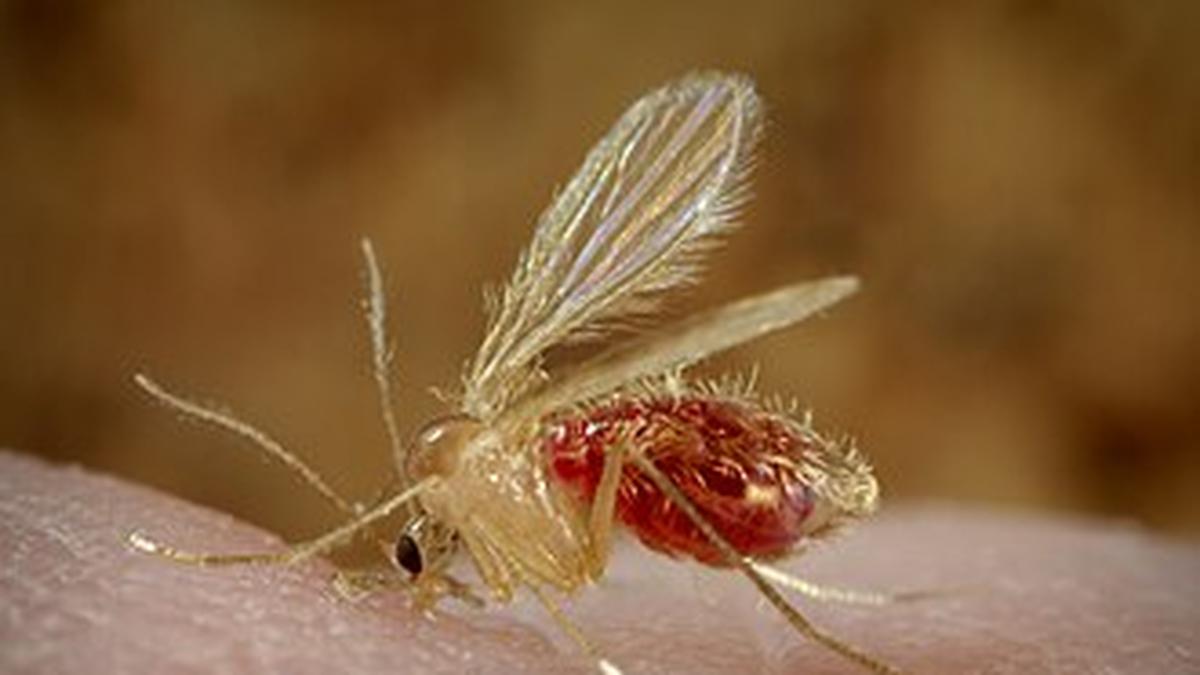
The recent outbreak of Chandipura virus infections in Gujarat has frightened many parents and healthcare experts. According to the state health department, 22 children have died, and 35 of the 184 probable cases have tested positive for CHPV infection. All confirmed cases include youngsters under the age of 15.
Although this virus has been known for a long time, it frequently reappears during the monsoon season, when insects that transmit the sickness become more active. Health experts have also stated that, while no antiviral medicine or vaccine is now available for the virus, early detection of symptoms is critical.
What is Chandipura virus?
According to the World Health Organization (WHO), Chandipura virus (CHPV) belongs to the Rhabdoviridae family and causes Acute Encephalitis Syndrome (AES) in western, central, and southern India, particularly during the monsoon season.
The virus was first isolated in 1965 from Chandipura village in Maharashtra’s Nagpur area, from which it derives its name.
The condition most commonly causes encephalitis (brain inflammation) and affects youngsters under the age of 15.
How does Chandipura virus spread?
Unlike illnesses that spread directly from person to person, Chandipura virus is transmitted through the bites of infected insects.
According to WHO, the virus is mainly spread by:
- Sandflies
- Mosquitoes
- Ticks
In Gujarat, the sandfly Phlebotomus papatasi has been identified as the primary vector responsible for transmission.
Poor sanitation, improper waste disposal and housing conditions that allow insects to breed can increase the risk of infection.
What are the symptoms of Chandipura virus?
According to Max Healthcare, the infection often begins with flu-like symptoms before progressing rapidly in severe cases.
Early symptoms include:
- High fever
- Severe headache
- Fatigue
- Body and muscle aches
- Vomiting
As the illness worsens, some patients may develop:
- Persistent cough
- Shortness of breath
- Convulsions (seizures)
- Altered consciousness
- Coma
- Encephalitis (brain inflammation)
WHO notes that in children, the disease can progress very quickly, sometimes resulting in severe complications or death within 48 to 72 hours of symptom onset.
Why are children at greater risk?
According to WHO, Chandipura virus infections are more common in children under the age of 15.
It is recommended that if a kid gets a fever associated with neurological symptoms such as seizures, confusion, or loss of consciousness, they be taken to a hospital right once, especially during the rainy season.
Is there any treatment?
Currently, there is no particular antiviral medication or vaccine for Chandipuravirus.
However, according to the World Health Organization, early discovery, rapid hospitalization, and supportive care can improve survival rates. Prompt therapy is crucial because individuals may develop brain inflammation and organ damage.
How can you protect yourself and your family?
Since the virus spreads through insect bites, prevention focuses on reducing exposure to vectors.
WHO recommends:
- Preventing sandfly, mosquito and tick bites
- Keeping homes and surroundings clean
- Proper waste disposal to reduce insect breeding
- Using mosquito nets and insect repellents
- Wearing full-sleeved clothing, especially during the evenings
- Supporting local vector-control measures, including insecticide spraying
Parents should seek emergency medical attention if their kid gets a rapid fever accompanied by vomiting, seizures, or extreme sleepiness.
Although Chandipura virus infections are uncommon, they can be fatal, particularly in young infants, if treatment is delayed. This is especially crucial during the monsoon season, when cases tend to spike.
(Disclaimer: The article’s advice and recommendations are meant primarily as general information and should not be interpreted as expert medical advice.)