





 Finance
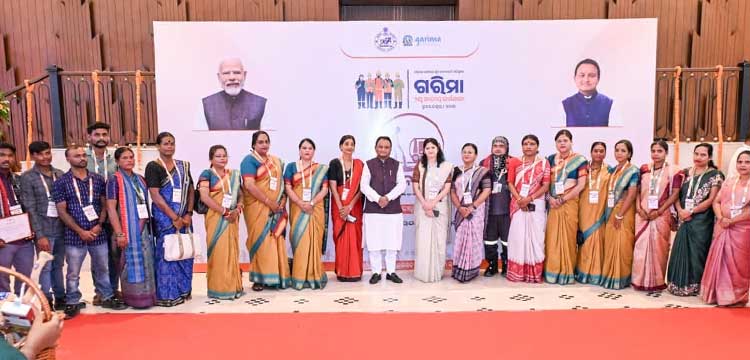
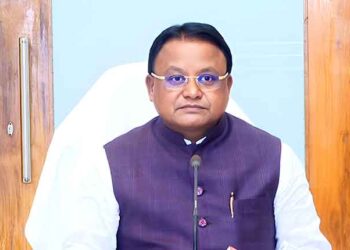
On GARIMA Diwas, Odisha Chief Minister Mohan Charan Majhi appealed on Saturday for a coordinated effort to ensure zero deaths in sanitation work, emphasizing the importance of prioritizing sanitation workers’ safety and dignity through mechanization and contemporary technology.
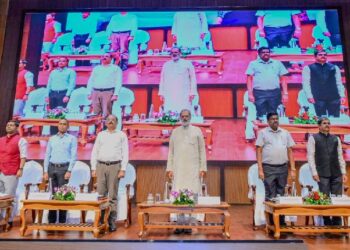
Majhi said the 2nd National Workshop on GARIMA at the Lok Seva Bhawan Convention Center here that clean cities, a safe environment, and the safety of sanitation workers were critical to creating a ‘Samruddha Odisha’.
The workshop, held to commemorate GARIMA Diwas 2026, centered on the theme ‘Mission Zero: Ending Fatalities in Sanitation Work’. The event was attended by sanitation experts and authorities from eight states, in addition to sanitation personnel.
Highlighting the need to reduce hazardous manual cleaning, the Chief Minister stated that India is making tremendous advances in robots, artificial intelligence, and other emerging technologies, and questioned why such innovations could not be used to protect sanitation workers.
He emphasized the necessity of mechanization under the Centre’s NAMASTE (National Action for Mechanized Sanitation Ecosystem) project and urged sanitation personnel to receive sufficient training in order to operate contemporary equipment efficiently.
“Today is the time to prioritise the safety of sanitation workers and use machines for dangerous cleaning work,” Majhi said.
Emphasising the philosophy behind Mission Zero, the Chief Minister said the focus should be on preventing accidents rather than providing compensation after fatalities.
“Our goal is not to compensate for the loss. Our goal is not to help after death, but to protect before death. It is not to compensate after an accident, but to prevent accidents before they happen,” he said.
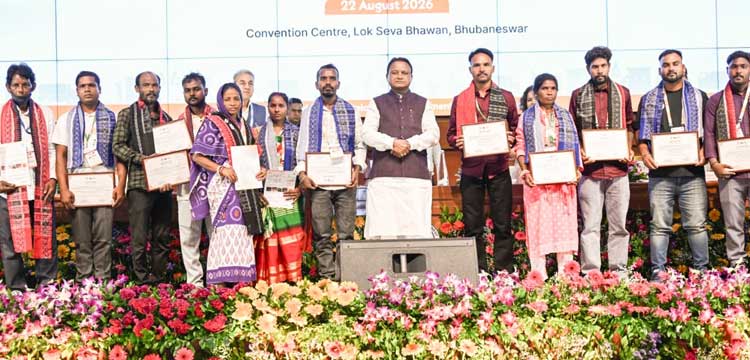
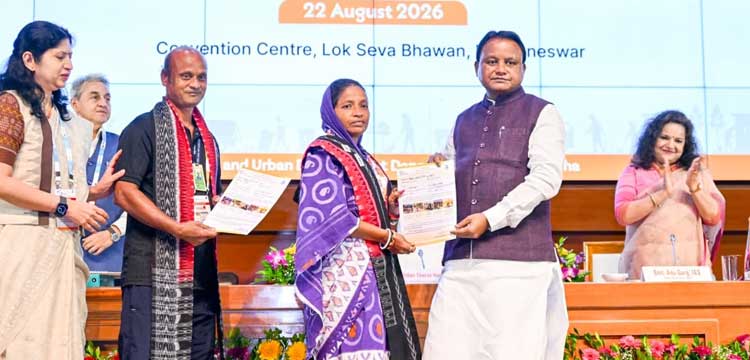
On the occasion, Majhi handed over Rs 10 lakh in insurance assistance to the wife of late sanitation worker Pratap Dalai. He said the government wanted to ensure the safety of workers engaged in dangerous occupations.
The Chief Minister also opened and toured an exhibition of advanced technology devices and safety equipment for sanitation operations. He distributed work orders for dwellings to sanitation staff.
Senior government authorities as well as sanitation experts attended the training.
Sudhansh Pant, Secretary of the Union Social Justice Department, praised Odisha’s initiatives to improve sanitation workers’ safety, economic development, and wellbeing. He claimed that by implementing the Garima Yojana, the state had set a good example for others.
Chief Secretary Anu Garg stated that sanitation workers were accountable for keeping cities clean and reaffirmed the state government’s commitment to achieve zero fatalities in sanitation work.
“Zero fatality is not just a slogan for us; it is a resolution,” Garg said, adding that the government would take all necessary measures to ensure the safety of sanitation workers.
Manvita Baradi, Director of the Urban Management Center, commended Odisha’s Garima initiative, saying it was designed not only to benefit sanitation workers but also their families.
Usha Padhee, Additional Chief Secretary, Housing and Urban Development Department, welcomed the participants, while Arindam Dakua, Director of Municipal Administration, submitted the vote of gratitude.