






 Finance
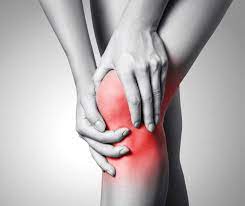
Arthritis is a condition characterized by cartilage eburnation, which causes swelling, stiffness, and discomfort in joints. Inflammation in the joints causes a decrease in range of motion. The onset of symptoms can be rapid or gradual, depending on the stage and kind of arthritis. Primary osteoarthritis and rheumatoid arthritis are the most frequent types of osteoarthritis. Other causes of arthritis include spondyloarthropathies, lupus erythematosus, psoriatic arthritis, infectious and reactive arthritis, and gout.
What does winter do to your arthritis?
Arthritis patients have additional challenges during the winter. With a reduction in temperature, vessels narrow, causing stiffness, swelling of joints, and weariness. Furthermore, their joints react to the accumulation of pro-inflammatory molecules, making the situation more complex. The Arthritis Foundation also emphasizes that cold weather can make symptoms worse.
What causes arthritis to flare up during winter?
- During winters, the cold temperature slows down blood circulation, causing substance pain and other pro inflammatory mediators’ accumulation causing muscle spasms and increased sensitivity and pain.
- The pain receptors in our body get more sensitive due to low temperatures, causing more discomfort in arthritis patients.
- The inflammatory process causes swelling, which builds tension between the joints.
- During winter, the body is devoid of necessary vitamin D due to less sunlight, which weakens bones and joints, thus aggravating arthritis pain.
Arthritis Pain Relief Tips for winter
Do you often dread the start of winter? Cold weather can be difficult for persons with arthritis. Reduced temperature and barometric pressure can promote joint swelling, exacerbating pain and discomfort. We can alleviate the agonizing pain and suffering caused by arthritis with the right medicine and lifestyle changes.
Regardless of the climate, here are some simple solutions that can provide relief from arthritic discomfort.
1. Appropriate diet:
Consuming a nutritious diet is essential for maintaining excellent health. A well-balanced, nutrient-dense diet helps us fight disease and stay healthy. The most important step in controlling arthritis pain is to improve the immune system and strengthen the bones and joints.
Include Omega 3 fatty acid-rich foods in your regular diet, such as fish, cod liver oil, beans, soy, almonds, and flax seeds. These foods contain eicosapentaenoic acid (EPA) and docosahexaenoic acid (DHA), which aid to reduce inflammation and swelling of joints.
Limit your intake of carbohydrates, sweets, dairy, smoke, and alcohol. These foods promote inflammation, which aggravates arthritis symptoms.
2. Keep fit:
Keeping exercising and maintaining a healthy body weight will help you manage arthritis pain more successfully. Obesity and extra body mass have an unfavorable effect on the bones and joints. Being overweight puts strain on the knees, spine, and hips, particularly in persons who have osteoarthritis. A nutritious diet, combined with frequent exercise like walking, can help you maintain your weight successfully.
3. Stay hydrated:
Dehydration can increase our sensitivity to pain. Staying hydrated is one of the most important aspects in arthritis management. Maintaining proper body fluid levels aids in the elimination of contaminants. Furthermore, hydration reduces the amount of friction in the joints, allowing persons with arthritis to move more comfortably.
4. Stretch out, get going:
Regular physical activity is essential for managing arthritis discomfort. Stretching out helps in relaxing the muscles and stiff joints. Exercising frequently improves flexibility and keeps joints happy. Furthermore, physical activities keep the body warm, which reduces the impact of cold weather. Mild exercises, such as bending the knees, rolling the ankles and wrists, extending the fingers and toes, and so on, assist to make the joints and muscles more flexible, which helps to relieve arthritis pain.
5. Keep yourself warm
Warm apparel will keep you cozy during the cold. Keep your arms and legs covered. Scarves, gloves, or jackets may be worn according to your comfort level. To keep you warm, you can use room heaters, electric blankets, or heated pads. Consider using a hot water bag to help release your joints and relieve stiffness.
6. Arthritis Pain Relief Medication
While following these arthritis pain management strategies can be beneficial, seeking proper medical advice is crucial in treating the condition.
Vitamin D deficiency worsens arthritis and raises the likelihood of developing osteoarthritis. Consult your physician about Vitamin D pills. When treated early on, inflammatory arthritis can be effectively managed. Hence, taking appropriate medical advice is very essential.
Conclusion:
Arthritis is one of the few diseases with no permanent cure. However, as medicine has advanced, arthritis medication has been more effective in managing the condition. Furthermore, taking proper care in terms of nutrition and daily routine would be extremely beneficial in coping with arthritis. It is always better to prevent than to cure. A balanced diet and regular exercise always help to strengthen the body, both on the inside and out.