




 Finance
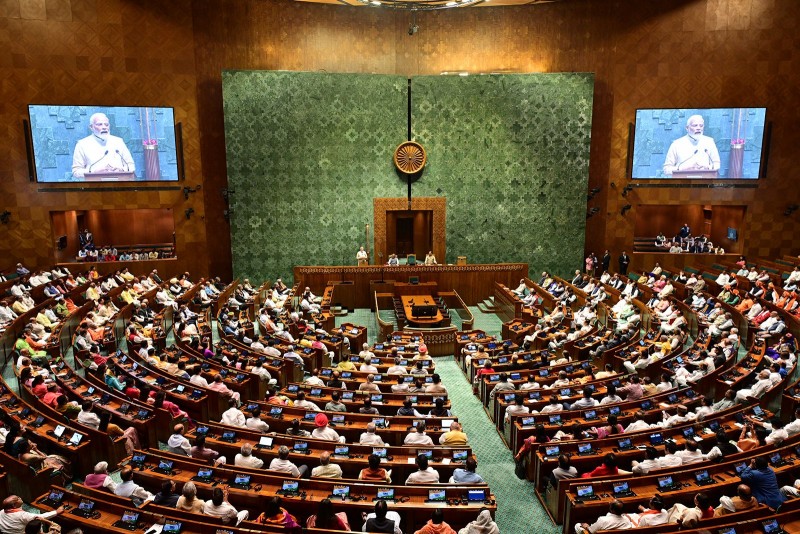
The government submitted a Bill to amend the anti-paper leaks law in the Lok Sabha on Monday in response to widespread student demonstrations, which provides for a 10-year jail term and a Rs 50 lakh fine for those guilty of such leaks. Jitendra Singh, Minister of State for the Prime Minister’s Office, tabled the Bill in Lok Sabha after opposition MPs demanded a response from the government to inquiries about alleged excesses during the July 20 protest march to Parliament. The Cockroach Janta Party (CJP), which organized the rallies against the document leaks, achieved a major victory when Union Education Minister Dharmendra Pradhan resigned on Saturday.
What the revised law says
The Public Examinations (Prevention of Unfair Means) Amendment Bill, 2026, revises the Public Examinations (Prevention of Unfair Means) Act, 2024. The new legislation establishes a two-month timeline for completing the inquiry into paper leak incidents. Individuals engaging in unfair tactics, including paper leaks, will now face a five- to ten-year sentence, up from three to five years in the 2024 Act. The penalties, previously set at Rs 10 lakh, has been increased to Rs 50 lakh. If the crime is determined to be organized, the Bill calls for a minimum sentence of seven years and a fine of up to Rs 10 crore. The draft legislation lists 15 illicit acts as offenses, including leaking exam papers, tampering with OMR sheets, creating fraudulent websites, and issuing phony admit cards.
According to the Bill, states and union territories will be able to establish fast-track courts that can complete trials within three months of submitting the chargesheet. The Centre, it claims, will be given the authority to form a special task force to investigate some paper leak situations.
Bill tabled amid chaos
The Bill was introduced amid chaos in the House, with opposition members raising shouts against alleged excesses during the crackdown on demonstrators in Delhi. Lok Sabha Speaker Om Birla invited members to join in the discussion. “It is the first step towards improving the public examination process. Instead of sloganeering, you should discuss the Bill in the House. The government will try and incorporate the improvements suggested by you,” he said. When the opposition continued to protest, the Speaker adjourned the House until 2 p.m. When the House reconvened, the demonstrations continued, and the proceedings were adjourned until 5 p.m.
The first week of the Monsoon Session, which began on July 20, was washed out by widespread rallies calling for Pradhan’s resignation. The opposition joined the protestors at Delhi’s Jantar Mantar and elsewhere in demanding the minister’s resignation. Pradhan eventually stepped down on Saturday. The Opposition has now turned its attention to Union Home Minister Amit Shah, who oversees Delhi Police, and the alleged abuses, such as the deployment of pellet guns, during the crackdown on demonstrators.
The government, on the defensive, has also announced the formation of a task force chaired by Infosys co-founder Nandan Nilekani to propose improvements to make the public test system leakproof.
Source: IE