




 Finance
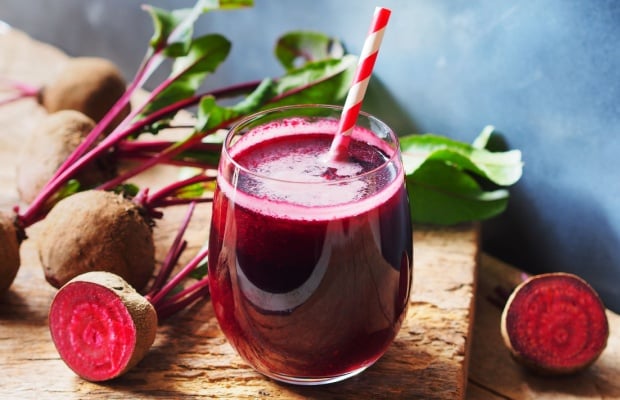
Beetroots have a good nutritional profile, containing several vital vitamins, minerals, and antioxidants. They also contain unique bioactive molecules known as betalains, which may be beneficial to one’s health.
People may experience these health benefits from eating whole beetroots or drinking their juice.
1. Good nutritional profile-
Beetroot juice contains a wide range of essential vitamins and minerals. Drinking this vegetable juice regularly may help prevent deficiencies in these nutrients.
Beet juice contains the following nutrients per one cup or 248 grams (g):
- 62 calories
- 1.79 g protein
- 0.15 g fat
- 14.7 g carbohydrates
- 2.7 g fiber
- 1.4 milligrams (mg) iron
- 25 mg magnesium
- 317 mg potassium
- 0.5 mg zinc
- 6 mg vitamin C
- 65 micrograms (mcg) folate
However, it is worth noting that the specific nutritional makeup of beetroot juice may depend on the brand and any extra ingredients.
2. Improving blood pressure
A growing body of research suggests that beetroots can help lower a person’s blood pressure. Some researchers believe that this is due to their nitrate content.
Beets naturally contain large quantities of nitrates, which the body converts into nitric oxide. This compound dilates the blood vessels, which improves blood flow and lowers overall blood pressure.
In a 2019 studyTrusted Source, researchers gave participants 70 milliliters (ml) of either nitrate-rich beetroot juice or a nitrate-depleted placebo juice.
The blood pressure of those in the test group decreased by 5.2 millimeters of mercury (mm Hg) more than that of those in the placebo group after 30 minutes. However, the effect of the concentrated beetroot juice subsided within 24 hours.
A 2024 review of 11 trials involving 349 people suggests that 200 to 800 mg of nitrate from beetroot juice daily may reduce systolic blood pressure in people with hypertension.
However, the researchers highlight that the evidence is of low certainty.
3. Reducing inflammation
Beetroot juice contains anti-inflammatory compounds called betalains.
A 2024 trial tested the effects of beetroot juice compared with a placebo on 31 adults ages 20 to 60 with long COVID.
The authors found that beetroot juice had beneficial effects on inflammatory markers even though it did not cause significant improvements in long COVID outcomes.
A small 2024 study investigated the effects of a mixed beet supplement on inflammation during post-exercise recovery in 20 cyclists.
The results suggested that 2 weeks of nitrate ingestion from the supplement helped to moderate protein biomarkers of inflammation due to exercise in athletes.
Beetroots contain iron, an essential component of red blood cells. Without iron, red blood cells cannot Trusted Source transport oxygen around the body.
People who have low iron levels can sometimes develop a condition called iron deficiency anemia. Adding sources of iron to the diet can reduce the risk of this condition.
The symptoms of iron deficiency anemia include:
- fatigue
- dizziness
- shortness of breath
- headaches
- rapid heartbeat
A cup of beet juice contains 1.41 mg of iron, which is around 8% of the current recommended daily value of Iron.
5. Protecting the liver
A 2023 study examined the effects of beetroot juice and the Mediterranean diet on 180 people with nonalcoholic fatty liver disease (NAFLD).
People who drank beetroot juice alone or combined beetroot juice with a Mediterranean diet over 12 weeks had significant reductions in hepatic steatosis, excess fat in the liver. Beetroot juice combined with the Mediterranean diet had enhanced efficacy for NAFLD.
The researchers concluded that beetroot juice has potential in treatment for NAFLD, though more research is necessary.
Certain compounds in beetroot juice, such as nitrates and betalains, may improve athletic performance.
For example, a 2018 study looked at the effects of betalain on 28 trained male cyclists. The cyclists received 100 mg of either beetroot concentrate or placebo every day for a week.
Compared with the placebo group, the beetroot concentrate group had higher exercise efficiency and increased blood flow.
According to a 2024 mini review, some research suggests that beetroot juice may be more effective than nitrate salts at enhancing exercise-related outcomes. However, more research is necessary.
7. Preventing cancer
A 2021 review suggests that beetroot juice may have the following effects on cancer:
- stopping tumor cell growth
- inhibiting angiogenesis — the formation of new blood vessels
- triggering cell death
- autophagy — a process involving the breakdown and recycling of old cells
It is worth noting that current research does not involve studies on humans. The current evidence comes from test tube and animal studies.
However, it is important to note that while beetroot juice may show some cancer-preventive effects, it cannot treat or prevent cancer.
Research in the 2021 review suggests that beetroot juice may also benefit cognitive function.
For example, a 2021 study examined the effects of two doses of nitrate-rich beetroot juice on taekwondo athletes.
The group that took beetroot juice containing 400 mg of nitrate showed higher cognitive function than the placebo group and the group that took beetroot juice with 800 mg of nitrate.
Beetroot juice dosage
There are currently no formal dosage recommendations for beetroot juice. The amount of beetroot juice and its nutritional value varies between clinical trials.
However, according to a 2024 review, consuming 200 to 800 ml of beetroot juice daily may reduce blood pressure in persons with hypertension.
Side effects of beetroot
In most circumstances, people can safely consume beets or drink beetroot juice without having any negative consequences.
Because of the natural colors included in beets, drinking beetroot juice can alter the color of urine and feces. People may notice pink or purple pee (beeturia) and pink or purple feces. These hue changes are usually only transitory and do not cause any concern.
Nitrates in beetroot juice may also alter blood pressure. Anyone who has low blood pressure or is presently on blood pressure medication should consult with a doctor before incorporating beets or beetroot juice into their diet.
Beets have high quantities of oxalates, which can lead to kidney stones in persons at high risk.
Conclusion
Beetroots are a healthy complement to most diets. Beetroots can provide health benefits when eaten raw, cooked, or juiced.
Beetroot juice may improve heart, liver, and brain health and function. It may also increase blood flow and boost athletic performance.
People using blood pressure medication should consult a doctor before adding extra beets to their diet.Beetroot