






 Finance
Rising temperatures during the summer raise the danger of dehydration and heat exhaustion. Our bodies naturally shed more fluids through perspiration, so it’s critical to replenish lost water and nutrients throughout the day. While drinking plenty of water is crucial, certain fruits can also help you stay hydrated. Fruits with a high water content include natural fluids, vitamins, and minerals that promote general wellness in hot weather.
We urge people to follow seasonal dietary practices that promote hydration and general health. Including water-rich fruits in your daily diet can help maintain fluid balance, aid digestion, and give critical nutrients that help the body manage with heat more successfully during the summer.
Why Hydration is Important During Summer
Maintaining hydration is especially crucial during the summer, when the body loses considerable amounts of fluid through perspiration. Individuals who do not refill their fluids adequately may develop weariness, headaches, dizziness, and difficulty concentrating. Proper hydration promotes temperature regulation, circulation, and organ function.
Hydration is more than just drinking water; it also includes eating meals that help with fluid intake. Fruits having a high water content restore lost fluids while providing vitamins, antioxidants, and minerals. Consuming hydrated foods on a regular basis during the summer can help to boost energy and lower the risk of dehydration-related pain.
Watermelon – A Natural Hydration Booster
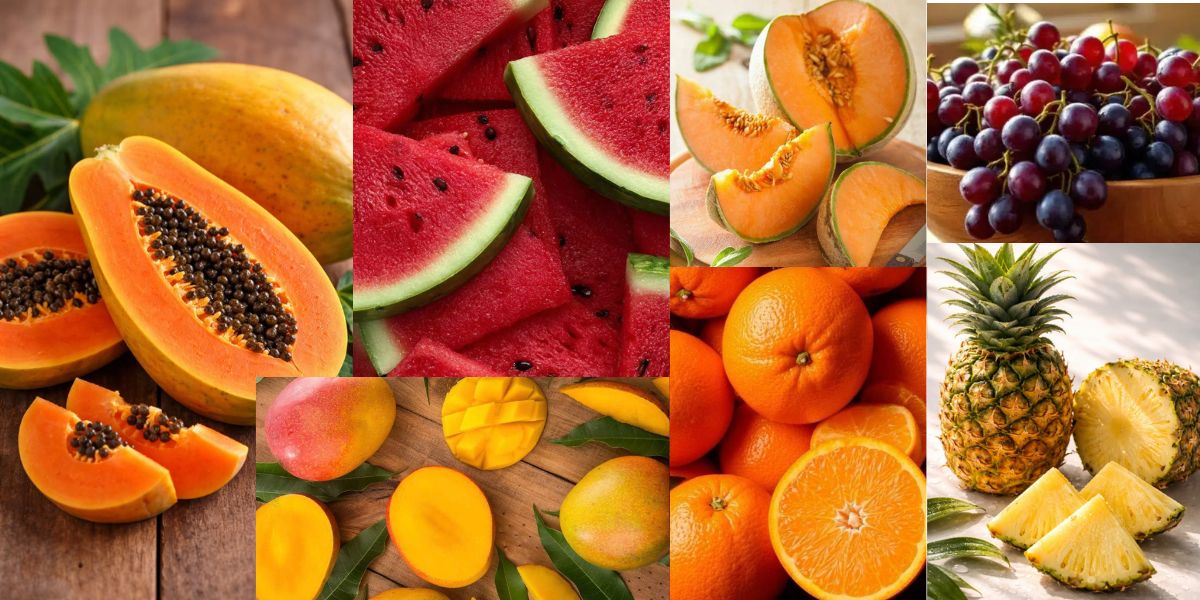
Watermelon is widely recognised as one of the most hydrating fruits available during the summer season. With more than 90 percent water content, it provides an excellent way to replenish fluids while also delivering important nutrients such as vitamin C, vitamin A, and antioxidants.
In addition to its refreshing taste, watermelon contains natural electrolytes that help maintain the body’s fluid balance. Including fresh watermelon slices in snacks or salads can help individuals stay hydrated while enjoying a light and nutritious food option during warm weather.
Muskmelon – Rich in Water and Essential Nutrients
Muskmelon, also known as cantaloupe, is another fruit that supports hydration during hot weather. Its high water content helps maintain fluid balance while also providing nutrients such as vitamin A, vitamin C, and potassium that contribute to overall health.
Regular consumption of muskmelon during summer can help improve digestion and provide natural cooling effects for the body. Its mild sweetness and refreshing texture make it a suitable addition to breakfast bowls, fruit salads, or mid-day snacks when temperatures are high.
Cucumber – A Refreshing Hydrating Food
Although often classified as a vegetable, cucumber is botanically a fruit and is widely valued for its hydrating properties. With an exceptionally high water content, cucumbers help replenish fluids while offering a refreshing and cooling effect during hot days.
Cucumbers are also low in calories and contain beneficial nutrients such as vitamin K and antioxidants. Adding sliced cucumber to salads, sandwiches, or infused water can support hydration and provide a light, refreshing dietary option during the summer season.
Oranges – Hydration with Vitamin C Support
Oranges are not only refreshing but also contribute to hydration due to their high water content. They are rich in vitamin C, an essential nutrient that supports immune health and helps the body recover from fatigue associated with heat exposure.
The natural sugars present in oranges provide a quick source of energy, making them a useful snack during hot weather. Consuming fresh oranges or freshly prepared orange segments can support hydration while delivering valuable nutrients that promote overall well-being.
Strawberries – Light and Hydrating Summer Fruit
Strawberries are another excellent choice for staying hydrated during summer. These fruits contain a high percentage of water and are rich in antioxidants, vitamin C, and dietary fibre that support digestive and immune health. Incorporating strawberries into smoothies, yoghurt bowls, or fruit salads can provide a refreshing and nutritious option during hot days. Their natural sweetness makes them a suitable alternative to processed desserts while helping the body maintain fluid balance.
Pineapple – Refreshing and Nutrient-Rich
Pineapple is a tropical fruit that offers both hydration and nutritional benefits. It contains a substantial amount of water along with important nutrients such as vitamin C, manganese, and digestive enzymes that support overall health. This fruit is also known for containing bromelain, an enzyme that supports digestion and reduces inflammation. Consuming pineapple in moderation can help individuals stay refreshed while benefiting from its nutritional profile during the summer season.
Coconut – Natural Electrolyte Support
Coconut, particularly in the form of tender coconut water, is widely recognised for its natural hydrating properties. Coconut water contains essential electrolytes such as potassium, sodium, and magnesium that help replenish fluids lost through sweating.
Tender coconut water provides a natural source of electrolytes that support fluid balance in the body. It is light, easily digestible, and often recommended during hot weather to help maintain hydration levels.
Regular consumption of coconut water can help prevent dehydration and provide a refreshing alternative to sugary beverages during the summer months.
Simple Ways to Include Hydrating Fruits in Your Diet
Incorporating hydrating fruits into daily meals does not require major dietary changes. Simple and consistent choices can make it easier to maintain adequate hydration during the warmer months.
Practical ways to add these fruits to your routine include:
- Preparing fresh fruit salads for breakfast or snacks
- Adding fruits to smoothies or yoghurt bowls
- Consuming chilled fruit slices during mid-day breaks
- Preparing infused water using fruits like cucumber or citrus
These easy activities help people to automatically boost their fluid intake while still getting necessary vitamins and minerals.
Conclusion
Summer temperatures can put additional strain on the body, making hydration an important aspect of overall wellness. While drinking water is crucial, integrating hydrating fruits into regular meals can help the body maintain its fluid balance and nutritional demands. Fruits including watermelon, muskmelon, cucumber, oranges, strawberries, pineapple, and coconut give natural hydration while also containing vitamins and antioxidants.
Individuals can lower the risk of dehydration and improve their overall health by incorporating water-rich fruits into their regular diets and keeping adequate hydration practices throughout the summer season.