






 Finance
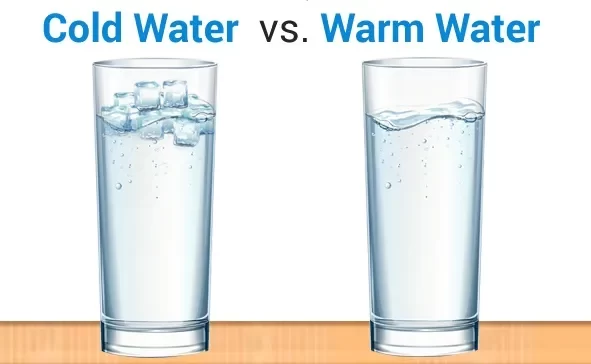
Staying hydrated is one of the simplest ways to improve your health, yet many people are unsure whether cold or warm water is best. The quick answer is that both are helpful at hydrating you. The best option frequently depends on your circumstances and what allows you to drink enough. In this guide, we’ll separate myths from facts, highlight warm water benefits when data or practical experience supports them, and provide simple hydration techniques you may utilize every day.
According to a skilled hepatologist and gastroenterologist, the temperature of your drinking water influences how comfortably and efficiently your gut works. Let’s comprehend it better.
Warm water > ice-cold water for digestion
Warm or room-temperature water helps the digestive tract work more smoothly.
“Cold drinks can slow digestion temporarily,” Doctor explains.
“Starting your day with warm or room temperature water supports gut motility.”
Gut motility refers to the movement of food through the digestive tract. When it slows down, you may experience:
- bloating
- heaviness
- constipation
- indigestion
- sluggishness
Warm water relaxes the muscles of the digestive system, aiding this movement.
Why cold water can interfere with digestion
Cold beverages don’t damage your system, but they can temporarily slow gastric emptying, especially when consumed with food.
When you drink very cold liquid:
- blood vessels in the stomach constrict
- enzymes become less efficient
- fats may solidify temporarily
- digestion slows down
This is why some people notice more bloating, gas, or cramping after icy drinks.
In clinical settings, slowing gut activity isn’t always harmful, but for people with irritable digestion, it can feel uncomfortable.
But cold water has its advantages, too
It isn’t all bad news for iced water fans.
Cold water can be helpful during:
- exercise or hot weather
- fever
- dehydration
- heat exhaustion
It cools the body faster and encourages higher fluid intake, a key factor for overall digestive health.
So while warm water supports digestion, cold water improves hydration, which indirectly benefits digestion too.
Ideal recommendation: match water temperature to your body’s needs
Dr’s approach is simple and realistic, not extreme.
“Warm water in the morning and with meals can support digestion, while cold water is fine when you are working out or trying to cool down.”
If you frequently experience:
- constipation
- sluggish digestion
- IBS symptoms
- bloating after meals
…warm water is generally more comfortable.
If you don’t, alternating temperatures is perfectly fine.
So, what should you drink?
For most people:
- Warm or room-temperature water is best in the morning and around meals
- Cold water is fine during exercise or high heat
- Hydration matters far more than water temperature
Because the gut doesn’t operate well when you’re dehydrated, regardless of whether the water is iced or warm.
Quick takeaways
Warm or room-temperature water:
- supports digestion
- aids bowel movement
- reduces discomfort
Ice-cold water:
- slows digestion temporarily
- can worsen bloating in sensitive individuals
- but it is useful for hydration in heat
The basic rule is to choose comfort over trends and hydration over perfection.