





 Finance
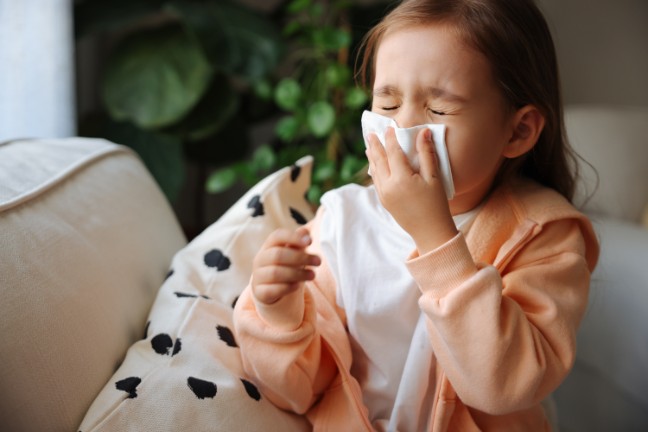
Parents, are you aware? Food, pollen, pet dander, and dust mites are some of the primary causes of childhood allergies, which can cause discomfort for children. Many children will develop symptoms, ranging from sneezing to serious reactions such as anaphylaxis.
According to Dr. Amit Gupta, Senior Neonatologist and Paediatrician at Motherhood Hospitals in Noida, it is critical for parents to pay close attention to their children’s health and avoid allergies. The expert discusses common allergies, including causes, symptoms, consequences, management, and prevention strategies.
Common causes of allergies in children
Allergies occur when a child’s immune system mistakenly reacts to a harmless substance as if it were dangerous. Common triggers include foods such as milk, eggs, peanuts, soy, wheat, and shellfish; environmental triggers like as pollen, dust mites, and mould; animal dander from pets such as cats or dogs; and even insect stings and some drugs. Furthermore, heredity plays a role, as children with allergic or asthmatic parents are more likely to develop these conditions.
Symptoms and complications of untreated allergies
Food allergies are frequent in newborns and toddlers, but environmental allergies such as pollen, dust, and mold allergies appear after children begin attending school. Untreated allergies can result in an atopic march, in which a kid develops eczema, then food allergies, and finally allergic rhinitis, asthma, or sinus infection. Furthermore, even little exposure can cause anaphylaxis, a potentially fatal reaction that necessitates immediate emergency care.
Allergies can disrupt a child’s daily routine and affect his or her academic achievement. The child will be unable to concentrate on their studies and will feel continually agitated or anxious. As a result, it is preferable to notify the doctor of the symptoms in order to receive prompt treatment.
When to see a doctor: Recognising warning signs
The diagnosis is made based on medical history, physical examination, and allergy tests such as skin prick tests or blood tests. To alleviate symptoms, antihistamines or nasal sprays will be administered. Those with severe allergies may also be advised to receive allergen immunotherapy (allergy shots) in some circumstances for long-term relief. The doctor will pick the course of treatment. Parents should not administer any medication on their own. Nutrition is also beneficial. Parents must provide foods high in vitamin C, vitamin D, and probiotics such as yoghurt, which can boost the immune system.
Helping your child live allergy-free
The final word: Parents should recognize that, while not all allergies can be avoided, they may lower chances by keeping their home clean, using dust-proof bedding, keeping dogs out of bedrooms, ensuring their children eat a balanced diet, and monitoring exposure to probable allergens. Children should also maintain proper personal hygiene. So teaching youngsters about their triggers and how to avoid them is just as vital. Take charge of your child’s health; it will make a big difference. So, with proper treatment and preventive measures, most children with allergies can enjoy healthy, active lives.
Source: InTv