






 Finance
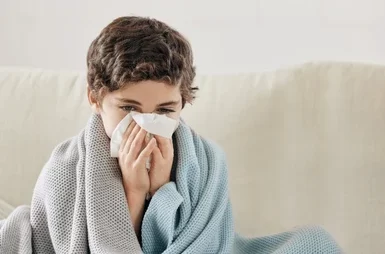
The winter months bring chills and a variety of health challenges, particularly for children. Parents frequently ask why their children are more prone to illness during the winter months. Several factors, including low immunity, extended exposure to cold weather, respiratory difficulties, and insufficient ventilation, can impair a child’s ability to fight off infections. However, early detection of symptoms and immediate medical intervention can reduce the severity. In this post, we will discuss the five primary winter diseases that might harm children’s health.
MAJOR WINTER DISEASES THAT MAY AFFECT CHILDREN
- Influenza: The flu characterised by fever, cold, cough, sore throat and body aches tends to be more prevalent during winter. Children, especially those with weaker immune systems, are more prone to this infection.
- Common Cold: The common cold is a common problem that occurs to almost everyone during the winter. It may also lead to a viral fever. A kid may suffer from viral fever for a period of 1 week to 2 weeks. During this time, the child should be kept in intense comfort and care as this kind of illness can lead to extreme weakness.
- Stomach Flu: It is mainly a viral intestinal infection and is caused by norovirus. It can last from 2 days to even a week. Common symptoms that may detect the illness in kids are water diarrhoea, vomiting, mild fever, fatigue and headache
-
Strep throat: It is a contagious bacterial infection that is more common during the fall, winter and early spring. It is especially common in children between the ages of 5 and 15. Common symptoms are sore throat, fever, trouble swallowing, stomach ache and headache.
- Cold-Weather Skin Conditions: Dry air and cold temperatures can bring their own set of skin problems for kids such as eczema, flare-ups and chapped lips. Regular moisturisation and keeping the skin covered reduce the risks.
- Respiratory Syncytial Virus: This is a common problem of a respiratory infection that happens in kids who are less than 2 years of age. A runny nose, fever, congestion, rapid breathing and cough are symptoms of this illness. The symptoms may stay for as much as 3 weeks before getting cured.
While winter has its challenges, parents should take proactive efforts to protect their children’s health. Encouraging excellent hygiene practices, providing adequate nutrition, maintaining a balanced indoor environment, and receiving timely vaccinations can all help to prevent significant winter illnesses.