






 Finance
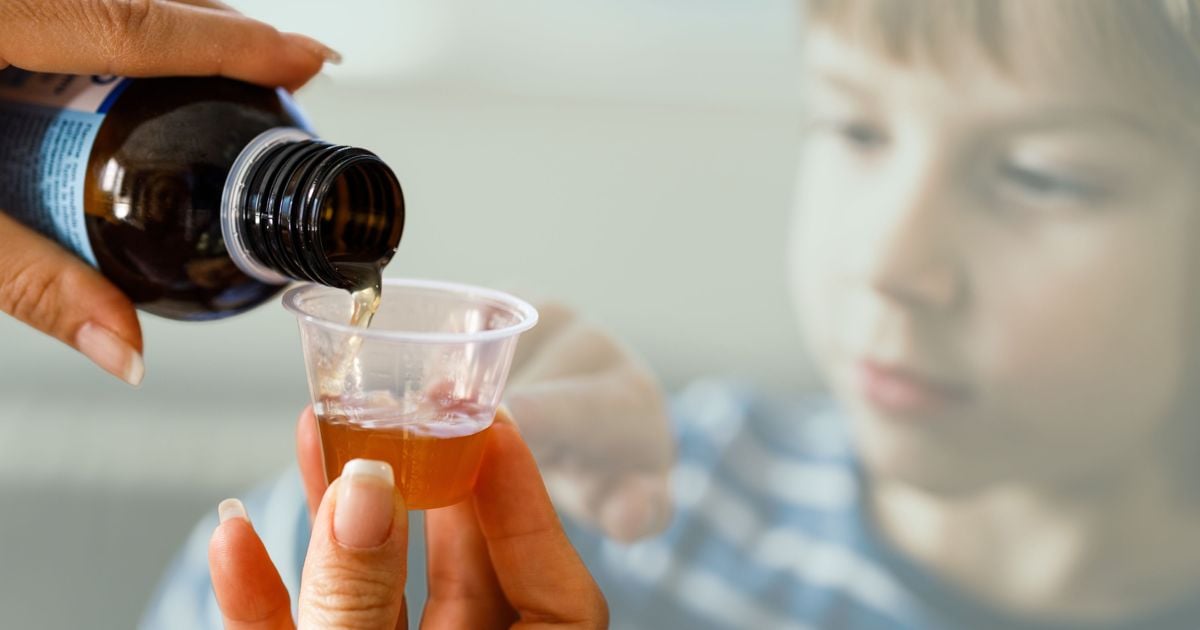
Many parents reach for cough syrup to soothe their child’s discomfort when the seasons change and the frequency of cold and flu cases grows. However, recent incidents in India, where several children died after consuming contaminated or inappropriate cough syrups, have renewed concerns about the usefulness and safety of these treatments. Medical professionals are now advising parents to be extremely cautious.
Most cough and cold medications are unnecessary—and even harmful—for young children, according to health officials all across the world.
According to the Indian Academy of Pediatrics (IAP), “most cough and cold illnesses in young children are mild, self-limiting, and resolve without medication.” The US FDA and the UK’s National Health Service (NHS) both emphasize that there is no conclusive evidence that over-the-counter cough syrups accelerate recovery or alter the course of a cold.
In other words, cough syrups do not treat the cold; the body does.
What parents should do instead?
Experts recommend focusing on non-drug measures that support natural healing. According to IAP and the Union Ministry of Health, the first line of treatment should include:
- Adequate hydration
- Rest
- Saline nasal drops
- Steam inhalation
For children over one year, honey can be given as a natural remedy. The UK’s NHS notes that half to one teaspoon of honey before bedtime can help soothe the throat and ease coughing. However, honey should never be given to children under 12 months due to the risk of infant botulism.
For children of all ages, parents can also use simple home remedies such as saline drops, warm fluids, or a humidifier.
Age restrictions around the world
Different countries have strict guidelines about cough syrup use:
- UK: No over-the-counter cough medicines for children under 6 years.
- US: Not recommended under age 2; some warnings extend to under age 4.
- India: The IAP discourages cough and cold syrups in children younger than 6.
The Union Health Ministry has reaffirmed that cough and cold medications should not be provided without a thorough examination, particularly for young children. In some areas, such as Kerala, doctors are required to provide the child’s age on all cough syrup prescriptions.
Instead of blindly consuming the medications themselves, consumers should get a medical advice to ensure proper dosage and contents. When used properly and in accordance with regulations, this syrup has established a useful role in symptomatic relief during seasonal illnesses while providing no significant health hazards.