






 Finance
Most Indian houses consider meals incomplete without a dish of curd or a glass of chaas. From summer lunches to hefty holiday dinners, these dairy mainstays are known to calm the body and improve digestion.
However, whether a person experiences acidity, bloating, loose movements, or constipation, the topic of which is better for gastrointestinal troubles emerges frequently.
Both curd and chaas are created from milk and include probiotic microorganisms that aid digestion.
However, they are not the same. Their texture, water content, fat levels, and even how they effect the body vary.
According to health experts, the best option is determined by the individual’s intestinal health, body type, and even the weather. Understanding how everything works can help you make better decisions for your digestive health.
WHAT IS CURD, AND HOW DOES IT HELP THE GUT?
Curd, sometimes called dahi, is created by fermenting milk with live bacterial cultures. This fermentation process raises the quantity of beneficial bacteria, commonly known as probiotics, that promote healthy digestion.
Curd is:
- Thick and creamy
- Rich in protein and calcium
- A natural source of probiotics
- Slightly sour in taste
Because of its probiotic content, curd helps restore the balance of good bacteria in the gut. It may help in conditions like mild constipation and recovery after taking antibiotics.
However, curd is harder to stomach than chaas. People who are bloated or have sluggish digestion may find it uncomfortably heavy, particularly at night.
WHAT IS CHAAS AND WHY IS IT EASIER ON THE STOMACH?
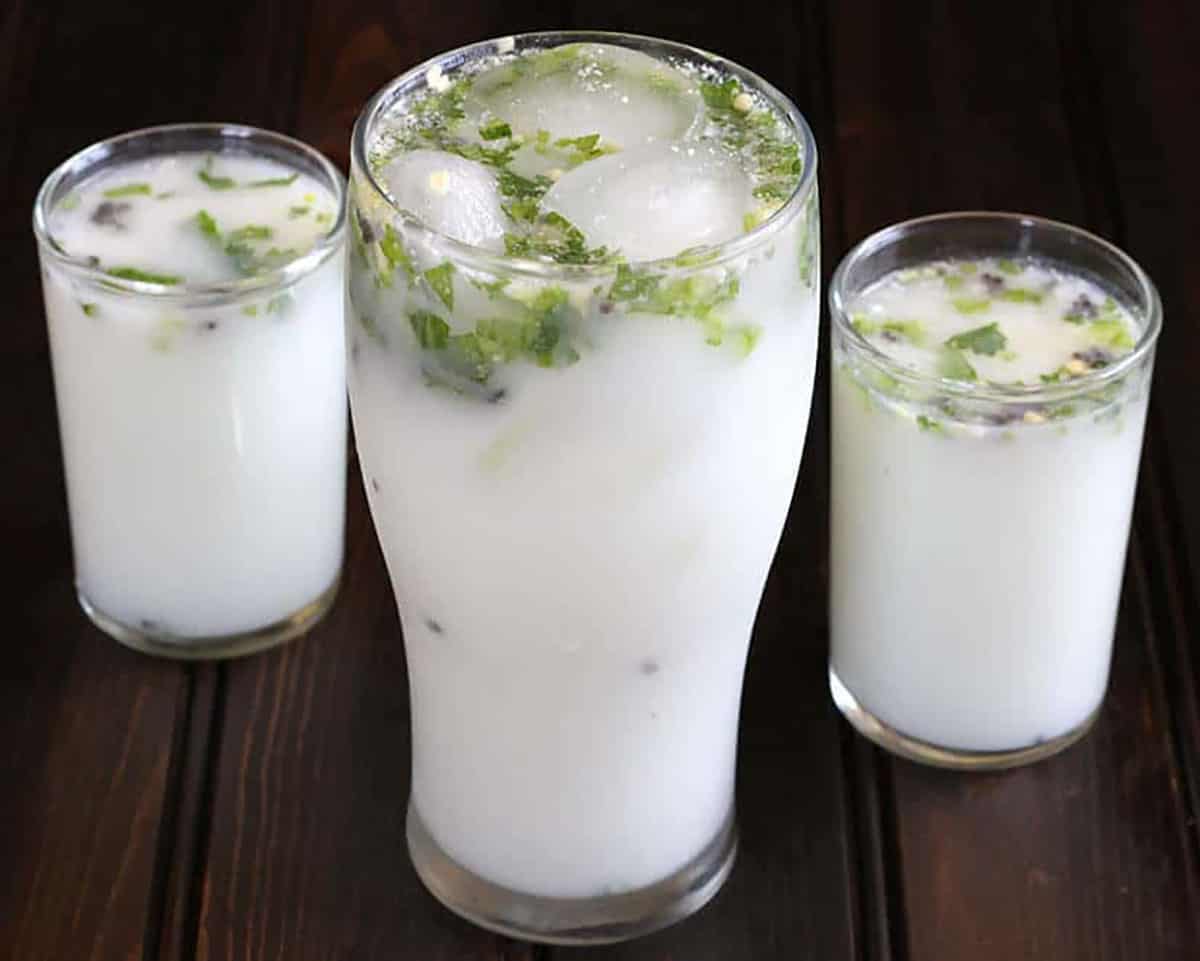
Chaas, also known as buttermilk, is prepared by combining curd and water and churning it. Mild spices such as cumin, ginger, or mint may be used to ease digestion.
Chaas is:
- Light and watery
- Low in fat
- Hydrating
- Easier to digest
Chaas is softer on the stomach due to its high water content. It reduces acidity and keeps the body cool, particularly in hot weather. The spices in traditional chaas can also help to relieve gas and bloating.
Chaas is typically thought to be a safer option for folks who experience indigestion or heaviness after meals.
WHICH IS BETTER FOR ACIDITY AND BLOATING?
If someone has frequent acid reflux or bloating, chaas may be a better option. Eating a large portion of thick curd, especially at night, may increase discomfort in certain cases.
Chaas is lighter and more easily absorbed because it is diluted. It can soothe the stomach lining and aid digestion without leaving you feeling full or unpleasant.
Curd, on the other hand, may feel slightly weighty to certain persons with delicate digestive systems.
However, small portions of fresh curd during the day are usually safe for most people.
WHAT ABOUT LOOSE MOTIONS OR CONSTIPATION?
Plain curd can help with loose movements. It replenishes healthy gut bacteria, which may aid in speedier healing. Doctors frequently recommend rice and curd as a light meal for moderate stomach illnesses.
Because of its probiotic content, curd and chaas can assist improve bowel movement for those suffering from constipation. However, because hydration plays an important part in constipation, chaas may provide additional benefits because to its increased water content.
The key is moderation. Lactose intolerant people’s symptoms can worsen if they consume too much dairy.
SO, WHICH ONE SHOULD YOU CHOOSE?
There is no single answer that fits everyone.
Choose curd if:
- You need more protein
- You are recovering from antibiotics
- You do not have severe bloating
- You prefer a thicker texture
Choose chaas if:
- You feel heavy after meals
- You have acidity or gas
- You want something light and hydrating
- It is very hot weather.
Freshness is also important. Both curd and chaas should be freshly made. Sour, old dairy can exacerbate digestive troubles.
Curd and chaas are both beneficial to intestinal health when consumed properly. They contain probiotics, aid digestion, and are firmly ingrained in Indian food traditions.