





 Finance
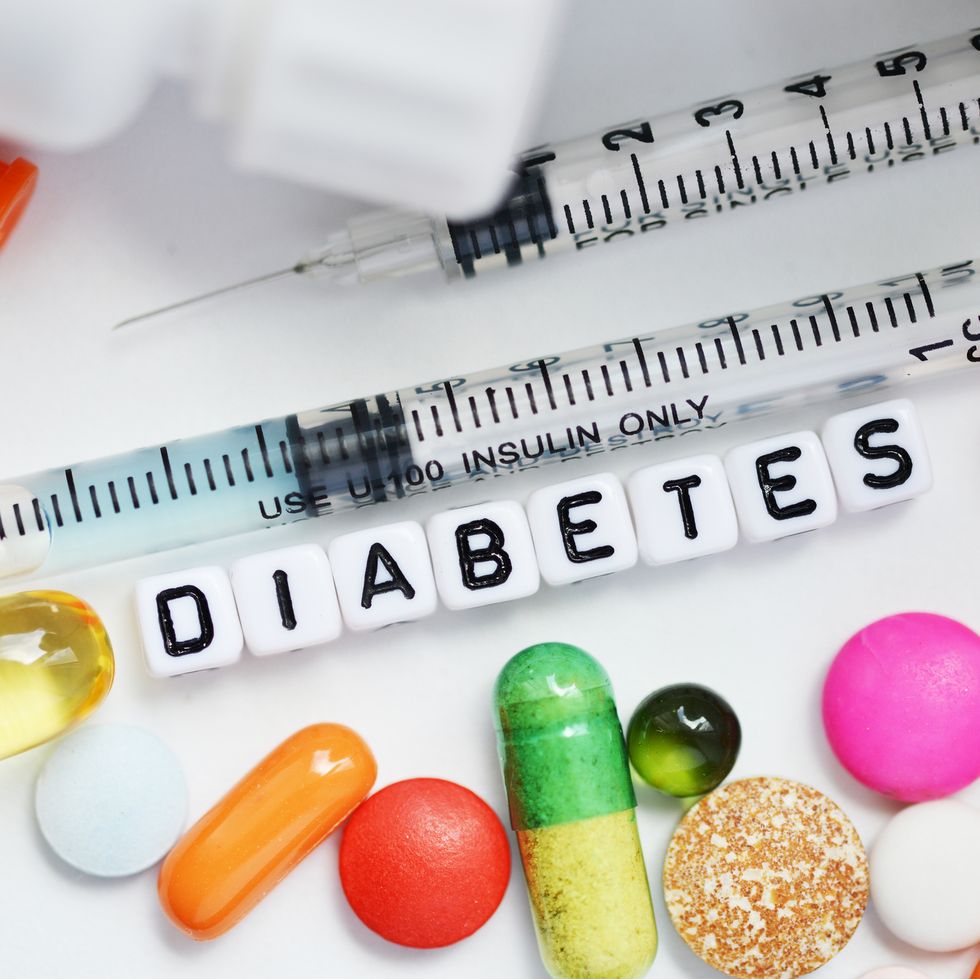
When you have diabetes, your body has trouble processing glucose, or blood sugar. Normally, the hormone insulin is used by your body to move blood sugar into your cells, where it is transformed into energy. However, diabetics have a defect in this mechanism.
This causes blood sugar to build up, which over time can harm your kidneys, heart, eyes, and nerves.
What is diabetes?
Diabetes is a long-term medical disorder in which the body either produces insufficient amounts of insulin or is unable to use it efficiently. Over time, this can harm organs because it raises blood sugar levels. Type 1, Type 2, and Gestational Diabetes are the three primary forms.
Types of diabetes
Type 1 diabetes: Children or young adults are usually the first to develop type 1 diabetes. It has nothing to do with lifestyle or diet. It is an autoimmune disease in which the body’s defence mechanism unintentionally targets the pancreatic cells that produce insulin. Insulin must be taken daily for people with Type 1 diabetes to survive.
Type 2 diabetes: Although it typically affects adults, more children are developing type 2 diabetes as well. connected to lifestyle factors such as having a family history, being overweight, or not exercising. Healthy eating, exercise, and occasionally medicine or insulin can help manage it.
Gestational diabetes: The mother’s body may have trouble using insulin due to hormones from the placenta. usually disappears once the baby is born. However, there may be a greater chance of Type 2 diabetes in the future for both mother and child.
Diabetes prevalence in India
According to the ICMR‑INDIAB study, about 11.4% of India’s population now has diabetes—this translates to over 100 million people. Urban prevalence stands at 17.2%, while rural areas are catching up at 9.4%.
A comprehensive meta‑analysis (covering 1972–2019) showed that diabetes rates jumped from 3.3% to 19.0% in urban areas, and from 2.4% to 15.0% in rural areas.
National NCD survey data also reveal that urban diabetes prevalence is over 14.3%, compared to 6.9% in rural regions.
A broader global context: India hosts around 212 million diabetics—more than any other country.
Urban vs Rural Divide
Historically, urban areas had around twice the diabetes rates of rural areas.
But over time, lifestyle changes and urban influences are making the rural-urban gap narrower. Rural diabetes went from 2–3% decades ago to nearly 15% now—cities are not that far ahead anymore.
Why is diabetes rising in young people
Type 2 Diabetes in Younger Adults
A study (STRiDE‑I) in southern India reported a steep increase in Type 2 diabetes among younger people: from 4.5% to 7.8% over ten years. Older adults rose from 28.4% to 34% in the same period.
Even more striking, the rate of increase was much higher among the youth—120% rise in new cases, compared to 150% in older adults; relatively, that’s a bigger jump in the younger group.
Risk factors? More families have a diabetic history, weight gain, less activity, and more sedentary routines—all pushing youth into early diabetes.
Type 1 Diabetes in Children
In Ranchi, cases of Type 1 diabetes among children under 14 have climbed from single digits to 12–15 cases annually now. From 2024 to early 2025, 12 new cases were reported alone.
Nationally, there are nearly 95,600 children under 14 living with Type 1 diabetes, and about 15,900 new cases are diagnosed each year.
Youth-Onset Diabetes—Overview
Young Indians face a soaring diabetes risk: overall prevalence among youth is 12.3% for boys and 8.4% for girls.
Alarmingly, diabetes in youth tends to be more aggressive, with complications like heart, kidney, nerve, and eye issues showing up sooner.
Why It Matters
Imagine someone in their 20s or 30s—still energetic, bustling through life—suddenly told, “You’ve got diabetes.” It changes everything.
- Longer disease burden: Getting diabetes younger means living with it—and its challenges—for decades longer.
- Higher risk of complications: Having diabetes early speeds up damage to the heart, kidneys, eyes, and nerves.
- Strain on families: Young breadwinners or students needing medication, checkups, and lifestyle changes… that’s a huge emotional and financial load.
- Lost opportunity: Youths are the future. When their health is hit early, it affects education, careers, family—all of it.
Early signs and symptoms of diabetes
Frequent urination, increased thirst, exhaustion, hazy eyesight, and inexplicable weight loss are among the initial signs of diabetes. Because high blood sugar impacts the kidneys, eyesight, and energy levels, these symptoms appear. See a doctor for a basic blood test if these symptoms manifest.
Your body starts to send indications when diabetes starts to develop, although these signals can be subtle. Many dismiss them as just “growing older” or “being worn out.”
Here are the main early signs:
1. Frequent Urination (Especially at Night): You might notice you’re running to the bathroom more often, even waking up multiple times at night.
Why it happens: When sugar builds up in your blood, your kidneys try to flush it out through urine. This means more trips to pee.
2. Excessive Thirst: You feel unusually thirsty—even after drinking water.
Why it happens: You are losing more fluids than usual through urine, so your body keeps asking for more water.
3. Fatigue / Always Tired: You feel drained, sluggish, or mentally foggy—even if you slept okay.
Why it happens: Your body can’t properly use sugar (its main energy source), so your cells are starved for fuel. It’s like having a full fridge with a broken power supply.
4. Blurred Vision: Your eyesight may seem off—things look fuzzy or you struggle to focus.
Why it happens: High blood sugar affects the lens inside your eyes, causing swelling and blurred vision. It may come and go.
Silent or lesser-known symptoms (Often missed in women and older adults)
These symptoms aren’t always dramatic but can be just as serious:
For Older Adults (Elderly):
- Confusion or Memory Issues
- It may seem like forgetfulness or ageing.
- But it could be due to fluctuating blood sugar affecting brain function.
Mood Swings or Depression
Feeling low, anxious, or irritable can be a metabolic issue—not just mental health.
Excessive Sleepiness
Seniors may nap more, feel tired all day, or become less interested in daily activities.
Loss of Appetite
A decrease in hunger or skipping meals may seem normal, but can be a red flag in diabetes.
In elderly people, symptoms are often mistaken for ageing, which delays diagnosis. Regular checkups are key.
For Women (Often Overlooked Signs):
- Frequent UTIs or Yeast Infections
- High sugar levels feed bacteria and yeast, leading to more infections.
- Irregular Periods or PCOS Worsening
- Hormonal imbalances related to insulin resistance can disrupt cycles.
- Tingling or Numbness in Hands/Feet
- Known as diabetic neuropathy, this can start subtly—often brushed off as “bad posture” or “sleeping wrong.”
- Slow-Healing Cuts or Infections
- Even minor wounds take longer to heal than usual.
- Women may not link these to diabetes, and often dismiss them as hormonal, age-related, or stress-related symptoms.
Causes and risk factors of diabetes
Genetic factors-H ealth problems can occasionally run in families. You might be predisposed to a certain condition if your parents or close relatives have it. Although it doesn’t guarantee that you will acquire it, your genes may make you more susceptible.
Lifestyle factors- Our daily lifestyles have a significant influence on our health. The body can be gradually harmed by smoking, drinking alcohol, eating too much junk food, and not exercising. Conversely, you can be protected by healthy practices including eating a balanced diet, exercising frequently, and abstaining from dangerous drugs.
Obesity and insulin resistance- The natural processes of the body are strained when excess weight accumulates, particularly around the stomach. Insulin, the hormone that regulates blood sugar, may eventually cause the body to stop reacting appropriately. This makes it more difficult to keep blood sugar levels within normal ranges, which might result in more serious health issues.
Stress and sleep- Stress causes hormonal changes that impact blood pressure, weight, and blood sugar regulation, making it more than just a mental strain. Lack of proper sleep adds to the problem, making the body more tired, hungrier, and less able to manage stress. Together, poor sleep and high stress can quietly increase health risks over time.
Complications of untreated diabetes
Eye problems (Diabetic Retinopathy)
High blood sugar can damage the tiny blood vessels in the eyes. Over time, this can blur your vision, make it hard to see clearly, and in severe cases, even cause blindness if not treated in time.
Kidney disease
Your kidneys act like filters, cleaning waste from your blood. When diabetes is uncontrolled, the extra sugar damages these filters. Slowly, the kidneys may stop working well, which can lead to kidney failure and the need for dialysis or a transplant.
Heart problems
Diabetes puts a lot of strain on the heart and blood vessels. It increases the chances of high blood pressure, heart attacks, and strokes. In simple words, untreated diabetes can silently damage the heart, sometimes without clear warning signs.
Nerve damage and foot issues
Too much sugar in the blood can injure the nerves, especially in the hands and feet. This may cause tingling, numbness, or pain. Because of the numbness, small cuts or wounds on the feet may go unnoticed, which can turn into serious infections and, in the worst cases, may even require amputation.
Diagnosis and tests for diabetes
Doctors diagnose diabetes using blood tests like Fasting Blood Sugar, HbA1c, and Random Blood Sugar. A fasting level of 126 mg/dl or more, HbA1c of 6.5% or higher, or random blood sugar above 200 mg/dl confirms diabetes.
Blood sugar tests
Doctors usually confirm diabetes with simple blood tests:
- Fasting Blood Sugar Test: Done after not eating for 8–10 hours. If your sugar is high even on an empty stomach, it’s a red flag.
- HbA1c Test: This test shows your average sugar level over the past 2–3 months, not just on the day of testing. It gives a clearer picture of how well your sugar has been controlled.
- Random Blood Sugar Test: This can be done anytime, whether you’ve eaten or not. Very high readings usually point toward diabetes.
When to get tested
You should get checked if you:
- Feel unusually tired, thirsty, or need to pee often.
- Have sudden weight loss or blurred vision.
- Have a family history of diabetes.
- Are overweight, above 35–40 years, or lead a sedentary lifestyle.
- Even if you feel healthy, doctors recommend routine screening after age 35, especially if diabetes runs in the family.
Diabetes in Women
While diabetes affects everyone, it often plays out a little differently in women — not just in how it develops, but also how it feels and what it affects in daily life.
The hidden link between PCOS and diabetes
PCOS (Polycystic Ovary Syndrome) is a hormonal disorder that affects about 1 in 10 women of reproductive age. Many women with PCOS don’t realise it puts them at a much higher risk of developing type 2 diabetes.
Why?
PCOS is tied to insulin resistance — meaning your body doesn’t respond well to insulin, the hormone that helps manage blood sugar. When this happens, your body has to work extra hard to keep blood sugar in check.
Over time, this strain can lead to type 2 diabetes or prediabetes.
Signs PCOS might be affecting your risk:
- Irregular or missed periods
- Weight gain, especially around the belly
- Acne or oily skin
- Excess hair growth on face/body (hirsutism)
- Difficulty getting pregnant
What to do: If you have PCOS, it’s a good idea to get screened regularly for blood sugar issues — even if you feel fine.
Gestational diabetes: Diabetes during pregnancy
Gestational diabetes shows up only during pregnancy — usually around the 24th–28th week. It happens when pregnancy hormones mess with the way insulin works.
What it means:
You didn’t have diabetes before, but your body struggles to control blood sugar while pregnant.
It usually goes away after birth, but it increases your risk of type 2 diabetes later in life.
It can also increase the baby’s risk of developing diabetes or obesity later on.
Signs to look for (often mild or unnoticed):
- More tired than usual (even for pregnancy)
- Increased thirst or urination
- Blurred vision
- Sugar in urine (usually found during prenatal tests)
What to do: Gestational diabetes is usually managed with a special diet, exercise, and sometimes insulin. Prenatal care is key!
Unique symptoms of diabetes in women
While classic diabetes symptoms (like fatigue, frequent urination, and thirst) show up in both men and women, women often experience some unique or different signs, especially when blood sugar stays high for a long time.
Mood swings or depression
High blood sugar can affect how your brain uses energy — leaving you foggy, irritable, or unusually down.
More frequent infections
Women may experience more yeast infections, urinary tract infections (UTIs), and bacterial vaginal infections. High blood sugar feeds yeast and bacteria, making infections more common.
Sexual discomfort or dryness
Diabetes can reduce blood flow and nerve function, leading to:
- Vaginal dryness
- Low libido
- Pain during sex
These are often under-reported but very real
Irregular menstrual cycles
Especially when diabetes and PCOS overlap, insulin resistance can mess with your hormones and throw your cycle out of whack.
Fatigue that’s more than “tired”
This is not just being sleepy. It’s a dragging exhaustion that doesn’t go away with rest — like walking through life with weights strapped to your legs.
Can diabetes be cured?
There is no permanent cure for diabetes. However, blood sugar can be controlled with lifestyle changes, medication, and insulin (for some patients). In some cases of Type 2 diabetes, remission is possible through diet and weight management.
What foods should diabetics avoid?
Diabetics should avoid refined sugar, white rice, sugary drinks, and deep-fried foods, as these raise blood sugar quickly. Instead, focus on whole grains, vegetables, pulses, and high-fibre foods to keep sugar levels stable.
Ayurveda and home remedies for diabetes (complementary care)
Many diabetics seek out natural or Ayurvedic remedies in addition to medical care; these treatments are not meant to cure, but rather to assist. These therapies aim to improve digestion, support blood sugar regulation, and fortify the body’s natural systems.
Let’s review some common spices and herbs that you may already have in your kitchen.
Methi (Fenugreek) Seeds
Methi seeds can improve how your body uses insulin and may help lower blood sugar after meals.
How to use: Soak 1–2 teaspoons overnight in water, and drink the water (with or without the seeds) in the morning on an empty stomach.
Cinnamon (Dalchini)
Cinnamon may improve insulin sensitivity and help lower fasting blood sugar levels.
How to use: Add a pinch of cinnamon powder to warm water or herbal tea daily, or sprinkle it on oatmeal.
Giloy (Guduchi)
Known as the “root of immortality” in Ayurveda, giloy is a powerful adaptogen. It may support blood sugar balance, reduce inflammation, and boost immunity.
How to use: Usually taken as a juice or in tablet form (available at Ayurvedic stores or pharmacies).
Note: Not recommended without guidance if you’re pregnant, breastfeeding, or on multiple medications.
Jamun (Indian Blackberry)
Jamun is famous for its sharp taste and sharp benefits. The fruit and seeds may help slow sugar absorption and improve insulin activity.
How to use: Fresh jamun when in season, or powdered jamun seed (available in health stores) with warm water on an empty stomach.
These remedies are not a replacement for prescription drugs or medical guidance. Engage with your diabetic medication. Before attempting any new treatments, speak with your doctor, and keep a regular check on your blood sugar levels. Think of Ayurveda as an adjunct to your defenses, not your exclusive one.