




 Finance
Children enjoy snacking a lot. They frequently equate eating with joy. However, most popular snack foods are really unhealthy, containing high levels of sodium, sugar, bad fats, and preservatives. Childhood is a period of growth, and all of these dangerous foods can have an impact on their health and development. The solution is to find an alternative to their preferred munchies.
Dr. Srishti Goyal, a consultant dietician, stated that junk food promotes numerous health concerns in children, including weight gain, obesity, and diabetes.
But before we get into healthy snacking options, let’s talk about why kids nibble so much. Is it out of boredom, or is there another strong cause they can’t ignore? It turns out there is a biological cause, and it is more of a necessity than a desire. According to the dietician, their increased energy requirements cause them to seek food more frequently.
Dr Goyal said, “Children have smaller stomachs but higher energy needs compared to adults, which makes snacking between meals necessary, and nutritious snacks help maintain steady energy levels throughout the day, provide essential vitamins and minerals, support better focus and learning in school, and build healthy eating habits that last a lifetime.”
Parents sometimes warn their children to stop eating junk food, yet their high energy demands may actively entice them to meals. And because children lack a clear grasp of healthy nutrition, they prioritize whatever tastes good. This is where active parental involvement is required. Instead of banning a food, it should be substituted with a healthy alternative.
Dr. Srishti Goyal provided five alternatives to children’s favorite junk foods, as well as four advice for parents to assist their children begin to eat healthier:
Snack options for kids
1. Eat fresh fruits instead of candy
- Fruits like apples, bananas, and oranges naturally satisfy a sweet tooth while providing fibre, vitamins, and antioxidants.
- Cutting them into fun shapes or serving them as fruit salads can make them more appealing.
2. Nuts and seeds instead of chips
- Almonds, walnuts, sunflower seeds, or pumpkin seeds are crunchy, filling, and rich in protein and healthy fats.
- For younger children, ensure nuts are given in safe forms (like powdered or soaked) to avoid choking risks.
3. Homemade popcorn instead of packaged snacks
- Air-popped popcorn, lightly seasoned with herbs, is a whole-grain snack that’s far healthier than packaged chips or fried snacks.
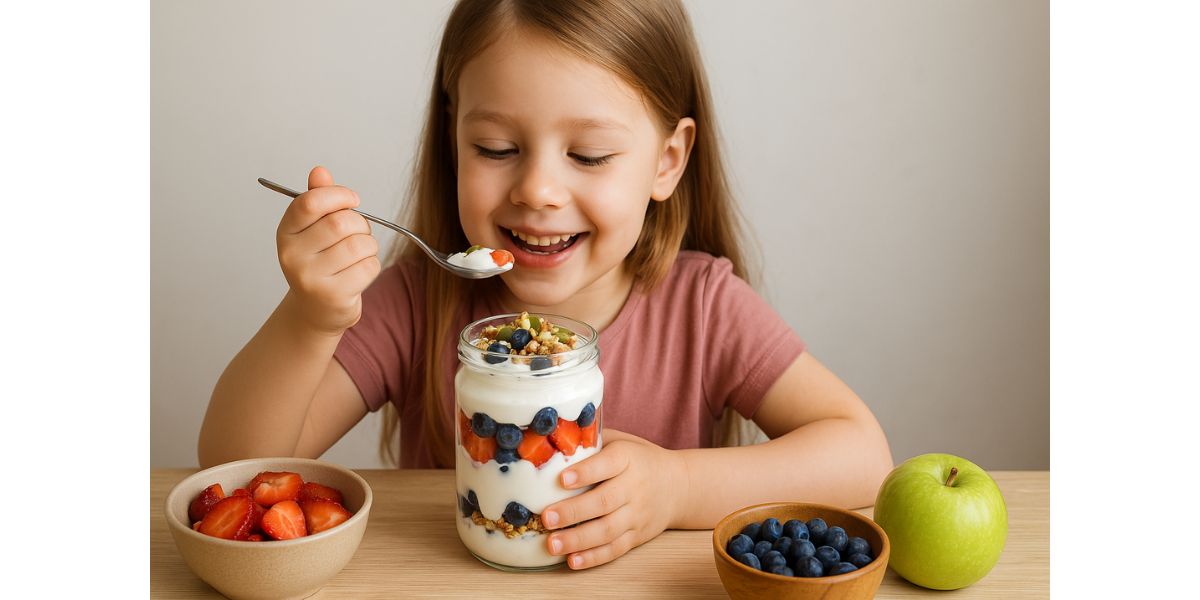
4. Yoghurt with toppings instead of ice cream
- Plain yogurt topped with fresh fruit, honey, or granola makes a delicious and calcium-rich snack that supports bone health
5. Whole-grain sandwiches instead of fried snacks
- A small sandwich made with whole-grain bread, vegetables, and a protein source like egg, paneer, or hummus can be both tasty and nutritious.
Tips for parents to make kids eat healthy
- Involve children in preparing snacks; they are more likely to eat what they help make.
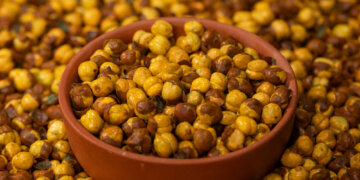
- Keep healthy options visible and within reach, like a fruit basket or a container of roasted chana
- Avoid stocking junk food at home to reduce temptation.
- Teach children the ‘colourful plate rule’: the more natural colours (fruits and veggies), the better the nutrition.
(Disclaimer: The article’s advice and recommendations are meant primarily as general information and should not be interpreted as expert medical advice. Before beginning any exercise program or making any dietary changes, always get advice from your doctor or a dietitian.)