







 Finance
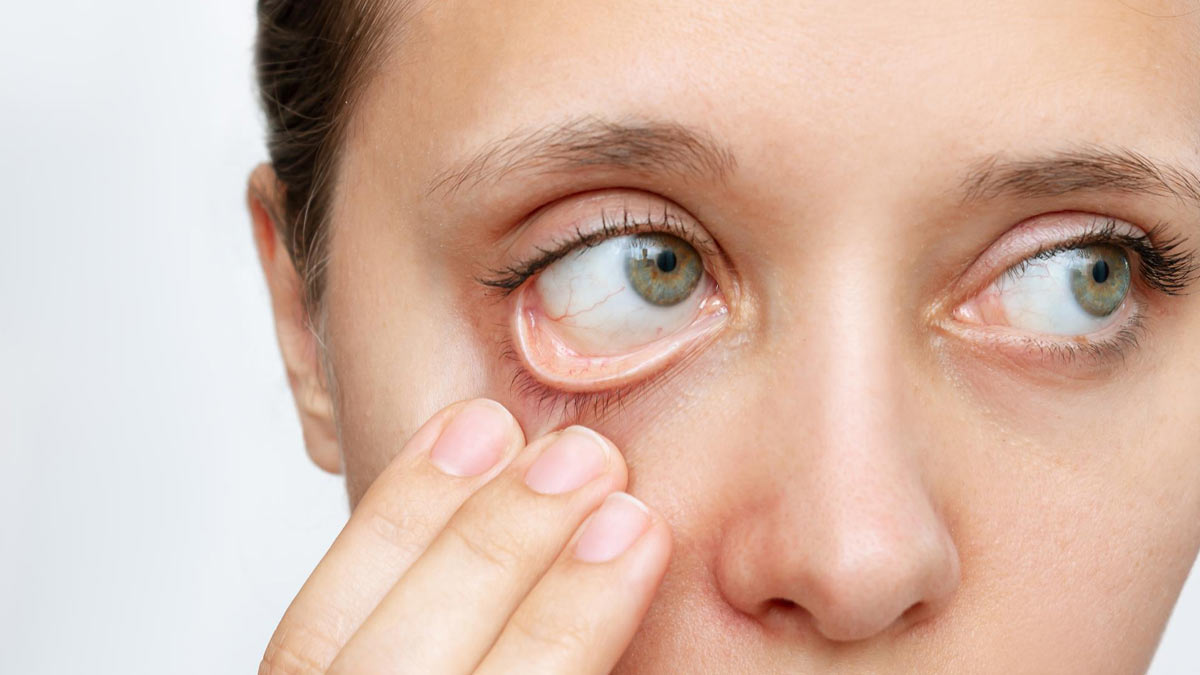
In the winter, most people prepare to keep their bodies warm and their skin wet, but our eyes are frequently overlooked. In chilly temperatures, many people experience eye irritation, a gritty sensation, burning, or frequent tears.
These are indicators of how delicate and intricate your tear film is.
What is Dry Eye Syndrome?
The tear film is a thin layer of moisture that forms on the surface of the eye. It has three layers: an oily layer to inhibit evaporation, a watery layer for hydration, and a mucous layer to assist tears spread evenly. Dryness occurs when one of these layers is disrupted.
Dry eye syndrome develops when there is inadequate tear production or excessive tear evaporation. Tears are crucial for protecting and moisturizing the surface of your eyes. Inadequate moisture in the eyes can cause irritation, redness, blurred vision, and even sensitivity to light.
According to a doctor at an eye hospital, there are various reasons why winter exacerbates symptoms. The cold weather and low humidity accelerate the evaporation of the tears that cover your eyes. Furthermore, indoor heating systems not only dry up the air, but they also remove moisture from your eyes. So, while you may want to stay home in the heat, your eyes are working hard to stay hydrated.
During the winter, many individuals spend lengthy hours indoors staring at their phones or laptops. Focusing on digital gadgets reduces the blink rate from 15-20 blinks per minute to roughly 7-10, indicating that your eyes are not receiving enough lubrication from tears.
Dry Eye Syndrome Symptoms
The initial signs are a faint burning, mild redness, or watery eyes that appear hyperactive, which we frequently ignore. Surprisingly, one of the body’s reactions to dryness is excessive tearing. Your eyes try to compensate for the dryness by producing more watery tears, but they don’t stay long enough to provide adequate relief.
Other symptoms include sensitivity to light, blurred vision, and the sensation that something is lodged in your eye.
Winter tips for your eyes
Protecting your tear film and reducing exposure to evaporation-causing situations are important methods for controlling dry eyes in the winter.
Make tiny adjustments to your environment first. A humidifier can help to restore moisture to the air, particularly in homes with central heating. When you’re outside, wear wraparound glasses or sunglasses to shield your eyes from the cold winds and sudden temperature fluctuations.
Drinking enough of water throughout the day will help to keep your body and, by extension, your eyes moist. Similarly, a diet rich in omega-3 fatty acids (salmon, flaxseed, and walnuts) promotes healthy tear formation.
If your employment needs you to spend long periods of time in front of a computer, take regular breaks. Use the following simple formula: every 20 minutes, look at an object about 20 feet away for 20 seconds. This will allow your eyes to rest and trigger a normal blinking response.
Even if your eyes are sore, don’t massage them because it can induce inflammation or introduce allergens. For relief, try lubricating eye drops that do not include preservatives. Furthermore, applying warm compresses to the eyelids might help remove clogged oil glands and improve the quality of tears.
If your eyes are frequently dry or irritable, see an eye expert. Persistent dryness can cause inflammation, skin damage, and infections. Depending on the cause, therapy options may include medicated eye drops, operations to improve tear retention, or therapies to restore oil gland activity.
(Disclaimer: The article’s advice and recommendations are meant primarily as general information and should not be interpreted as expert medical advice. Before beginning any exercise program or making any dietary changes, always get advice from your doctor or a dietitian.)