



 Finance
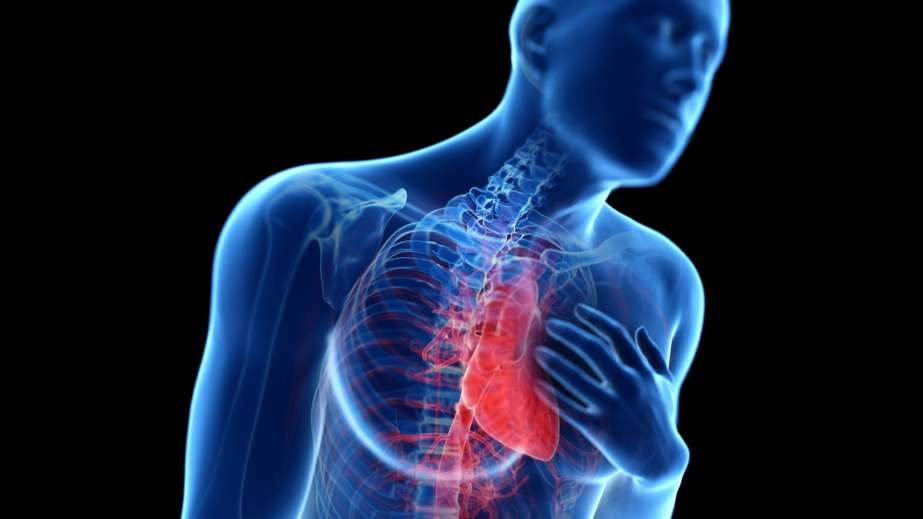
For millions of Indians, heart disease appears to strike without warning. In clinical practice, however, the situation is different. Most patients have early warning indicators that go unnoticed—not because they are absent, but because they are frequently rationalised, disregarded, or misunderstood.
These symptoms can include weariness, shortness of breath, edema, or a general feeling of discomfort. They are rarely dramatic. Nonetheless, with cardiovascular disease accounting for roughly 28% of all fatalities in India, recognizing these early alterations may be the sole opportunity for successful intervention.
Heart disease in India: Why early signs matter
According to Dr. Chakradhar Pedada, MBBS, MD, DM, Consultant Interventional Cardiologist, Apollo Hospitals, Visakhapatnam, in a healthcare setting where late presentation is widespread and access to preventive screening is limited, the body’s quiet signals become increasingly important.
1. Chest discomfort that isn’t always pain
Chest pain is often associated with heart attacks, but early cardiac discomfort may feel nothing like what one expects. A sense of tightness, heaviness, or burning may come and go, sometimes mistaken for acidity or anxiety. These sensations, particularly when linked to exertion or emotional stress, should never be overlooked.
The Indian Heart Journal has reported that over 45% of women with acute coronary syndrome in India experienced non-classical symptoms, including discomfort without pain. In individuals with diabetes, the pain may be diminished or absent altogether due to neuropathy. These nuances underline the importance of not waiting for dramatic symptoms before seeking evaluation.
2. Subtle breathlessness and reduced stamina
A gradual decline in stamina—getting winded while walking short distances and struggling to climb stairs—can often be attributed to ageing or lifestyle. But when breathlessness begins to interfere with routine activity, it may point to early cardiac dysfunction.
The ICMR–INDIAB study shows a growing number of patients under 50 being diagnosed with heart failure in urban India, many of whom first experienced unexplained shortness of breath. Breathlessness at rest or while lying flat, especially in those with diabetes or hypertension, should always raise clinical suspicion.
3. Fatigue that lingers despite rest
Fatigue is frequently dismissed as a consequence of work, sleep deprivation, or stress. However, when persistent tiredness interferes with daily functioning and does not improve with rest, it warrants further scrutiny.
According to the Apollo Health of the Nation 2024 report, nearly 38% of working Indian adults report persistent fatigue, but fewer than 10% undergo cardiovascular screening. In many cases, reduced cardiac output may be the underlying cause, even when other vitals appear normal. Early-stage dysfunction may present solely as disproportionate exhaustion.
4. Palpitations and irregular heartbeats
Palpitations—fluttering, racing, or irregular beats—are often attributed to anxiety or stimulants. Yet, when these sensations are recurrent or prolonged, they may indicate arrhythmias that require structured assessment.
India is witnessing a rise in atrial fibrillation, a condition linked to an increased risk of stroke and heart failure. Population-level studies place its prevalence at 0.1–0.2%, but underdiagnosis remains common. Palpitations associated with dizziness, fainting, or breathlessness should be evaluated through ECG or Holter monitoring without delay.
5. Swelling in feet and ankles as an early clue
Mild swelling in the feet or ankles, especially by the evening, is often dismissed as dietary or postural. But when swelling becomes consistent, bilateral, and worsens progressively, it may suggest volume overload related to congestive heart failure.
Over 60% of patients diagnosed with heart failure in India report peripheral oedema for weeks before formal diagnosis, as noted in the Indian Heart Journal. When accompanied by weight gain or abdominal discomfort, the link to compromised cardiac output becomes more probable.
Why Indians underestimate their cardiac risk
One of the most significant obstacles in early identification of heart disease in India is an underestimating of individual risk. Despite a high prevalence of hypertension, diabetes, and family history, many people, particularly those in their 30s and 40s, do not get routine lipid or blood pressure screenings.
According to NFHS-5 data, just 14% of men and 8% of women aged 30-49 had ever had their cholesterol levels examined. Meanwhile, according to the Apollo report, one in every three urban guys under the age of 45 has high blood pressure, which is typically untreated. This invisibility of danger is precisely why early detection of symptoms is critical.
Steps to act early and prevent heart disease
The body rarely remains mute in the face of cardiovascular stress. Its symptoms are frequently subtle—fatigue that does not match effort, dyspnea that did not exist a year ago, or palpitations that appear harmless until they are not. These may not necessitate emergency treatment, but they certainly require attention.
Responding early does not necessitate aggressive intervention. In most situations, it starts with a clinical discussion, a few diagnostic tests, and an honest assessment of lifestyle. Blood pressure checks, lipid profiles, ECGs, and echocardiography are all relatively simple and inexpensive procedures. However, they are frequently the difference between a treatable diagnosis and an avoidable emergency. Long before therapy is required, prevention is already possible. A balanced diet, routine physical activity, stress regulation, and regular health screenings remain the most effective ways to reduce cardiac risk in the Indian context.
Early warning symptoms, when identified and addressed, provide the rarest opportunity in medicine: the ability to intervene before the damage is done.