





 Finance
Piles, also known as haemorrhoids, are becoming a prevalent issue for many people. Swollen veins in the anal or rectal region, known as piles, can be painful, itchy, uncomfortable, and bleeding, particularly when having a bowel movement. Dietary fiber is one of the best and most natural strategies to control and avoid piles.
We talked to a doctor for his expert opinion on the subject. Doctor shared that a fibre-rich diet can help with this issue in the best way.
Doctorl said, “A fibre-rich diet not only helps soften the stool and ease bowel movements, but also reduces pressure on the rectal veins, which is essential in both preventing and managing piles.”
Fibre-rich food for piles
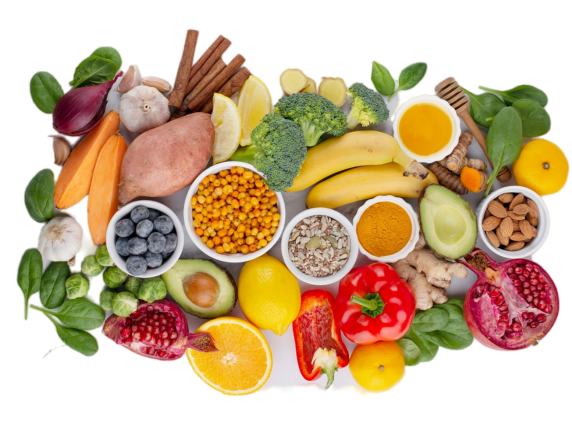
Here’s a list of the best fibre-rich foods to support digestion and reduce piles symptoms.
Apples and pears
In some cases, apples and pears are rich in both soluble and insoluble fibre, even more so when consumed with their skins. They aid in smooth digestion whilst also preventing constipation, an important factor responsible for piles.
Banana
Bananas are very soothing to the stomach and help in smooth bowel movements. They consider the restoration of good bacteria in the gut, hence enhancing digestion in total.
Papaya
This fruit holds natural enzymes that help keep the bowel regular and also help in softening of stools. It is easily digestible; low in acid, therefore ideal for anyone with sensitive digestive issues.
Leafy greens like spinach
Spinach is packed with fibre, iron, and magnesium. It keeps the digestive system moving and supports colon health by easing stool passage.
Cruciferous veggies like broccoli
Broccoli is loaded with fibre and also contains sulphur compounds that support gut health. Steam or lightly cook it to make digestion easier.
Root vegetables: carrots and sweet potatoes
High in both soluble and insoluble fibre, root veggies add bulk to stool and keep you full longer. They’re also rich in vitamins that help repair the gut lining.
Legumes: lentils, chickpeas, and beans
Legumes are fibre powerhouses. A single serving can meet a large portion of your daily fibre needs. Include them in soups, salads, or everyday meals.
Whole grains: oats, quinoa, brown rice
Unlike refined grains, whole grains retain their fibre and nutrients. Oats also contain beta-glucan, which supports gut immunity and smooth digestion.
Nuts and seeds: almonds, chia, flaxseeds
These are not only rich in fibre but also in healthy fats. Chia and flaxseeds, when soaked, form a gel-like consistency that further eases bowel movement.
Beans and pulses
Rajma (kidney beans), moong dal, and other pulses are great for your gut. Their fibre content helps regulate stool consistency and frequency.
Don’t forget water
Doctor added, “Water plays a crucial role in helping fibre do its job. Without enough hydration, fibre can actually lead to bloating and worsen constipation.” Aim to drink at least 8–10 glasses of water a day to support the bulking and softening effects of fibre.
Increasing the amount of fiber in your meals is an easy, organic, and very successful way to deal with piles. To support improved gut health and long-lasting relief from piles, combine these foods high in fiber with mindful diet, frequent exercise, and adequate hydration.