






 Finance
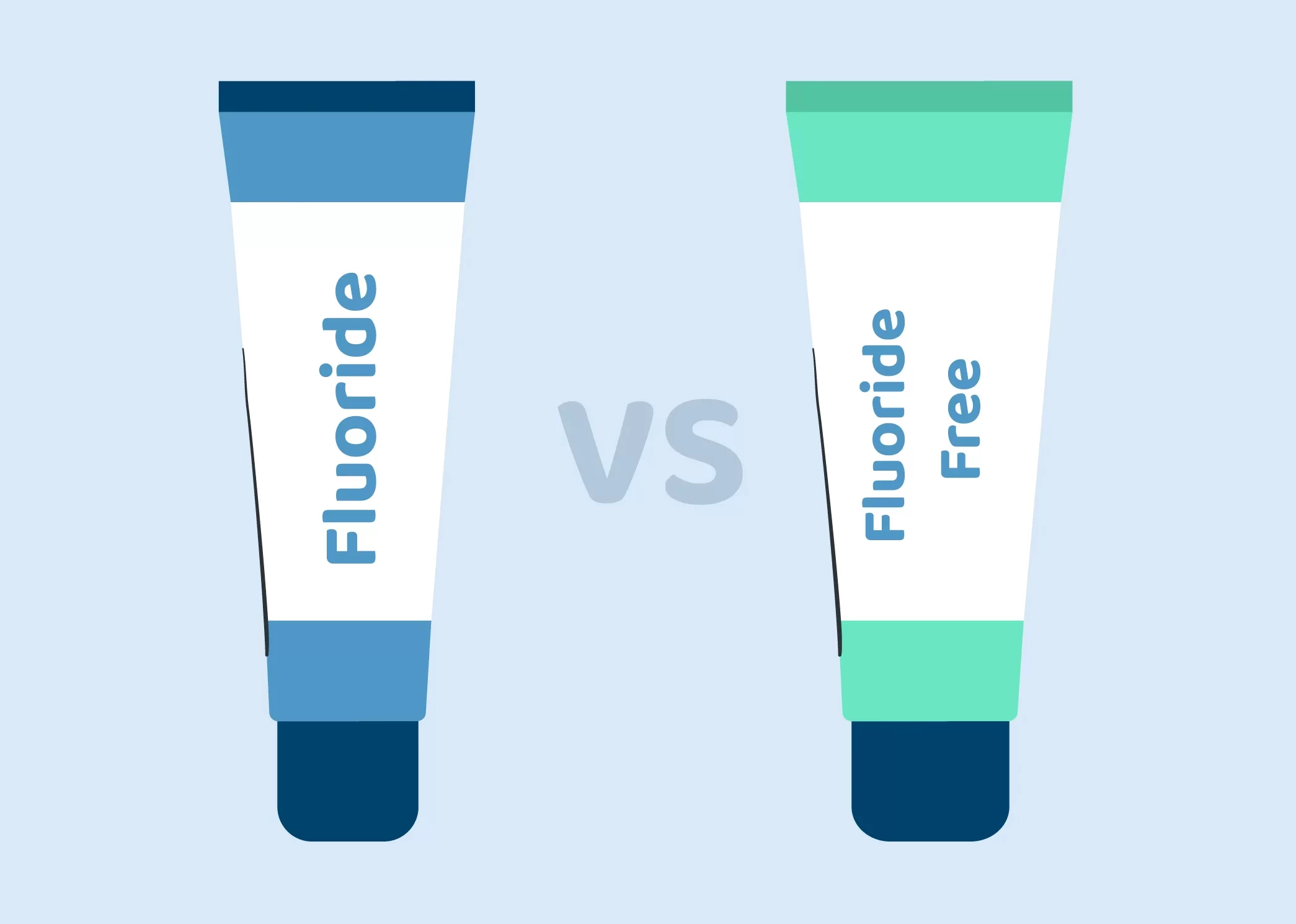
Fluoride has been the cornerstone of contemporary dental care for many years. It is added to everything from toothpaste to drinking water and is advised by dentists.
However, as more and more fluoride-free toothpaste brands have become available, consumers are beginning to question whether fluoride is actually necessary or merely another chemical that we have been taught to rely on.
WHY FLUORIDE STILL HAS STRONG BACKING
With good reason, fluoride has long been regarded as a potent cavity-prevention agent. By remineralizing dental enamel, it increases its resistance to bacterial and food acid assaults.
No other common toothpaste ingredient has been shown to be as effective as it is at reversing early signs of decay.
“Fluoride has remineralising capabilities, and it inhibits the bacterial enzyme enolase, which affects and reduces bacterial activity,” says Dr. Aditi Dhaundiyal, a practising dentist based in Delhi-NCR. In other words, it strengthens the teeth and reduces the activity of decay-causing bacteria.
Germany-based dental surgeon Dr. Bibhakar Ranjan agrees, calling fluoride “a proven agent that helps rebuild lost enamel and makes teeth more resistant to acid attacks.” He explains that fluoride forms a protective fluoroapatite layer, “which can even reverse early stages of decay.”
Many dentists still consider fluoride irreplaceable, especially for those who are more prone to cavities. Used in the correct amount, it’s also considered completely safe.
“Fluoride is as safe as having a multivitamin tablet,” Doctor adds.
The dangers associated with systemic fluoride (found in over-fluoridated water) are higher than those associated with topical fluoride, such as those found in toothpaste. Although prolonged exposure to extremely high levels can cause diseases like dental fluorosis, routine brushing with fluoride levels that are within safe bounds (about 550 ppm for children and 1000–1500 ppm for adults) is perfectly acceptable.
THE CASE FOR GOING FLUORIDE-FREE
Despite the established advantages of fluoride, more and more people are choosing not to use it. Ayurvedic or herbal toothpastes that don’t include fluoride are being promoted as safer, more natural substitutes.
They are frequently loaded with plant-based compounds like neem, clove, turmeric, and cinnamon, and appeal to those who are attempting to stay away from needless chemicals.
Fluoride may not be necessary for everyone, according to oral surgeon Dr. Sonali Joshi Kashyap, who has over thirty years of experience.
“For someone who has a healthier oral cavity or a mouth, we can highly do without fluoride toothpaste, no doubt about it. As long as you’re brushing right, brushing at the right time, and brushing after meals,” she says.
In these cases, she says, lifestyle becomes the key to cavity prevention. That includes eating a low-sugar diet, avoiding frequent snacking, and maintaining regular oral hygiene.
Dr Ranjan notes that the shift towards fluoride-free options is often influenced more by online trends than science. “To be honest, nowadays, we have too many social media influencers having more than a million followers who sometimes share or promote things which are not scientifically correct, and I feel even toothpaste brands also follows what’s in the trend to boost their sales.”
He adds that while some alternatives like nano-hydroxyapatite show early promise, “fluoride remains the most well-researched and consistently effective agent against cavities. Most alternatives are not yet backed by the same level of long-term scientific validation.”
Although they are not a replacement for fluoride in individuals who are at high risk of decay, methods such as oil pulling and the use of natural substances like alum or bakul can also promote oral health.
Even Dr. Sonali, however, warns against a one-size-fits-all strategy. For instance, there is a genuine risk of fluorosis in places where the water has a lot of natural fluoride; in these situations, it is medically recommended to avoid using fluoride toothpaste.
However, she suggests a diverse strategy for the typical person with typical fluoride exposure: switch between fluoride and non-fluoride toothpastes for balance and variation.
WHAT’S THE RIGHT CHOICE?
A fluoride-free toothpaste might be a choice if you have a healthy diet, brush consistently, and have a low risk of cavities. However, dentists frequently suggest fluoride as a dependable type of prevention, as long as it’s used properly, if you’re hesitant or if you’re caring for someone who has a higher risk of cavities, such as an older person or someone who already has dental problems.
Doctor believes the fear around fluoride is often misplaced: “Fluoride in toothpaste is very safe when used as prescribed or suggested by dental professionals, just a pea-sized amount, and strictly don’t swallow it.”
He adds, “The fears around fluoride typically come from misunderstandings, misinformation (in the age of social media) or misapplication of high-dose fluoride.”
He cites a real-world example: “In 2011, Calgary city in Canada removed fluoride from water, and they noticed the children had more cavities than the neighbouring cities with water fluoridation, which forced the authorities in rethinking on their policy to reintroduce water fluoridation in Calgary.”
The bottom line? It’s more important to comprehend your personal dental health needs than to take sides. Although it’s not the only remedy, fluoride isn’t a problem either.
The ideal toothpaste is one that complements rather than contradicts your behaviors.
Ultimately, maintaining proper dental hygiene comes down to regularity. No substance can take the place of regular dental checkups, sugar restriction, and twice-daily brushing.
Your daily decisions will have a considerably greater impact than what is stated on the toothpaste tube, regardless of whether you choose fluoride or avoid it. What’s essential is being informed, not influenced.
Source: IT