






 Finance
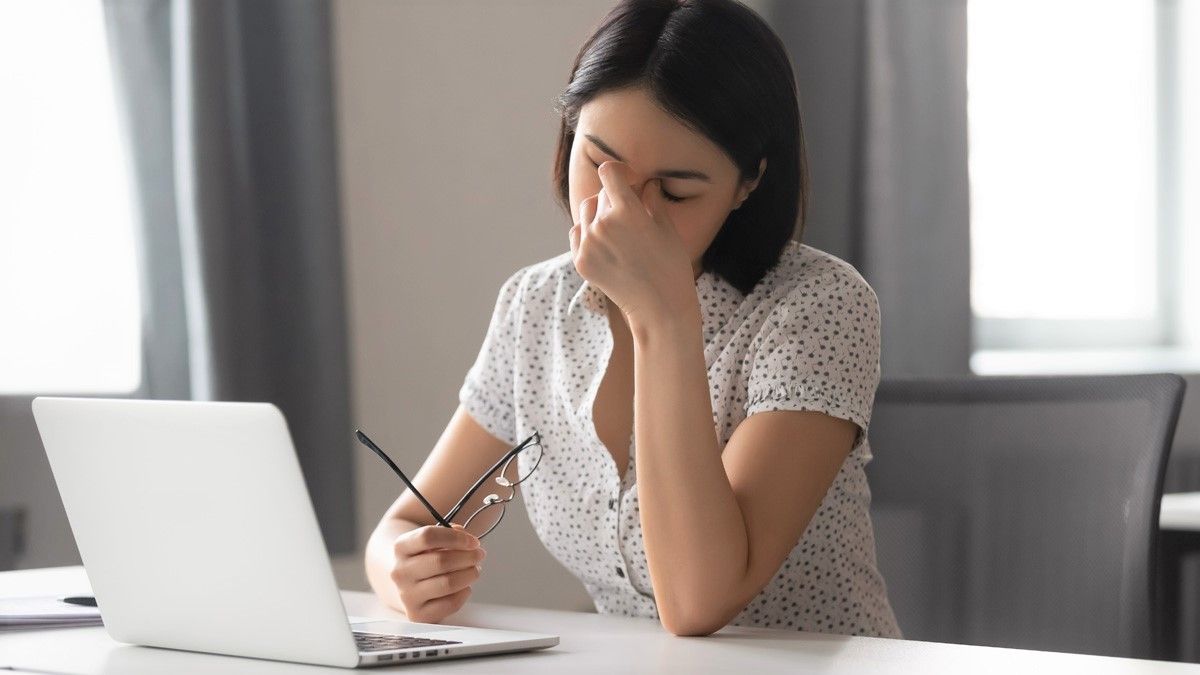
In today’s digital-first world, our eyes are always under strain from not only bright screens, but also from poor lifestyle choices. Experts warn that our regular behaviors may be slowly harming our vision.
Our eyes are sometimes referred to as the “windows to the world,” but many of us inadvertently put them under strain every day. Hours spent looking at computer monitors, mobile phones, and television screens have become inevitable, whether for work, school, or enjoyment.
Eye strain, dryness, headaches, and impaired vision are now common complaints as a result of digital overload. But the problem extends beyond screen time. Simple habits like not wearing sunglasses, scratching your eyes too much, not getting enough sleep, and eating vitamin-deficient foods all contribute to long-term eye damage.
Experts says us that prevention is simple if we become more mindful of our everyday choices.
DIGITAL EYE STRAIN IS NOW A COMMON LIFESTYLE PROBLEM
With constant exposure to screens, our eyes are forced to keep readjusting focus, which tires the eye muscles. Doctor explains:
“Digital eye strain is no longer just an office problem. Even children and teenagers are affected due to online classes and excessive screen use. Dryness, itching, headaches, and blurred vision are early warning signs.”
SUNLIGHT WITHOUT PROTECTION CAN LEAD TO SERIOUS EYE DAMAGE
Many people step outdoors without sunglasses, not realising that ultraviolet (UV) rays can harm the eyes. Long-term exposure increases the risk of cataracts, retinal damage, and even certain eye cancers. Sunglasses with UV protection are as important as sunscreen for your skin.
POOR LIFESTYLE HABITS MAKE EYES VULNERABLE
It’s not only screens and sunlight. Lack of proper sleep, dehydration, frequent rubbing of eyes, and a diet low in vitamins can slowly weaken vision. Deficiencies in nutrients like vitamin A, C, and omega-3 fatty acids reduce the eyes’ ability to repair and protect themselves.
SIMPLE RULES CAN PROTECT YOUR EYES
Small adjustments can make a big difference. One effective method is the 20-20-20 rule: after every 20 minutes of screen use, look at something 20 feet away for at least 20 seconds. Staying hydrated, wearing protective eyewear outdoors, and following a nutrient-rich diet can also safeguard eye health.
MAKE EYE CARE A DAILY PRIORITY
Although our eyes are among the most delicate organs in the body, they are subjected to great stress on a daily basis. By implementing preventative practices like as screen breaks and frequent check-ups, we can avoid both short-term irritation and long-term damage.
As Doctor emphasises, “Eye health should be part of your overall wellness routine, not something you think about only when problems appear.”
Source: IT