




 Finance
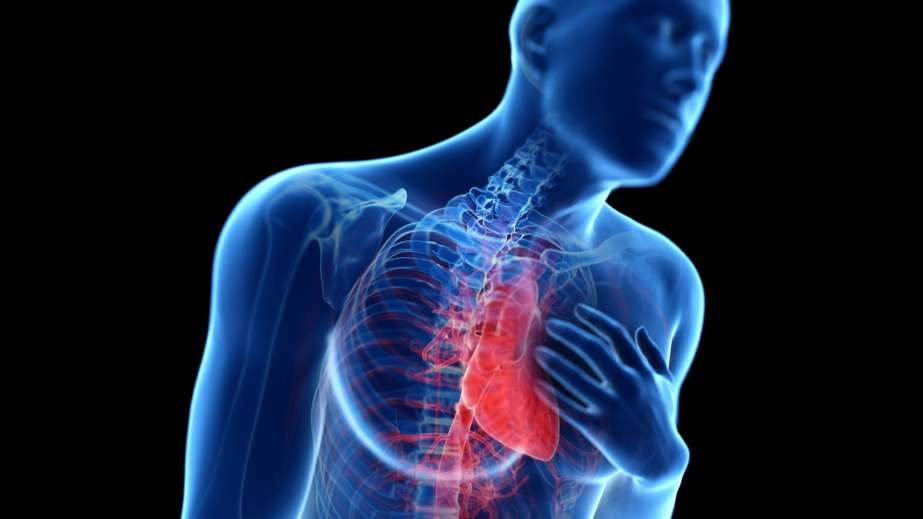
A heart attack, also known as a myocardial infarction, occurs when a coronary artery becomes blocked, preventing oxygen-rich blood from reaching your heart.
Heart attack is a medical emergency. Blocked or diminished blood flow to the heart causes damage to the heart muscle. If blood flow is not restored soon, the heart muscle will begin to die.
Signs and Symptoms of a Heart Attack
Symptoms of a heart attack can vary greatly from person to person. They’re likely to be more severe if you’re having a massive heart attack, in which a blood clot completely blocks an artery leading to your heart.
- Chest pain (angina)
- Pain or discomfort in your jaw or neck
- Pain or discomfort in your arms, shoulders, or back
- Indigestion or sense of choking
- Shortness of breath
- Sweating, especially a cold sweat
- Nausea or vomiting
- Light-headedness or dizziness
- Weakness
- Anxiety
- Rapid or irregular heartbeat
Sudden chest pain is the most common heart attack symptom, but not all people experience it. Some people have only mild symptoms that come on gradually.
Heart Attack Symptoms in Men vs. Women
While heart attack symptoms might vary greatly, men and women usually have some common characteristics.
Women are more prone to have ambiguous or atypical symptoms, such as exhaustion, sleep difficulties, anxiety, shortness of breath, or pain in their arms, back, neck, jaw, or stomach that is not accompanied with chest discomfort. Women may also feel indigestion, pressure, or discomfort in their chest rather than pain.
It is also crucial for women to be aware of potential indicators of a heart attack that do not fit into the standard symptoms list, and to seek prompt medical attention if they are worried.
Causes and Risk Factors of Heart Attacks
The majority of heart attacks are caused by coronary artery disease (CAD), in which your arteries constrict and harden as a result of the accumulation of a fatty substance known as plaque.
Plaque is a mixture of fat, cholesterol, and other compounds that can accumulate in the inner lining of your arteries. This buildup is known as atherosclerosis, or arterial hardening.
When a blood clot lodges in an artery that has already been constricted by plaque accumulation, blood flow to your heart can be entirely cut off or substantially diminished.
A coronary artery spasm, or tightening, is a less prevalent cause of heart attacks. Spasms may be caused by smoking, high blood pressure, alcohol withdrawal, recreational stimulant substances, or exposure to acute cold or stress.
- High blood pressure
- High blood cholesterol or triglycerides
- Smoking
- Being male age 45 or older
- Being female age 55 or older
- Obesity
- Diabetes
- Family history of heart disease
- Lack of physical activity
- Stress
- Use of recreational stimulant drugs (including cocaine and amphetamines)
- Autoimmune diseases (such as rheumatoid arthritis and lupus)
You can lower your heart attack risk by not smoking, staying physically active, eating a heart-healthy diet, and keeping your weight, blood pressure, and cholesterol under control.
Prevention of a Heart Attack
You can help prevent a heart attack by managing certain risk factors and making healthy lifestyle choices.