




 Finance
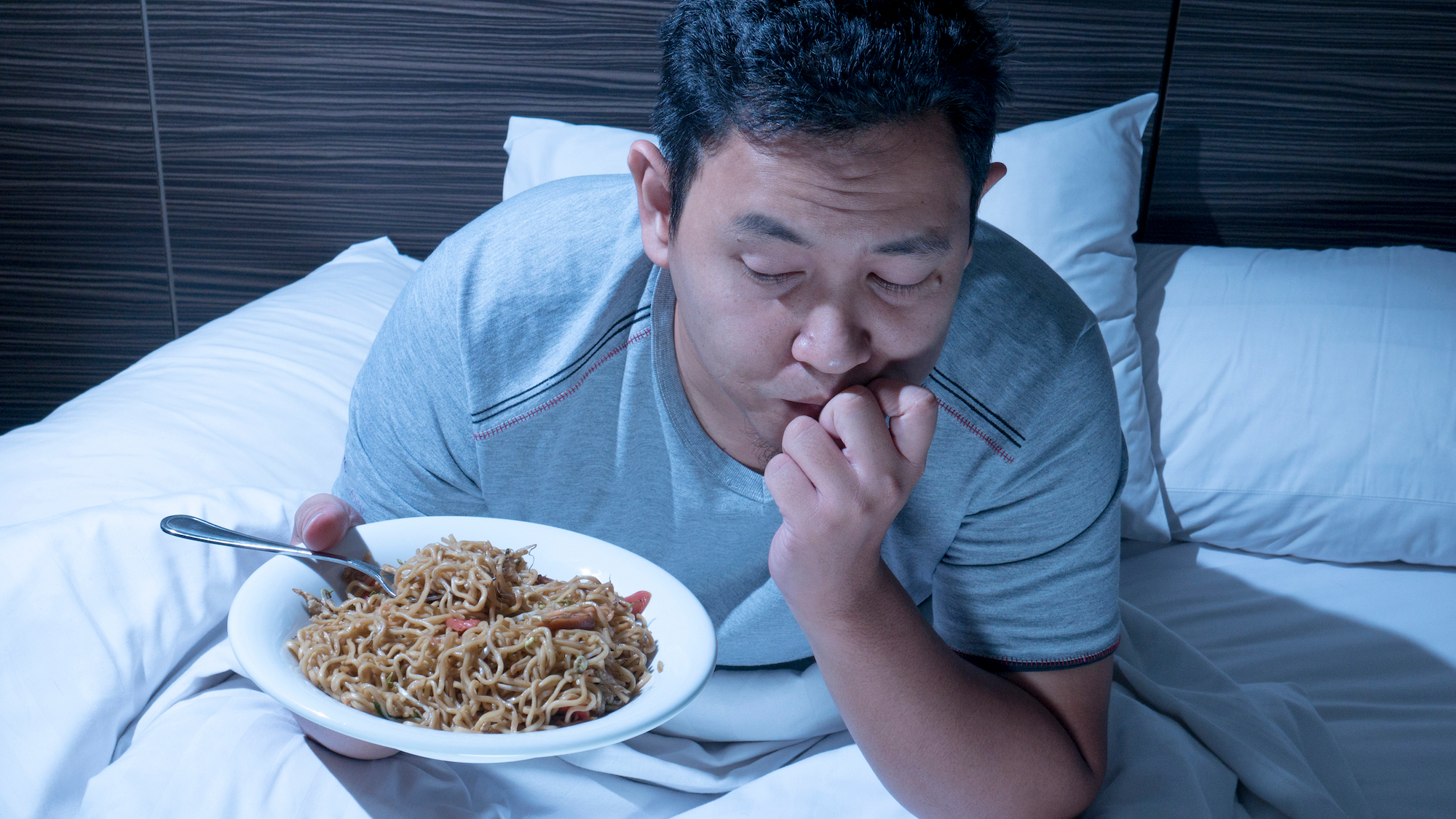
Eating healthily and properly is never as simple as it seems. It is difficult to resist midnight binge inclinations, even if most of us are able to fend off daytime appetites. Therefore, knowing how long you should finish your food before bed is crucial.
The topic has been clarified by a recent study. Eating two to three hours before bed is generally discouraged. Let’s examine the topic in more detail.
How long before bed should you finish your meal?
A recent study, published in the Nutrients journal and accessible through the U.S. National Library of Medicine, looks closer at eating at night. Surprise: the effect isn’t universal, it’s based on what you eat, when, and how you live.
Why late-evening eating got a bad reputation
Large late-night meals have been linked in the past to insulin resistance, elevated blood sugar, and obesity. People with irregular eating patterns or those who work nights are more likely to suffer from these problems. Eating a big meal and then falling asleep right away gives your body little time to digest, which leads to metabolic stress.
The new outlook: not all evening eating is evil
The research indicates that small, nutrient-dense snacks of approximately 150–200 calories can be helpful in specific contexts. For instance:
For active people: A protein snack (such as Greek yoghurt, casein, or whey) at night can enhance muscle recovery, enhance nighttime metabolism, and even enhance resting calorie expenditure.
For individuals with certain medical requirements: Those with glycogen storage disease or Type 1 diabetes can use before-bed snacks such as raw cornstarch or protein shakes to keep their blood sugar levels stable throughout the night. Check out the list of healthy evenings.
When it works like a charm
Even small evening snacks can temporarily raise insulin resistance in obese or sedentary individuals. The catch is that the negative effects are largely erased with regular activity over a few weeks, and there is also a chance that body composition and cardiovascular health will improve. We have the perfect dip if you’re searching for a nutritious evening snack.
The debate over late-night snacks is about who you are, how much you move, and what you eat, not whether you should or shouldn’t have one. Here are some important pointers:
- Skip the late-night heavy dinners.
- If a snack is necessary, make it light, protein-dense, and nutrient-dense.
- Add an active lifestyle to help maximise benefits.
- If you don’t require the excess calories, it’s also okay to simply drink water and rest.
Eating at night isn’t a one-size-fits-all affair, and this study indicates that, if done correctly, it can even be beneficial for you.
Source: InTv