




 Finance
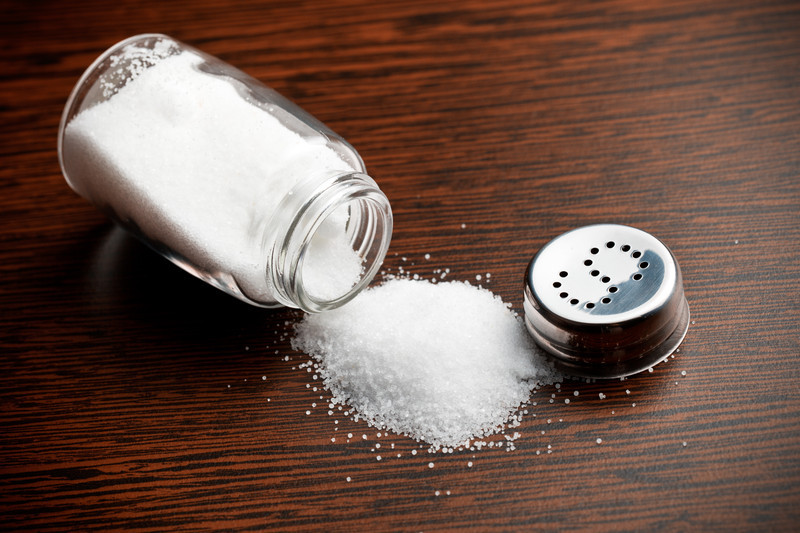
Around the world, salt is a common ingredient in kitchens. It is vital to human life, improves flavor, and preserves food. However, too much of it can negatively impact our health in silence. Health professionals have been warning us to limit our intake of salt for decades. However, what is too much? Does “too little” even exist? To find the answer to the seemingly straightforward question, “How much salt is just right?” we sort through the data.
WHAT DO MEDICAL GUIDELINES SAY?
Because salt contains roughly 40% sodium and 60% chloride, the World Health Organization (WHO) advises adults to consume no more than 5 grams of salt daily, or roughly 2 grams of sodium. Going a step further, the American Heart Association (AHA) advises consuming no more than 1,500 mg of sodium per day, particularly for those with high blood pressure.
But here’s the problem: most people around the world consume way more.
- Global average salt intake: 9–12 grams per day (almost double the WHO limit)
- India’s average: ~10.9 grams per day, according to the India Hypertension Management Initiative
- China’s average: 11–12 grams per day
- USA: ~3,400 mg sodium per day (~8.5 grams of salt)
SALT INTAKE IS INCREASING HYPERTENSION AND HEART DISEASE, SAYS ICMR STUDY
For years, stress has been cited as the leading cause of rising high blood pressure and heart disease in India, but a recent study by the Indian Council of Medical Research (ICMR) has identified a far more frequent and often neglected culprit: salt. Researchers at the ICMR’s National Institute of Epidemiology (NIE) discovered that salt consumption in India far exceeds recommended levels, directly contributing to the worrisome rise in hypertension, heart disease, stroke, and renal problems.
SO, WHAT’S THE RISK?
High salt intake has been linked to:
- High blood pressure (hypertension)
- Heart disease and stroke
- Kidney disease
- Stomach cancer
- Osteoporosis (excessive sodium increases calcium excretion)
A 2021 study published in the New England Journal of Medicine found that reducing sodium by even 1 gram per day could prevent 9 million cardiovascular deaths worldwide by 2030.
BUT, CAN TOO LITTLE SALT BE HARMFUL?
Some experts claim that extremely reduced salt intake can lead to insulin resistance, raised cholesterol, and even higher mortality in patients who already have heart issues. A 2016 research published in The Lancet discovered that both extremely high and very low sodium intake were associated with cardiovascular risk, generating a U-shaped curve. What about the sweet spot? Approximately 3-5 grams of salt per day (1.2-2 grams of sodium).
This triggered a global debate: are we being told to consume too little salt? Some scientists recommend moderation over restriction, particularly for healthy people without hypertension.
WHERE IS SALT HIDING IN YOUR DIET?
In India, 75% of salt intake comes from home-cooked meals, unlike in the West where it’s mainly from processed foods.
Hidden salt sources include:
- Pickles, papads, chutneys
- Ready-to-eat snacks and packaged foods
- Breads and biscuits
- Restaurant meals
- Salted butter and cheese
Even healthy-seeming foods like idi-sambar or dal-rice can cross the limit if salt is added generously.
DEATHS DUE TO HIGH SALT INTAKE: WHAT THE GLOBAL DATA SHOWS
Excessive salt consumption is a major dietary risk factor for premature death and disability worldwide. The Global Burden of Disease (GBD) study, the most comprehensive international health data collection initiative, has consistently identified increased sodium intake as the leading cause of cardiovascular-related mortality.
KEY DATA ON DEATHS DUE TO HIGH SALT INTAKE:
According to the GBD 2019 study published in The Lancet,over 1.89 million deaths globally in 2019 were attributed to excess sodium intake.
These deaths were primarily from:
- Stroke
- Ischaemic heart disease
- Hypertensive heart disease
- High sodium intake ranked as the seventh leading dietary risk factor contributing to deaths worldwide in 2019.
The same GBD study reported that over 45 million years of healthy life (DALYs: Disability-Adjusted Life Years) were lost due to excess sodium consumption.
India-Specific Estimate:
The India State-Level Disease Burden Study (ICMR, PHFI, IHME 2017) estimated that:
- More than 150,000 deaths annually in India could be attributed to high sodium intake, due to its role in hypertension and heart disease.
- A 2021 report by Resolve to Save Lives noted that lowering average salt intake in India by 30% could prevent 400,000 deaths by 2030.
HOW TO KNOW YOU’RE GETTING THE RIGHT AMOUNT?
Here’s a simple rule: Stick to less than 1 teaspoon (5 grams) of salt a day
- Measure how much salt you add when cooking
- Use lemon juice, herbs, and spices to boost flavour
- Cut back on processed and restaurant food
- Choose low-sodium packaged foods when available
- Be cautious with condiments (ketchup, soy sauce, chutneys)
BALANCE IS THE BEST POLICY
Salt is necessary, but it is all about the proper amount. Most individuals now eat excessively, often without realizing it. Moderation is especially important for persons who have or are at risk of developing high blood pressure. For healthy people, aiming for less than 5 grams of salt per day is a safe and evidence-based goal. However, extreme restrictions may be unnecessary unless prescribed by a doctor.
Source: IT