





 Finance
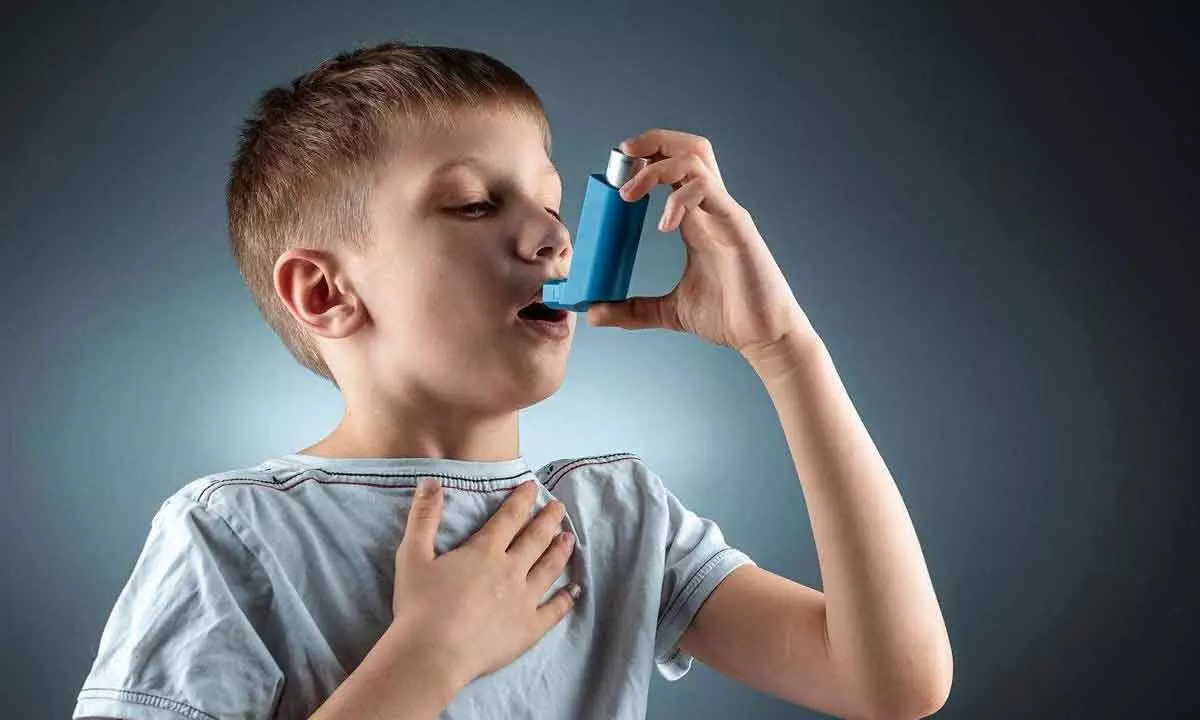
Inflammation and narrowing of the air passageways cause asthma in children. Symptoms of pediatric asthma include difficulty breathing, frequent coughing, wheezing, and chest tightness. Allergies, on the other hand, occur when the immune system reacts to things such as pollen, dust mites, or molds, which thrive in wet and humid conditions.
What causes asthma and allergies in children in the rainy season?
According to Doctor, “Despite the monsoons being generally refreshing, children do tend to become more susceptible to allergic reactions and asthma-related complications, as with the rain, the humidity level in the environment also increases. Which in turn promotes the development of mold, mildew, and other bacterial infestations.”
“General places of gathering, such as playgrounds or recreational areas, can also have several allergens present, like dust, pet fur, and even mold infestations if the space isn’t properly ventilated or maintained properly, which is usually the case. Standing water and puddles also create conditions conducive for common insects and pests, which makes the irritants and infections in the environment even higher,” the pediatrician added.
Prevention tips to follow:
Doctor further shared a few prevention tips to manage asthma and allergies in children, especially during the rainy season.
1. Monitoring symptoms and trigger identification are significant in long-term management.
2. Boosting the immune system by eating food high in vitamin C, omega-3, and antioxidants can help reduce inflammation.
3. Ensure proper ventilation in your house.
4. Regularly washing bed sheets, covers, curtains, carpets, etc, prevents the growth of dust mites and mold.
5. Air filters or dehumidifiers can be useful to manage humidity and the quality of air inside the house.
6. Drinking enough water helps thin the mucus secretions, making it easier to breathe.
7. Creating an individualised asthma care plan with the advice of a pediatrician or pulmonologist makes sure that the required medication, whether inhalers or antihistamines, is administered properly and on time.
“Controlling symptoms for these conditions requires a multidimensional model which integrates lifestyle and environmental changes with appropriate medical management,” Doctor stated.
(Disclaimer: This material is intended for informative purposes only and should not be used as a substitute for professional medical advice. Always consult your doctor if you have any queries concerning a medical issue.)