






 Finance
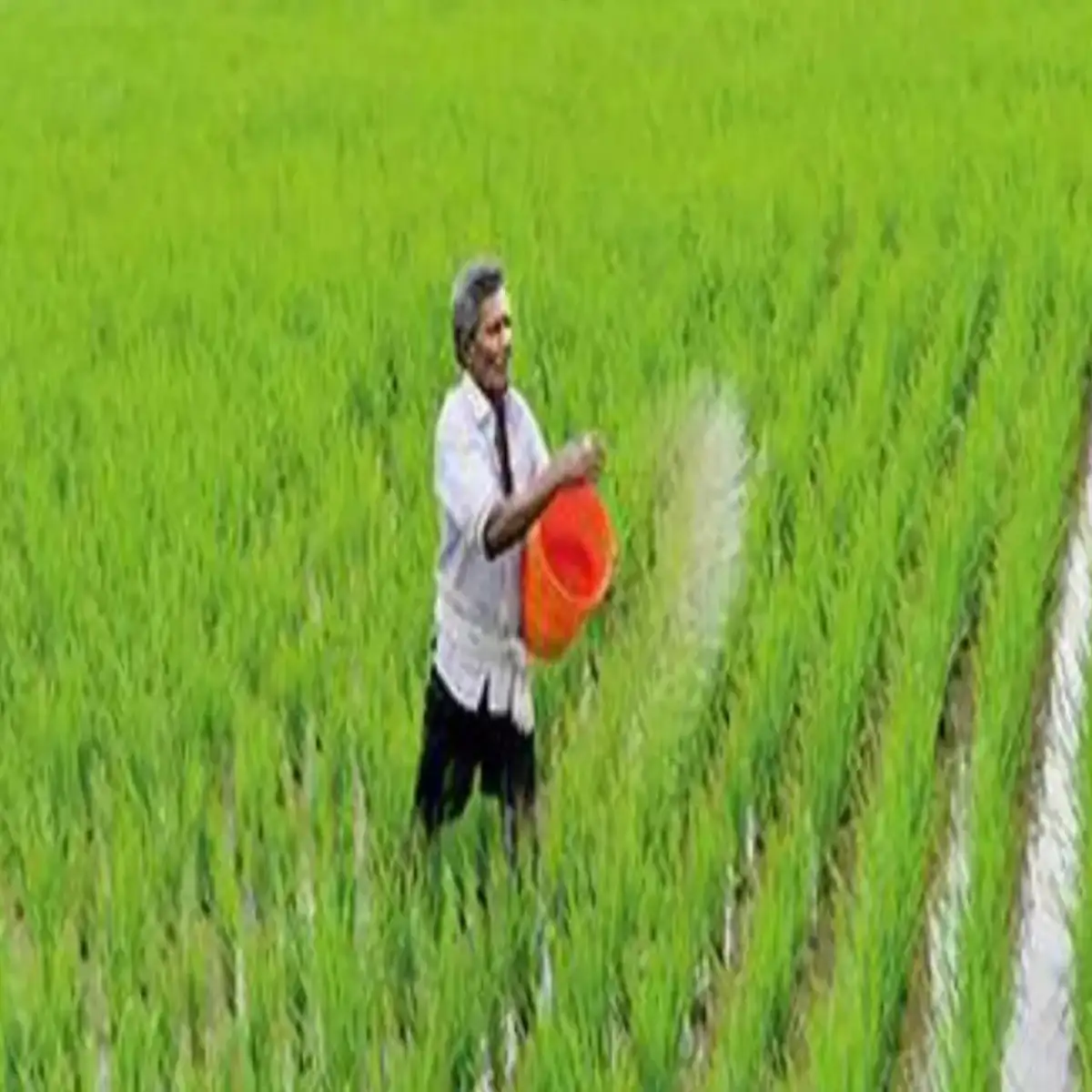
India recorded an unprecedented foodgrain output of 357.73 million metric tonnes (MMT) in the agricultural year 2024-25, up 25.43 MMT from the previous year, reflecting sustained productivity gains, improved input management, and strengthened institutional support for farmers, according to an official fact sheet released on Thursday.
The increase was mostly due to increased output of rice, wheat, maize, and coarse cereals (including Shree Anna millets).
Moreover, India’s agricultural exports have consistently increased in recent years.
Agricultural export earnings climbed from $34.5 billion in FY20 to $51.1 billion in FY25, a CAGR of 8.2%.
In FY25, agri-food exports, which included processed food products, were $49.43 billion, accounting for approximately 11.2% of overall exports.
Notably, the share of processed food exports has steadily increased, from 14.9% in FY18 to 20.4% in FY25, showing a gradual move toward higher value-added within the agricultural export basket, according to the official statement.
The country is the world’s second-largest producer of rice and wheat, with output of 150.18 million tonnes of rice and 117.94 million tonnes of wheat in the agricultural year 2024-25.
India also leads the world in pulse production, with Madhya Pradesh, Maharashtra, and Rajasthan producing the most.
The country also leads the globe in millet production, with around 18.59 million tons expected in 2024-25, primarily led by Rajasthan, Maharashtra, and Karnataka states.
Rice exports reached $12.95 billion in 2024-2025, while pulse and millet exports totaled $855 million and $59.20 million, respectively.
Furthermore, horticulture has emerged as a key driver of agricultural change and wealth creation.
Total horticulture production in 2024-25 was 362.08 million tonnes (MT), demonstrating a structural trend toward high-value crops.
According to the second advance projections, production will rise from 280.70 million tonnes in 2013-14 to 367.72 million tonnes in 2024-25.
This output includes about 114.51 million tonnes of fruits, 219.67 million tonnes of vegetables, and 33.54 million tonnes of other horticulture crops.
These data highlight the expanding international need for diverse, climate-resilient cereal crops, underscoring India’s key position in global food and nutrition security.
Source: IANS