





 Finance
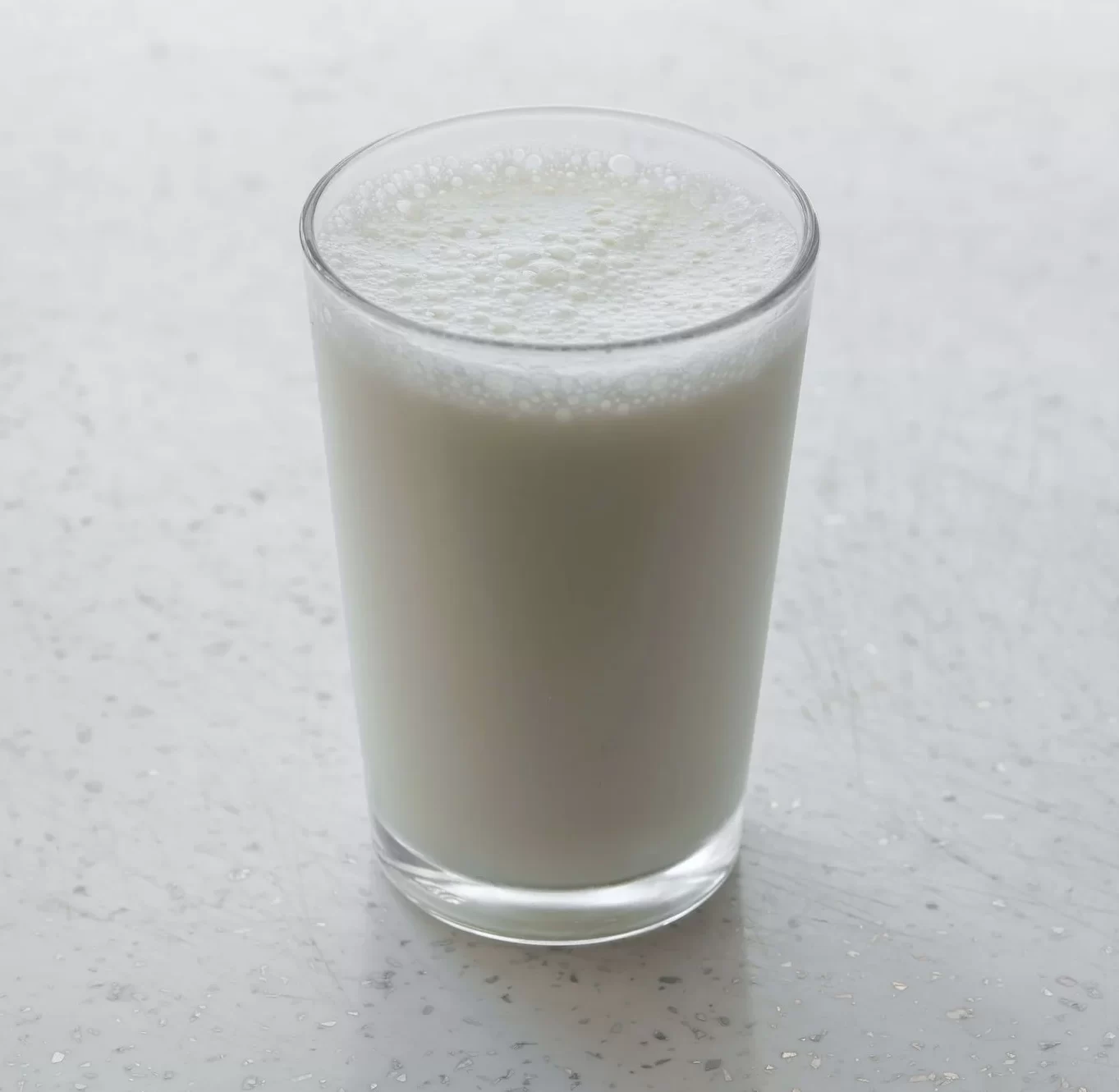
For decades, we have been told that drinking milk every day is the key to good bones. Milk is not the only item you need for strong bones, as is commonly believed. It does include calcium and vitamin D, however. As we age, our bones require more than one sort of nourishment to remain strong.
According to an Ortho Spine and Orthopaedics Consultant, calcium is an important component of bones, and vitamin D aids the body’s absorption of calcium. However, maintaining bone health requires a combination of foods, lifestyle choices, and exercise. If you exclusively drink milk, you may feel secure, but you may be losing out on other vital things.
The truth about calcium and vitamin D
Calcium is not only found in milk. Yogurt, cheese, leafy green vegetables like spinach and kale, tofu, almonds, sesame seeds, and fortified cereals are all good sources of it. Sun exposure and the consumption of foods such as eggs, fatty fish, and fortified foods are the best sources of vitamin D. If you don’t receive enough vitamin D, your body won’t be able to absorb calcium effectively, even if you drink milk every day.
The role of other nutrients
Magnesium, phosphorus, potassium, and vitamin K are all required for bone strength and nourishment. Whole grains, nuts, seeds, and green vegetables provide these essential elements. A diet rich in complete meals is better for total bone density than one focused on a single food.
Lifestyle matters too
If you are not physically active, your diet will not protect your bones. Weight-bearing exercises including walking, jogging, dancing, and resistance training promote bone production while slowing bone loss. Smoking and alcohol intake have an impact on bone health as well.
Age and hormonal factors
Hormonal changes associated with aging, particularly after menopause, might cause bones to lose strength faster. Women over 40 should do more than simply drink milk. They should consume a well-balanced diet, exercise regularly, and see a doctor to assess their bone density.
Milk is beneficial, but it is not a cure-all for strong bones. To have strong bones, you must consume a variety of healthy foods, exercise often, and maintain excellent habits. Milk can be part of a healthy bone-building diet, but it should not be your primary source of nutrition. Not just a glass of milk will strengthen your bones. You must live a strong life.
(Disclaimer: The article’s advice and recommendations are meant primarily as general information and should not be interpreted as expert medical advice. Before beginning any exercise program or making any dietary changes, always get advice from your doctor or a dietitian.)