





 Finance
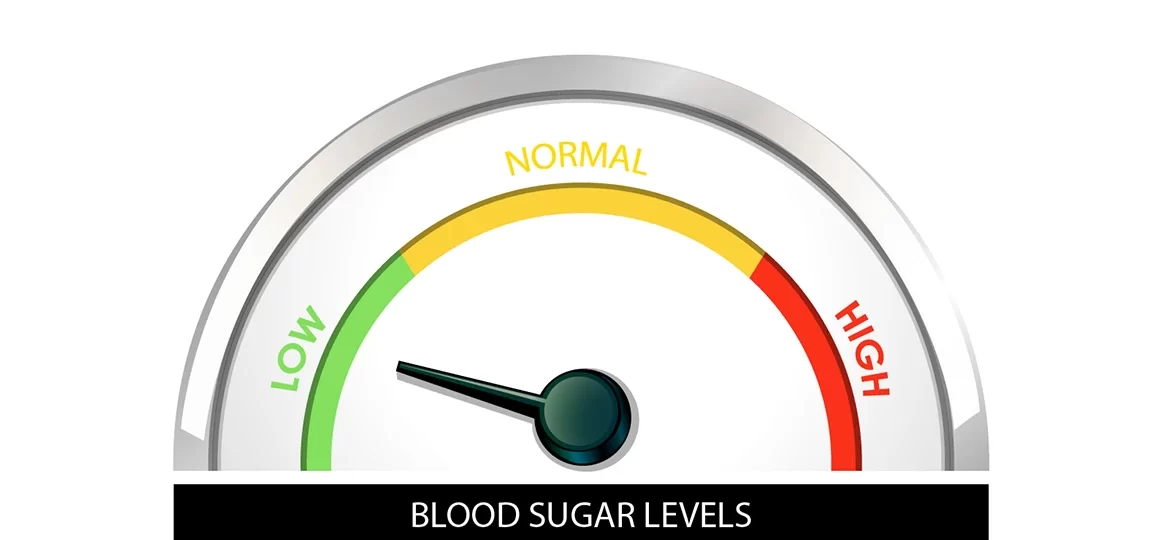
The most prevalent association with diabetes treatment is low blood sugar, sometimes known as hypoglycemia. However, few people are aware that it can also affect persons who do not have diabetes, posing similar major health risks. Glucose is the brain’s primary fuel source, and when levels fall too low, shakiness, dizziness, perspiration, and a fast heartbeat can occur quickly.
In severe circumstances, untreated hypoglycemia can be fatal. The causes must be understood. Let us see:
Causes of Low blood sugar without diabetes
Knowing hypoglycaemia in non-diabetes
Hypoglycaemia in people who do not have diabetes is far less prevalent but cannot be ruled out, according to Dr Sandeep Kharb, Senior Consultant, Endocrinology, Asian Hospital. It can be caused by lifestyle factors, underlying disease, or, in some cases, tumours that interfere with normal hormone function.
Insulin, made by the pancreas, is responsible for maintaining blood sugar levels stable. But when equilibrium is disturbed, blood sugar suddenly falls even in non-diabetic individuals. Want to understand more about diabetes? We have all the information.
Low blood sugar without diabetes: common causes
Medications
Unexpected consumption of diabetes drugs prescribed to another person, or some other medication, can cause hypoglycaemia. For instance, quinine (taken for malaria) is a known agent that reduces blood sugar. Children and patients with kidney failure are particularly susceptible.
Excessive drinking
Alcohol taken on an empty stomach can inhibit the liver from releasing glucose stored in glycogen stores, leading to perilously low blood sugar.
Serious illnesses
Major illnesses such as advanced liver disease (cirrhosis, hepatitis), kidney failure, severe infection, or heart disease may impair glucose regulation. Failure of the kidneys to function properly may also block effective drug clearance, resulting in sudden falls in sugar levels.
Starpation and eating disorders
Extended fasting, starvation, or eating disorders such as anorexia nervosa may exhaust stores of glycogen and induce recurring hypoglycaemia.
Overproduction of insulin
A very uncommon tumour of the pancreas, an insulinoma, may make the body overproduce insulin and reduce blood sugar significantly. In other cases, other tumours produce substances that have the same effect as insulin.
Hormone deficiencies
Diseases of the adrenal or pituitary glands can lead to reduced secretion of hormones involved in glucose metabolism. For example, growth hormone deficiency in children can lead to repeated attacks of hypoglycaemia.
Although hypoglycemia is intimately related to diabetes, it is important to note that the non-diabetic patient is not immune. If you have sudden spells of dizziness, sweating, or confusion without a clear reason, get medical attention. Early detection of the reason, whether lifestyle, drug-induced, or due to a medical condition, can help to avoid consequences and restore normal blood sugar levels.
(Disclaimer: The article’s advice and recommendations are meant primarily as general information and should not be interpreted as expert medical advice. Before beginning any exercise program or making any dietary changes, always get advice from your doctor or a dietitian.)