






 Finance

Winter is approaching, and because one does not sweat as much, feels less thirsty, and moves less while snuggled beneath the blankets, water consumption naturally decreases. This reduces hydration without you even knowing it! To combat exhaustion, dryness, and sluggishness induced by dehydration, mix healthy, hydrating drinks with your water to keep your energy, immunity, and general health on track. A professional nutritionist and integrative health coach explain popular drinks made with Indian herbs and spices to help you remain hydrated throughout the colder months.
She highlighted the need for power-packed nutrition because the winter season also includes high pollution.
“The connection between hydration and respiratory health becomes even more crucial as pollution peaks. The high AQI levels in most Indian cities are leaving many with congestion, itchy throats, and a heavy feeling in the chest. While no drink can really ‘detox’ your lungs, certain beverages and warm fluids can certainly help,” she said.
This demonstrates that, while beverages cannot magically cleanse the lungs, they can relieve irritation and congestion, allowing people to breathe more comfortably. Choosing to hydrate with nutrient-dense liquids also provides other benefits such as improved immunity and digestion, all of which are critical when pollution stresses the entire system.
She listed out 7 drinks, revealing in depth why they are beneficial and how you can make them at home easily:
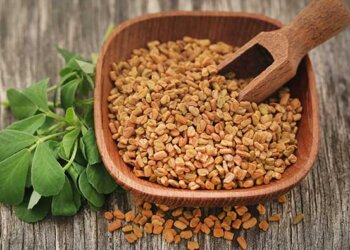
1. Fenugreek (methi) seed water
- Benefits: The natural compounds in methi seeds help thin excess mucus, easing congestion while promoting respiratory comfort. It is also rich in soluble fibre that helps retain moisture in the gut and supports smoother digestion.
- How to make: Soak 1 teaspoon of methi seeds overnight in a glass of water and consume the water with the seeds.
2. Licorice (Mulethi) Tea
- Benefits: Mulethi is a natural demulcent and helps soothe the throat lining, coughs, or irritation caused by pollution. Glycyrrhizin, an active compound in liquorice, may also have anti-inflammatory effects.
- How to make: Simmer small pieces of mulethi stick for 5–7 minutes and sip warm.
3. Amla turmeric shot
- Benefits: A refreshing morning tonic that supports liver function, immunity, and hydration. Amla brings vitamin C and antioxidants, while turmeric’s curcumin helps manage inflammation caused by pollution or seasonal allergies.
- How to make: Mix 1 tablespoon of fresh amla juice with a pinch of good-quality turmeric and a dash of black pepper in half a glass of lukewarm water.
4. Tulsi Cinnamon Infusion
- Benefits: Tulsi contains eugenol and rosmarinic acid, which support respiratory health and reduce inflammation, while cinnamon’s cinnamaldehyde helps improve blood sugar control.
- How to make: Simmer a few fresh tulsi leaves with a small cinnamon stick in water for 5–7 minutes, strain, and sip warm.
5. Lemon Ginger Water
- Benefits: Lemon provides vitamin C that supports immunity and respiratory health, while ginger has anti-inflammatory and mucolytic properties that help ease congestion.
- How to make: Add a teaspoon of fresh lemon juice, a teaspoon of freshly squeezed ginger juice and a pinch of rock salt to warm water. Rock salt replenishes electrolytes.
6. Cumin Coriander Fennel Tea
- Benefits: Supports digestion and fluid balance, helping prevent bloating and acidity. It helps soothe the gut and relieve heaviness after meals.
- How to make: Boil ½ teaspoon each of cumin, coriander, and fennel seeds in 500 ml of water for 5–7 minutes, strain, and sip warm during the morning hours.
7. Electrolyte drinks
- Benefit: Try having electrolyte drinks as part of your routine. Effervescent formats are absorbed more quickly, so drop a tablet into a glass of water and drink it.
- It’s important to replenish the five essential electrolytes, and plain water alone isn’t always enough to keep you properly hydrated.
However, the nutritionist urged you to examine your personal health status, current medications, and medical conditions before beginning any new treatment. While they are generally healthy for most individuals, she advised pregnant women to see a health professional before including any drink into their diet.
(Disclaimer: The article’s advice and recommendations are meant primarily as general information and should not be interpreted as expert medical advice. Before beginning any exercise program or making any dietary changes, always get advice from your doctor or a dietitian.)
Source: HT