





 Finance
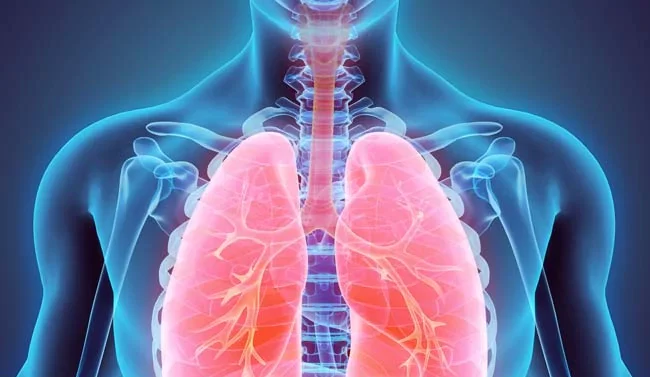
Our lungs quietly operate around the clock to keep us alive and energized. On World Lung Day, learn that protecting your lungs is more than simply avoiding smoke and pollution; what you eat can also have a significant impact. Dietitians believe that certain seeds are more than simply small nutritional powerhouses. They may also improve lung health in unexpected ways. Chia, hemp, flax, and other seeds are high in omega-3 fatty acids, antioxidants, and anti-inflammatory substances, which can help lower airway inflammation, fight infections, and even protect the lungs from harm. Seeds are important for your general health, but they can also help your lung health. therefore add them into your daily diet can be a good decision towards following a healthy lifestyle.
Best seeds for lung health
Here are 7 healthy seeds that can help improve lung function and keep problems at bay:
1. Chia seeds
Chia seeds are a rich source of fibre, omega-3 fatty acids, and antioxidants. A study published in the Pharmaceuticals journal even suggested their potential in fighting lung cancer. These tiny seeds can keep your respiratory system clean and healthy by reducing oxidative stress and supporting smooth breathing.
How to consume: Dietitian tells Health Shots that soaking chia seeds in water before use make them easier to digest. You can add them to smoothies, overnight oats, or mix into yoghurt for a refreshing, lung-friendly boost.
2. Hemp seeds
Hemp seeds are loaded with omega-3 fatty acids and gamma-linolenic acid, both known to calm airway inflammation. A study published in Food Chemistry Advances also found hemp seed oil beneficial in preventing lung infections, including fungal ones. This makes them an excellent addition to a lung-strengthening diet.
How to consume: Sprinkle hemp seeds over salads, blend into protein shakes, or add them to soups. Vidhi Chawla notes they blend easily into meals without altering the flavour much.
3. Flaxseeds
Flaxseeds are a powerhouse of omega-3 fats and lignans. Research in Cancer Prevention Research showed flaxseeds lowered lung tumor incidence in mice by 78%. Their anti-inflammatory effects help maintain open, healthy airways and reduce risks linked to chronic lung conditions. In fact, it can also lower the risk of lung-related inflammation.
How to consume: Grind flaxseeds before eating for better absorption. Add them to roti dough, baked goods, or simply stir into warm water. Vidhi highlights that roasted flaxseed powder can be sprinkled on vegetables or dals for a nutty twist.
4. Basil seeds
“Known for their ALA content and antioxidant power, basil seeds may reduce lung inflammation and fight harmful bacteria,” says Vidhi. A study published in Bulletin of Pharmaceutical Research found basil seed compounds effective against bacteria like Pseudomonas aeruginosa, which can cause pneumonia.
How to consume: Soak basil seeds in water until they swell and add them to lemon water, milk, or smoothies. They are especially refreshing during hot weather.
5. Sunflower seeds
Rich in protein, healthy fats, and antioxidants, sunflower seeds may protect against bronchial and pulmonary infections. A review published in Nuts and Seeds in Health and Disease Prevention found sunflower extracts effective against multiple respiratory conditions. Their chlorogenic acid may also slow lung tumor growth.
How to consume: Enjoy them roasted as a snack, mix them into trail mix, or sprinkle over stir-fried veggies and cereals.
6. Pumpkin seeds
Pumpkin seeds are abundant in carotenoids like beta-carotene, lutein, and zeaxanthin, known for their antioxidant and anti-inflammatory power. A study published in Molecules and Scientific Reports showed pumpkin seed oil reduced oxidative lung damage and inflammation in animal studies.
How to consume: Roast pumpkin seeds lightly with salt, add to soups or salads, or blend into dips. According to Vidhi, pumpkin seed butter is another tasty option for breakfast spreads.
7. Sesame seeds
Sesame seeds provide magnesium, which helps relax airway muscles, and antioxidants that protect lung cells from oxidative stress. Regular intake may strengthen the bronchial system and reduce spasms, supporting easier breathing.
How to consume: Sprinkle sesame seeds on stir-fries, or blend into tahini paste for dips and dressings.
(Disclaimer: The article’s advice and recommendations are meant primarily as general information and should not be interpreted as expert medical advice. Before beginning any exercise program or making any dietary changes, always get advice from your doctor or a dietitian.)