






 Finance
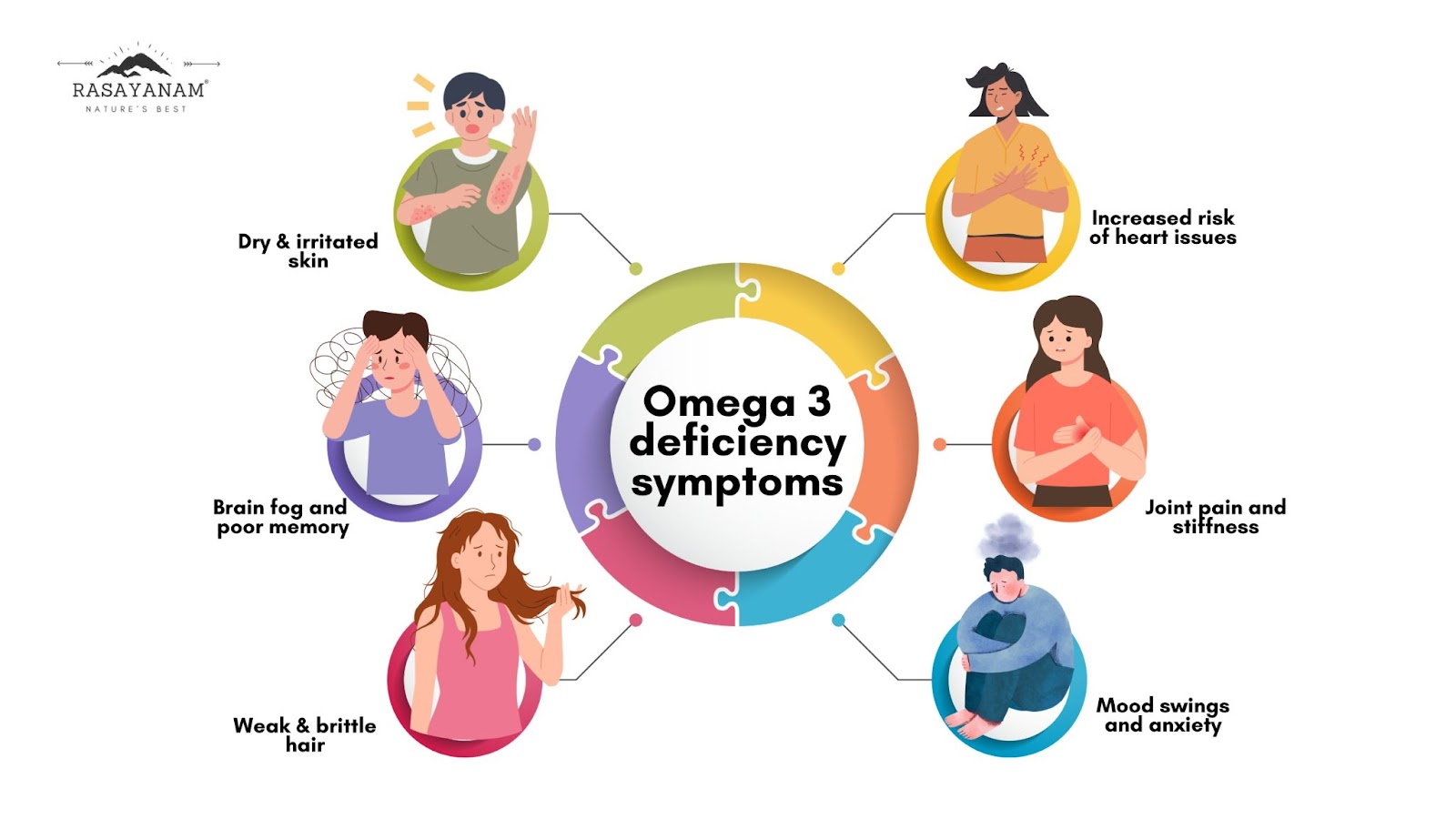
Omega-3 fatty acids are frequently discussed in terms of heart health, but their impact extends much beyond that. These important fats play critical roles in cell communication, inflammation regulation, and the proper functioning of our brain, joints, skin, and hormones.
Because the body cannot create Omega-3 on its own, a shortfall can gradually build over time, frequently manifesting as subtle but persistent symptoms.
Joint stiffness and body aches
According to Functional Nutritionist, one of the first indicators of Omega-3 insufficiency is joint stiffness and bodily aches, particularly in the morning or during the colder months. Omega-3s aid to control inflammation. When levels are slightly low, the body tends to remain minimally inflamed, which can make joints feel tight, uncomfortable, or less flexible even in the absence of vigorous physical activity.
Dry, dull skin and brittle hair
Another typical yet neglected symptom is dry, dull skin and fragile hair. Omega-3s help to preserve the skin’s natural barrier and moisture. Low levels can cause increased sensitivity, hair that seems lifeless or breaks easily, and outbreaks of acne or eczema. Nails may also become extremely fragile and prone to fracturing.
Poor concentration or low mood
Frequent brain fog, poor concentration, or low mood can all be signs of an Omega-3 deficiency. DHA, an essential Omega-3 lipid, is an important structural component of the brain. When levels are insufficient, people frequently experience symptoms such as mental tiredness, difficulty concentration, irritation, or emotional lows. A lot of studies have also linked Omega-3 deficiency to maximised risk of anxiety, along with depressive symptoms.
Persistent fatigue
Poor recovery and chronic weariness are another warning indication that many individuals ignore. Omega-3s aid in muscle restoration and cell recovery. If your workouts feel much harder than usual, your soreness lasts longer, or your energy levels remain low despite getting enough sleep, it could be an indication that your cells are lacking the lipids they need to heal properly.
Digestive issues
Low Omega-3 levels can also cause digestive difficulties, such as inflammation-related gut discomfort. These fats help to keep the intestinal lining intact and reduce inflammation. A deficit can worsen bloating, pain, or food sensitivity.
Lower immunity
Finally, repeated infections or weakened immunity can serve as indicators. Omega-3 fatty acids serve to regulate immunological responses, ensuring that the body reacts properly without overreacting. Low levels may also cause you to feel tired or become ill more frequently.
Modern diets high in processed foods and refined seed oils are generally high in Omega-6 fats and low in Omega-3 fats, resulting in an imbalance that exacerbates inflammation. Fatty fish, eggs, and high-quality marine supplements are effective ways to restore balance, particularly for people who do not eat fish on a regular basis.
The body is in constant communication. Paying attention to these warning indicators early allows you to address shortcomings before they become persistent problems. Omega-3 is not a passing fad; it is a necessary nutrition. When levels are restored, people frequently report smoother skin, higher mood, greater mobility, and a calmer, more robust body overall.
(Disclaimer: The article’s advice and recommendations are meant primarily as general information and should not be interpreted as expert medical advice. Before beginning any exercise program or making any dietary changes, always get advice from your doctor or a dietitian.)